
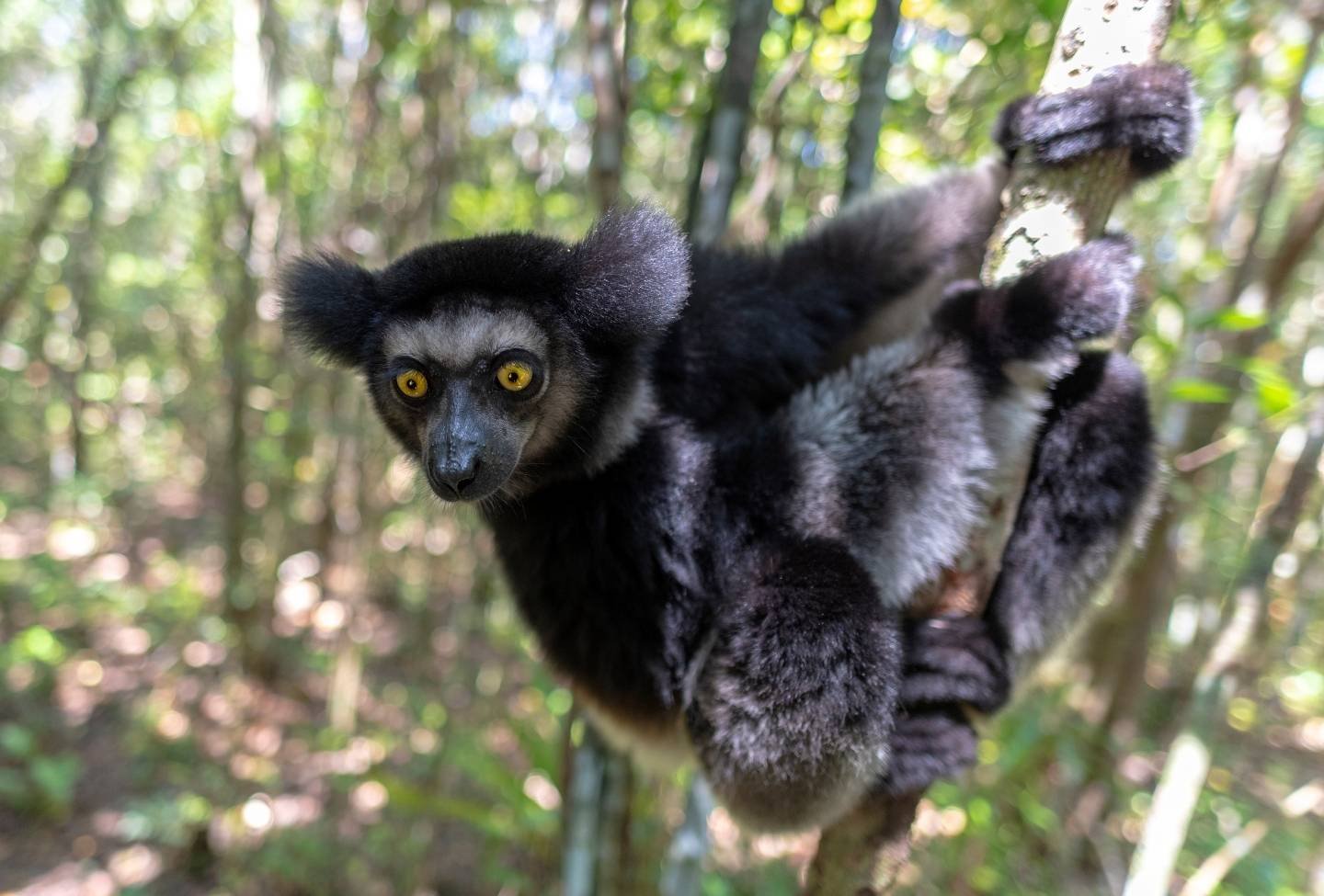
Babakoto – Madagascar
Where to See Lemurs in Madagascar: Top Spots & Expert Tips (2026)
These endemic primates—true symbols of the Red Island—fascinate travelers worldwide thanks to their diversity and unique behaviors. But where can you see them in the best conditions? Which parks should you prioritize? What season should you choose? This complete guide shares everything you need to plan an unforgettable encounter with these ambassadors of Malagasy biodiversity.
Why Madagascar is the best place in the world to see lemurs
Seeing lemurs in Madagascar is a wildlife experience like no other. Nowhere else can you observe these primates in their natural habitat—deep inside tropical rainforest, community-managed reserves, or carefully protected national parks. For nature lovers, wildlife photographers, and families looking for adventure, Madagascar offers full immersion in a fragile, spectacular ecosystem.
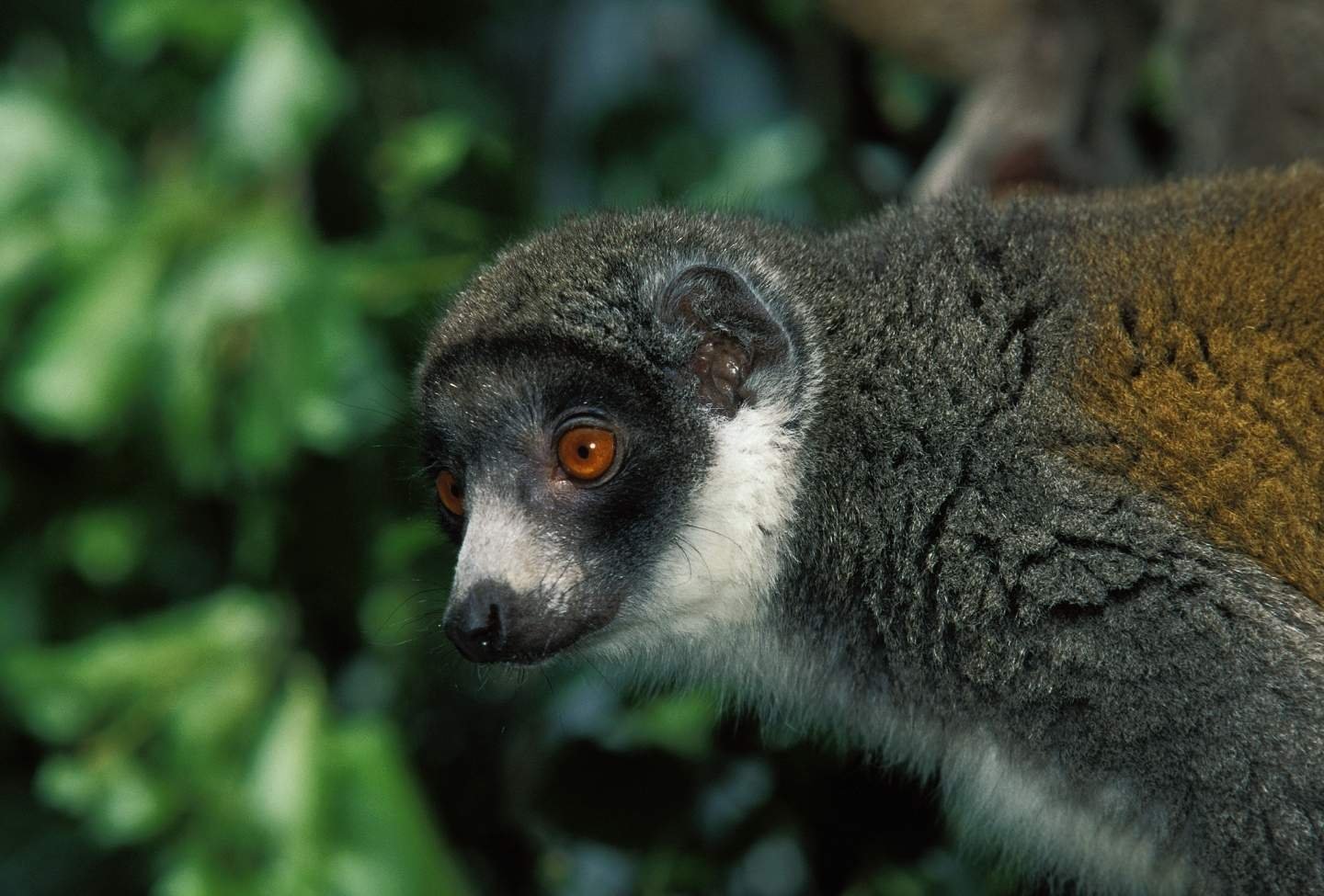
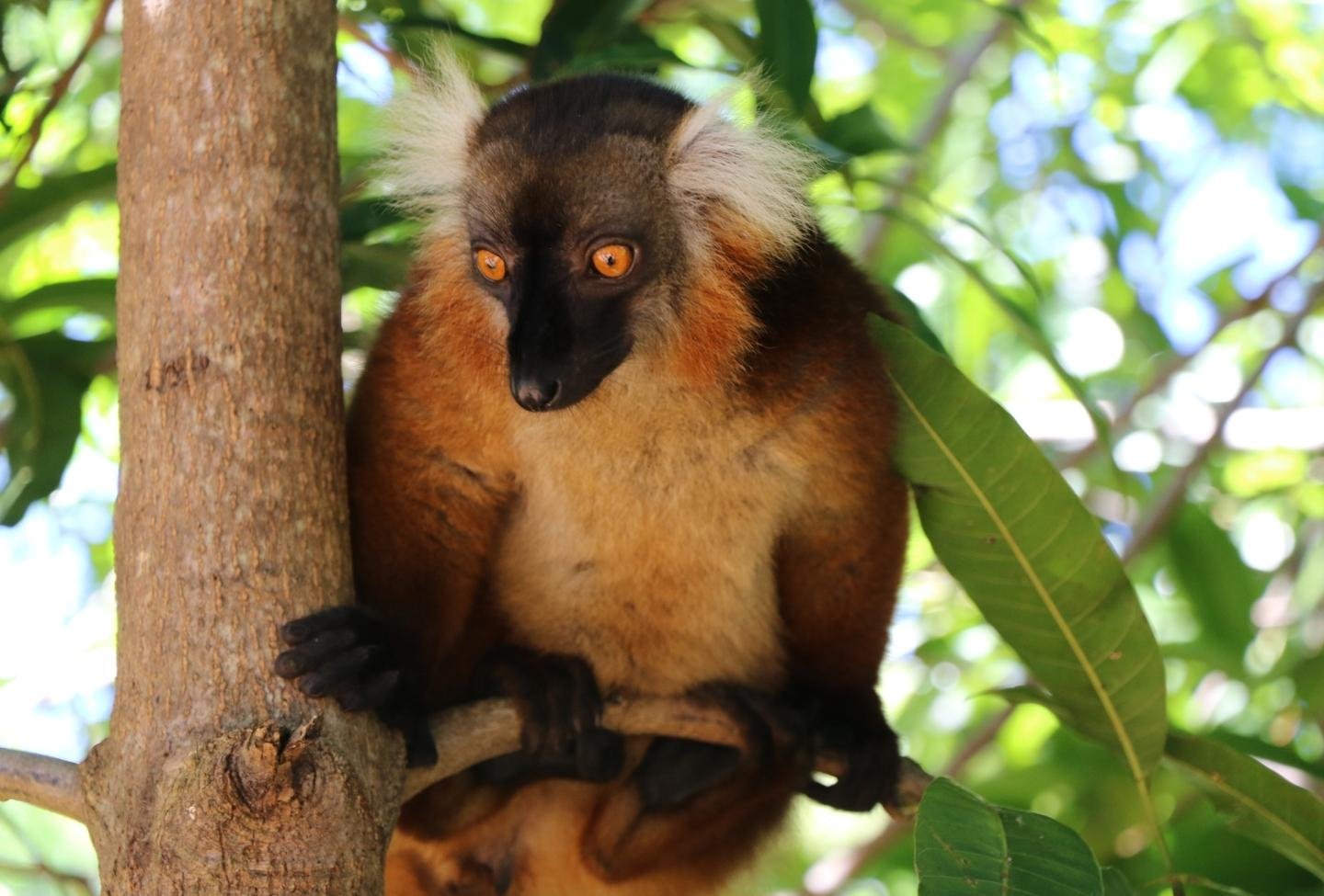
Nosy Mangabe
A biodiversity found nowhere else
Madagascar’s long geographic isolation has shaped a natural “evolution laboratory,” resulting in extraordinary endemism—often cited at around 90% for the island’s flora and fauna. Lemurs perfectly embody this uniqueness: they evolved without competition from other primates, leading to an exceptional diversity of shapes, sizes, and behaviors. Across Madagascar—from the humid eastern rainforests to the dry forests of the west—each ecosystem shelters its own species, adapted to local conditions.
Over 100 lemur species: from the tiniest to the rarest
Today, Madagascar is home to over 100 recorded lemur species, ranging from the tiny mouse lemur (around 30 grams) to the majestic indri, which can reach about 9.5 kg. This diversity is remarkable: diurnal or nocturnal, arboreal or more ground-dwelling, solitary or social—each species has its own traits. Some, like the legendary aye-aye with its elongated finger used to extract larvae, or the iconic ring-tailed lemur with its striped tail, have become global icons. Sadly, many species are threatened, making every responsible sighting even more valuable.
Wildlife viewing in the wild: a truly authentic experience
Unlike zoos or captive centers, seeing lemurs in Madagascar means meeting them where they belong. You may watch them leap through the canopy, hear the indri’s powerful calls echo across the forest, or spot a group of ring-tailed lemurs warming themselves in the morning sun. This authenticity creates a strong emotional connection—and naturally raises awareness about conservation. Lemur watching also supports local livelihoods and helps fund protection efforts.
The Best Places to See Lemurs in Madagascar
Madagascar is packed with outstanding sites for lemur watching. Here is a curated selection of must-visit parks and reserves—each offering different species and a distinct experience.
Andasibe-Mantadia National Park
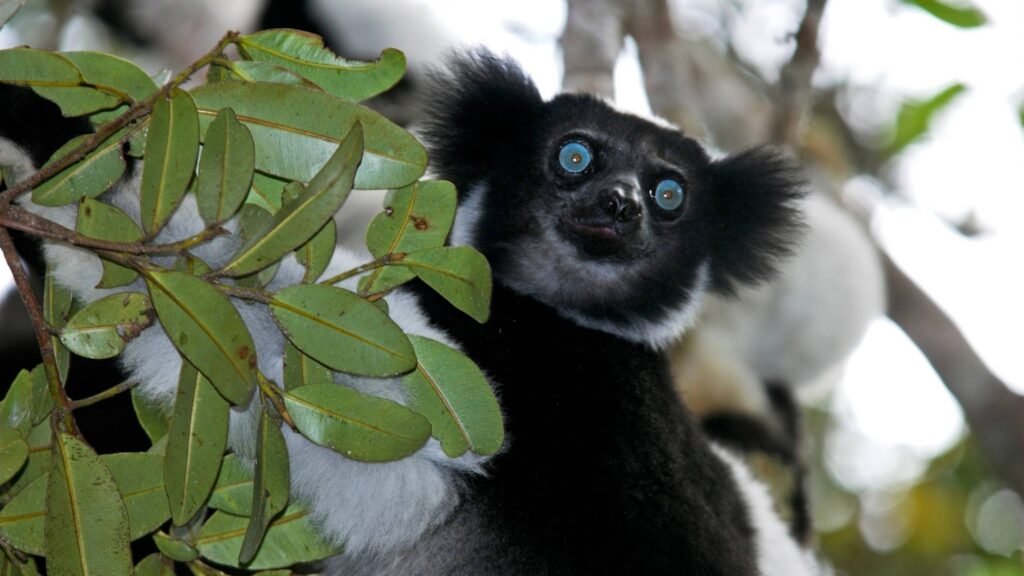
Located just 140 km east of Antananarivo, Andasibe-Mantadia National Park is the most accessible and best-known place to see lemurs, especially the famous indri (Indri indri). The park is made up of two areas: the Analamazaotra Reserve (Andasibe/Perinet) and Mantadia National Park.
The indri, the largest living lemur, is the main attraction. Its powerful, melodic calls—often compared to whale songs—echo through the forest each morning and can be heard from several kilometers away. Watching a group of indri move through the treetops in an aerial ballet is a highlight of any Madagascar trip. The park is also home to 13 other lemur species, including the grey bamboo lemur, the eastern woolly lemur, several nocturnal mouse lemur species, and the rare diademed sifaka.
Well-maintained trails and experienced guides offer excellent viewing chances, and if you’re lucky, a night walk reveals species active after sunset. Thanks to its proximity to Antananarivo, it’s an ideal destination for a first lemur encounter—even on a short stay.

Vakona Reserve
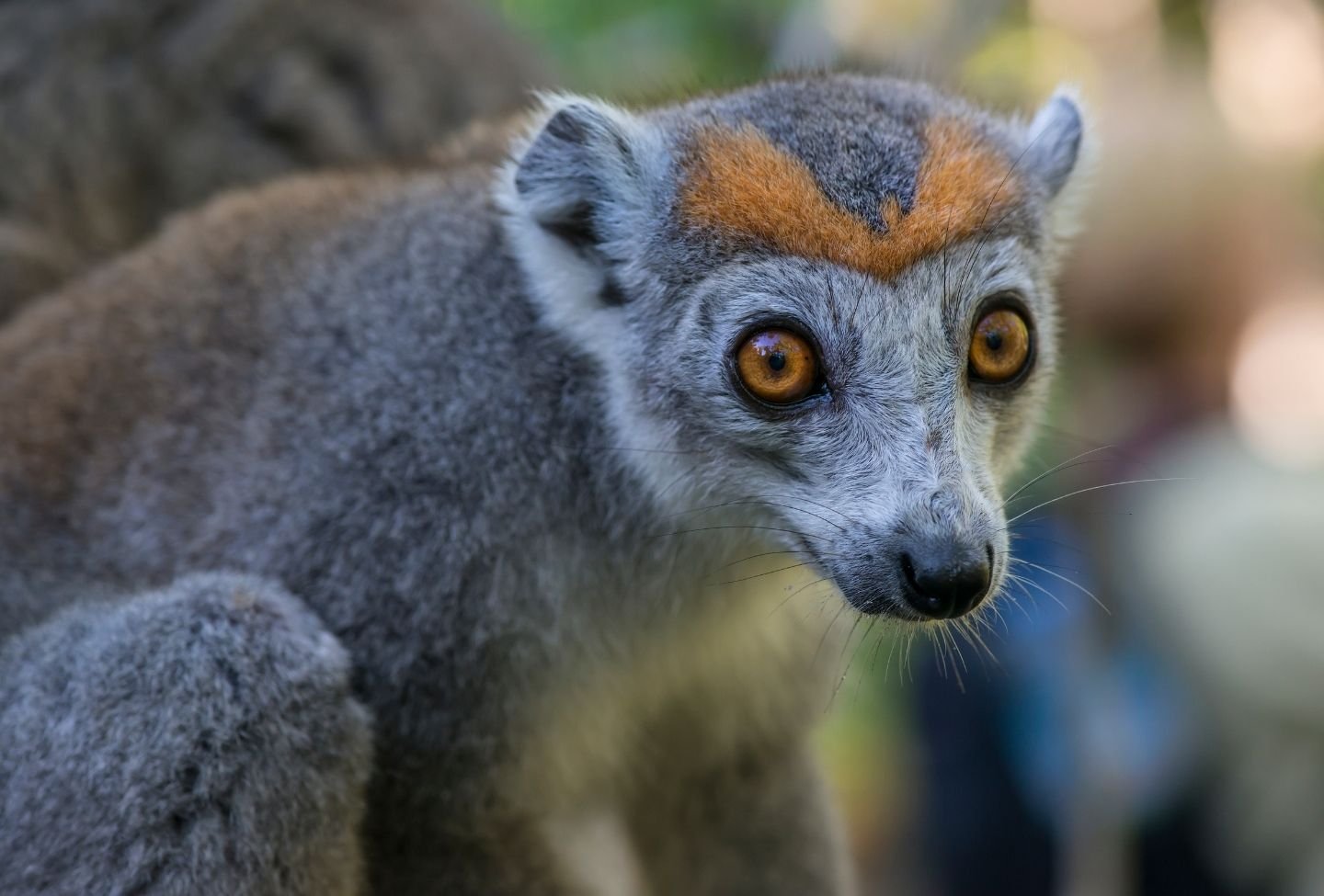
Next to Andasibe National Park, Vakona Lodge offers a completely different experience on its famous “Lemur Island.” Reached by canoe, this small forested island is home to several lemur groups that are used to people, mainly bamboo lemurs, crowned lemurs, and brown lemurs.
Unlike national parks—where viewing is done from a respectful distance—Vakona’s lemurs often approach visitors, sometimes even climbing onto shoulders for a memorable photo. This close contact is especially popular with families traveling with children and photographers looking for close-up portraits.
It’s important to note that, while magical, this experience does not replace true wild observation. Many of Vakona’s lemurs were rescued from captivity (former pets) or transferred here through conservation and rehabilitation efforts. The visit can still be ethical when animal welfare is prioritized, and it provides valuable awareness about lemur protection.
Palmarium Reserve
Located on Madagascar’s east coast and reached by boat from Manambato, Palmarium Reserve is a little-known gem for lemur watching.
This private reserve covers 50 hectares of primary forest along the Pangalanes Canal, offering a lush tropical setting.
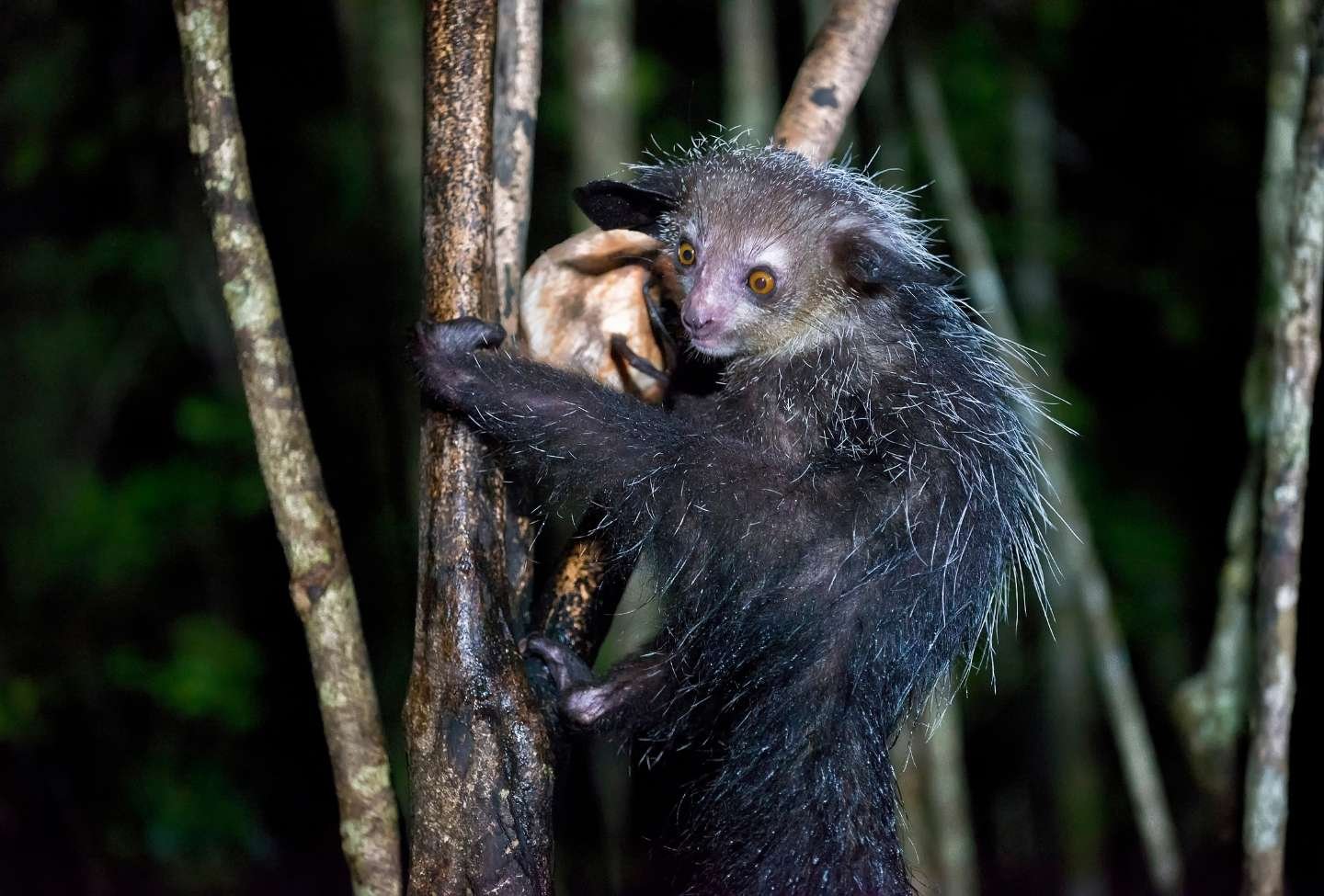
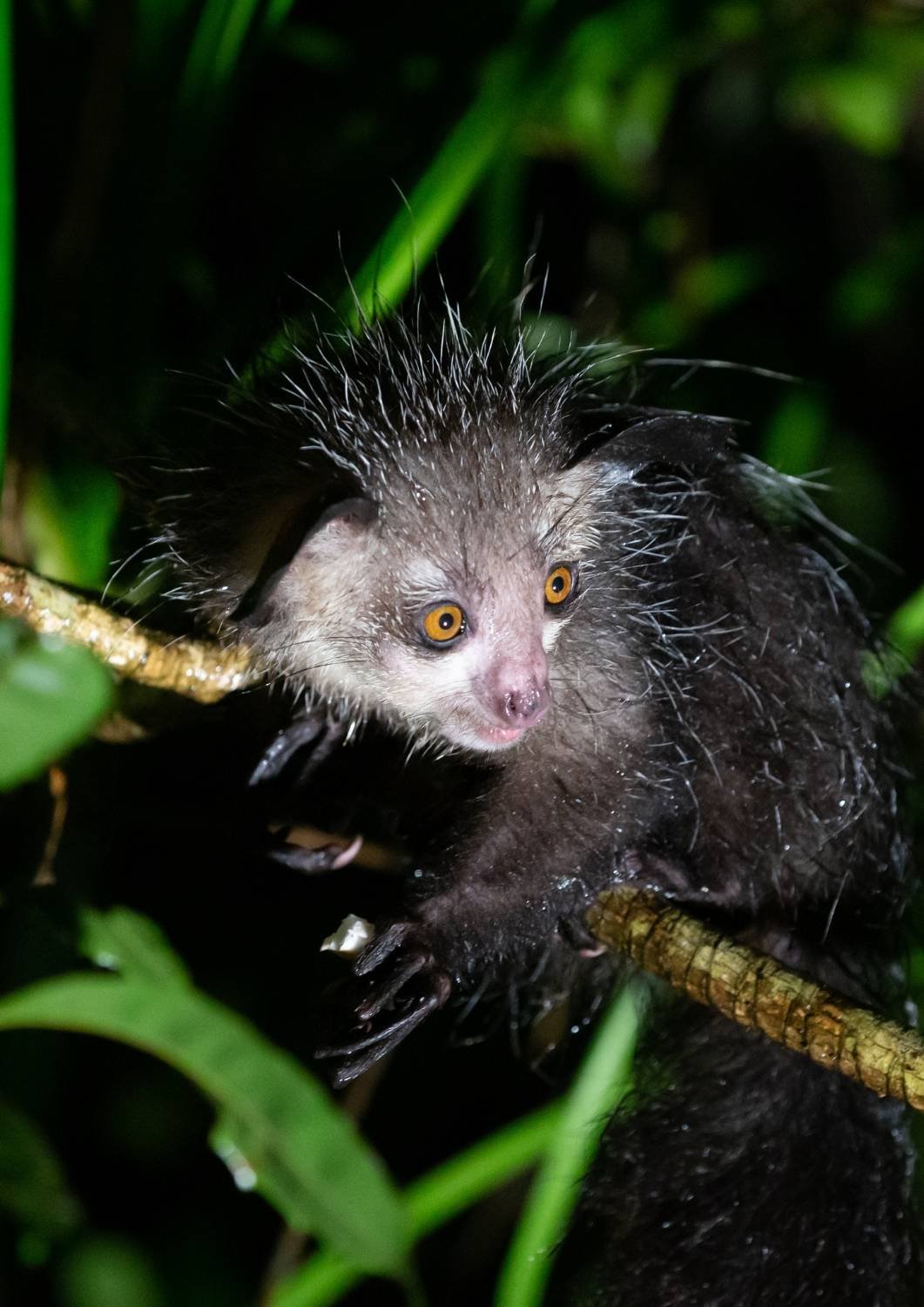
Palmarium stands out for its indri that are often easy to observe, and above all for the presence of the mysterious aye-aye, one of Madagascar’s rarest and most unusual lemurs. With its large eyes, bat-like ears, and elongated middle finger, the aye-aye is a fascinating nocturnal animal that few visitors get the chance to see; the reserve organizes night excursions specifically to look for it.
You can also see black-and-white ruffed lemurs, recognizable by their contrasting coat and powerful calls, as well as other lemur species including bamboo lemurs, sifakas, and several nocturnal species. Because it sits away from the classic tourist circuits, Palmarium offers a more intimate, immersive experience of Madagascar’s wild nature.
Ranomafana National Park
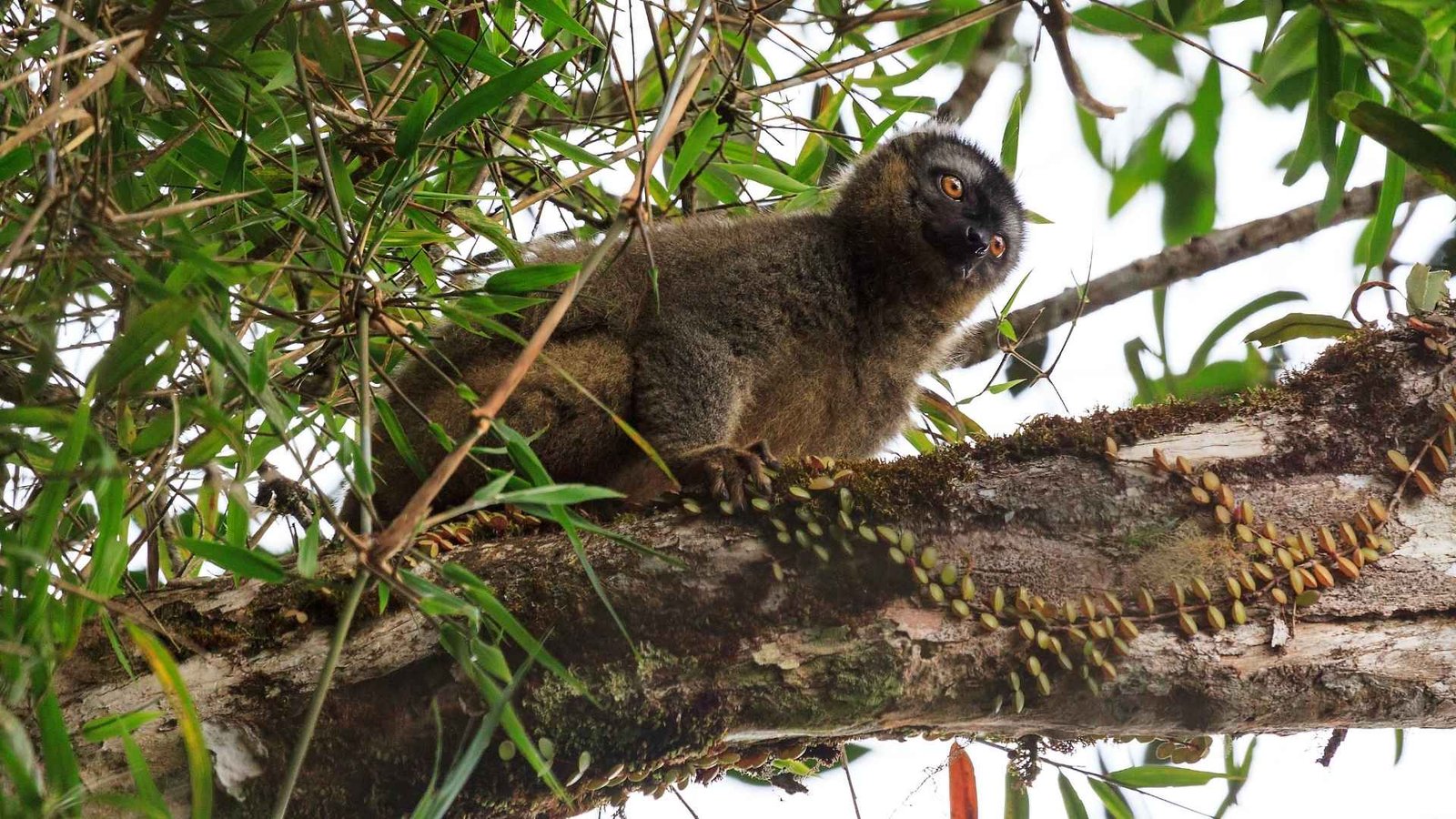
In the heart of the southeastern highlands, Ranomafana National Park protects over 41,000 hectares of tropical rainforest. Created in 1991 following the discovery of the golden bamboo lemur (Hapalemur aureus) in the area, the park has become a global reference for primatology research and conservation.
Ranomafana is home to 12 lemur species, several of them extremely rare.
Besides the golden bamboo lemur, you may spot the greater bamboo lemur, the red-bellied lemur, several mouse lemur species, and—if you’re very lucky—the elusive woolly lemur (Avahi). The park is also known for Milne-Edwards’s sifaka.
The steep terrain and dense vegetation make sightings more challenging than at Andasibe, but the reward is well worth it for true nature lovers. Local guides—often connected to research and monitoring programs—have excellent knowledge of each group’s behavior and range. Night walks can reveal mouse lemurs and other species active after dusk.
Anja Community Reserve
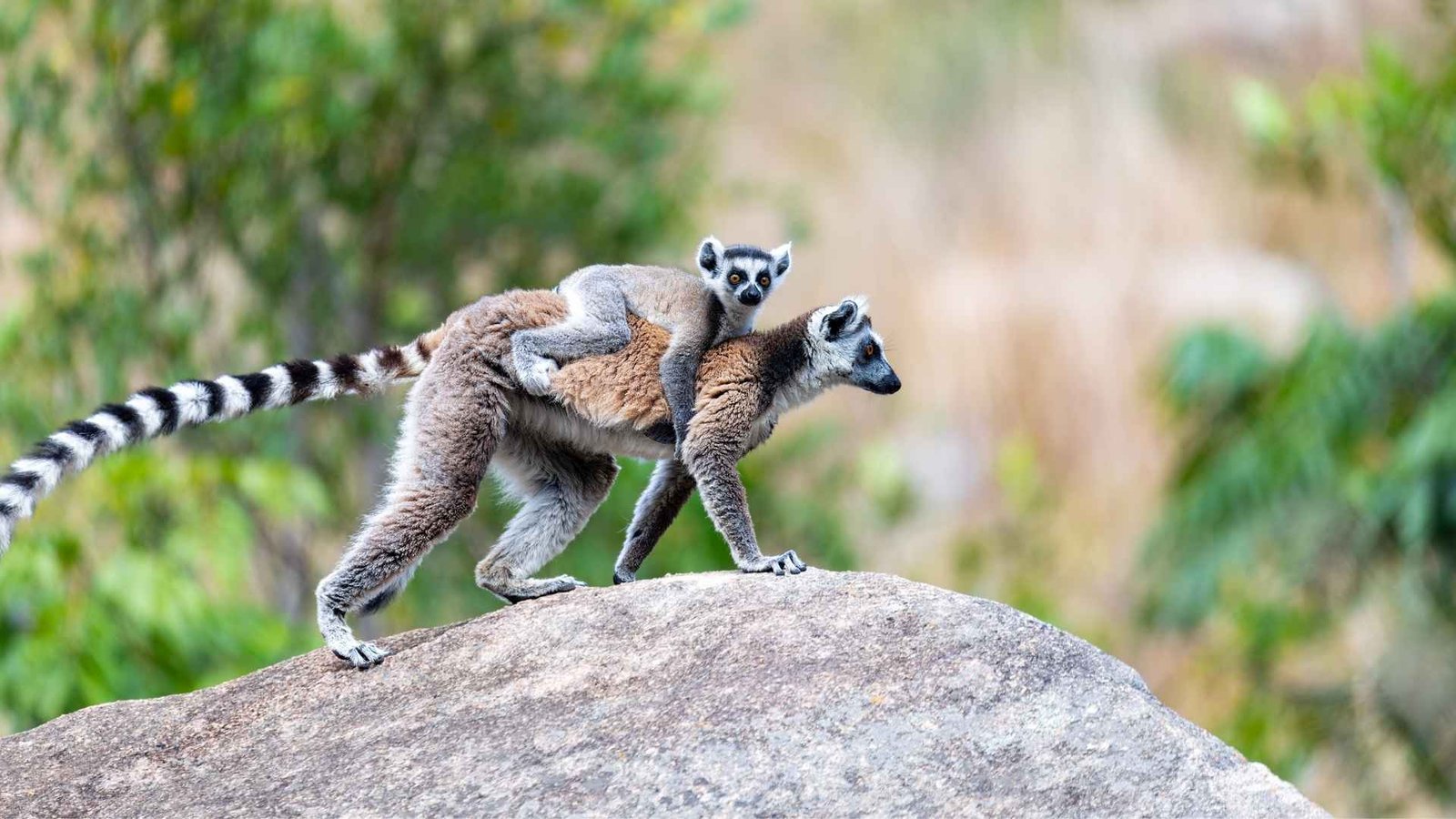
Halfway between Fianarantsoa and Isalo National Park, the small Anja Community Reserve is a successful model of community-based ecotourism. Managed by local people since 1999, this 30-hectare reserve protects one of the best places to observe ring-tailed lemurs (Lemur catta) in their natural habitat.
Spectacular granite boulders scattered across the reserve create natural viewpoints for visitors, while several lemur troops roam freely. These photogenic primates—easy to recognize by their long black-and-white ringed tails—are especially active in the morning. You’ll often see them moving in groups on the ground, warming up in the sun with arms outstretched in their characteristic posture, or caring for their young.
The reserve is often described as having around 300–400 ring-tailed lemurs across multiple family groups. Because the lemurs are habituated to human presence, viewing can be remarkably close while still respecting distance rules. The trail is relatively short and easy, making it suitable for most fitness levels.
Nosy Komba (Nosy Be Archipelago)
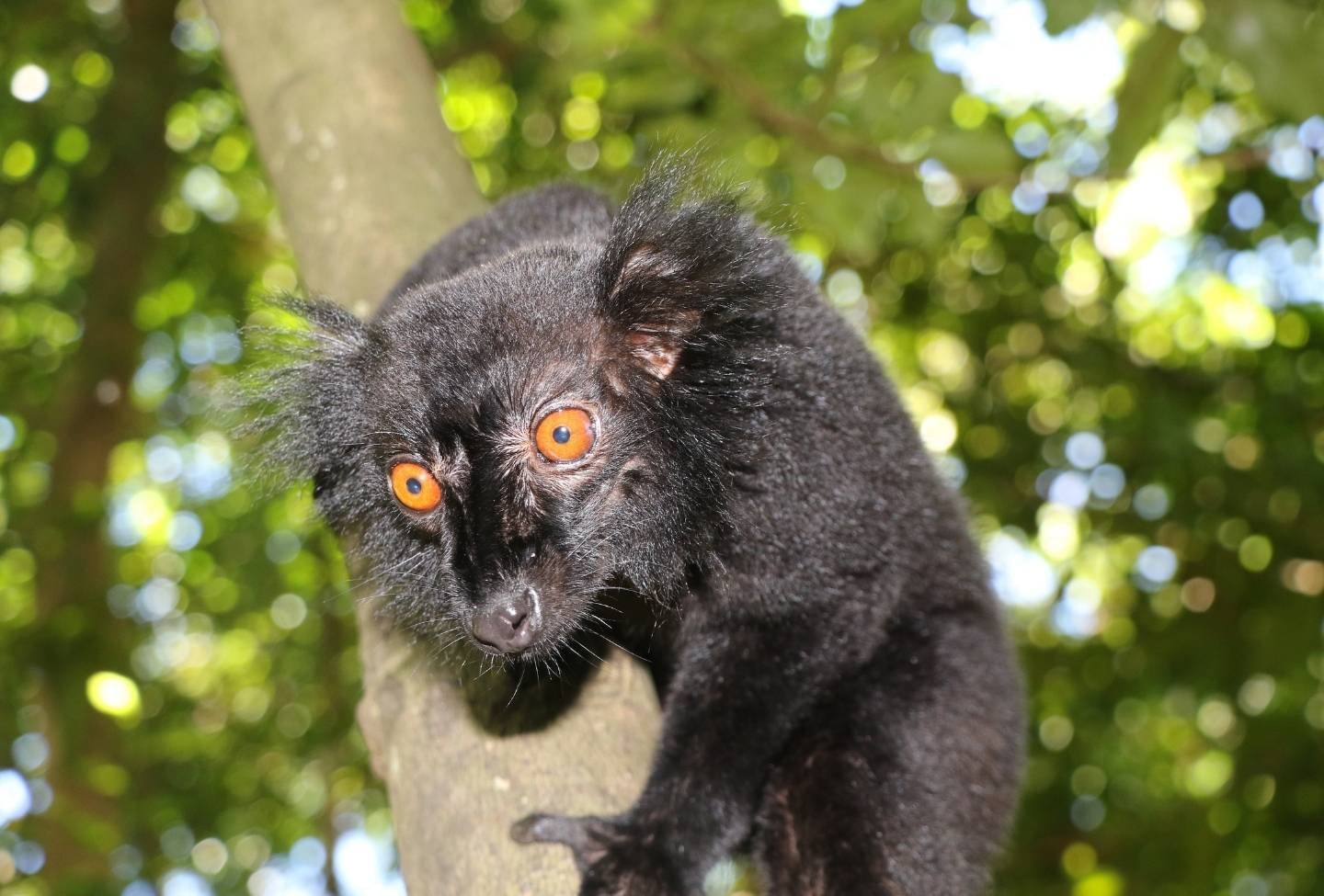
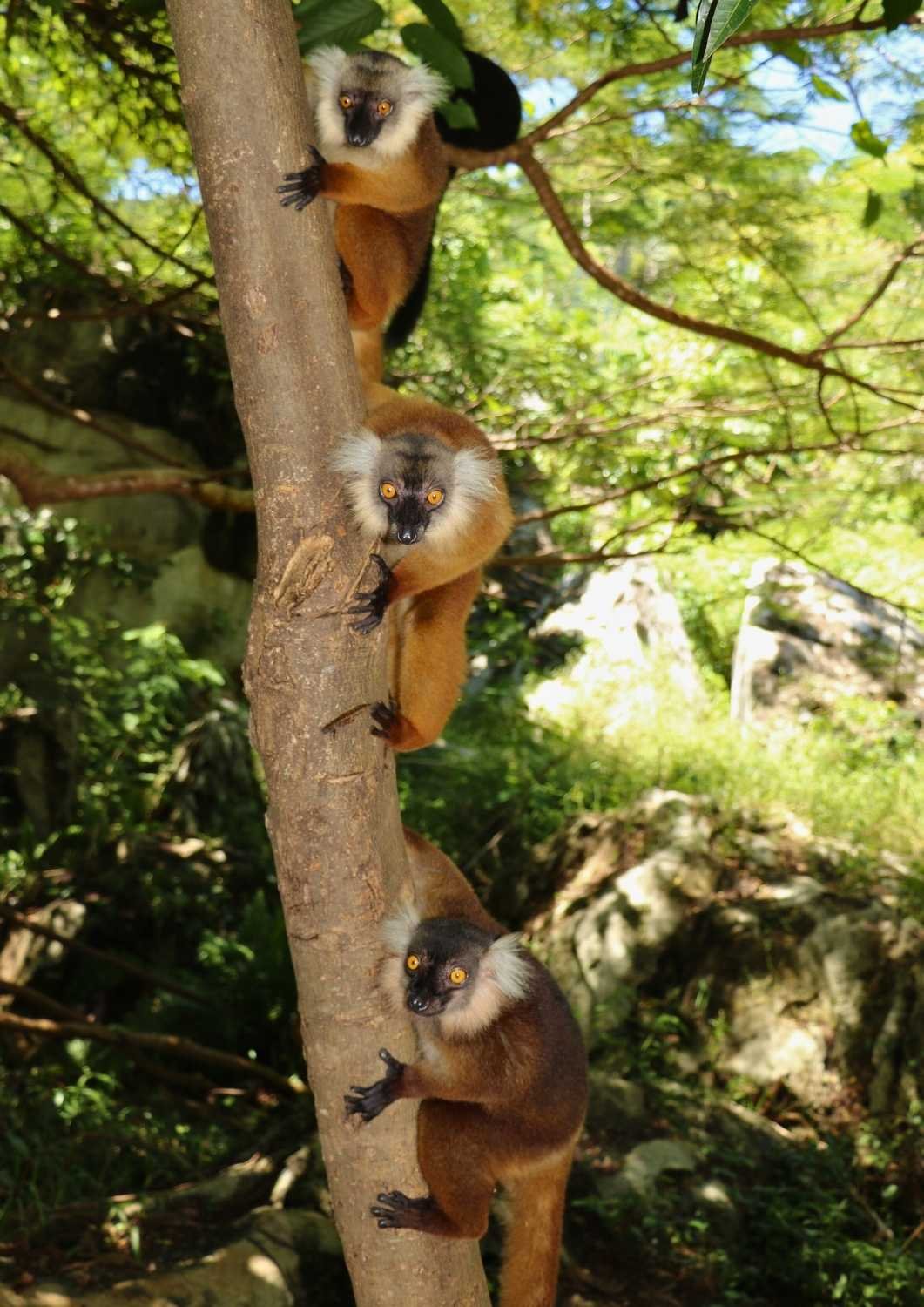
Off Madagascar’s northwest coast, the small island of Nosy Komba offers a lemur-watching experience very different from the mainland national parks. This forested volcanic island, just a short boat ride from Nosy Be, is home to black lemurs (Eulemur macaco) that are partly habituated to people.
The village of Ampangorina, in the south of the island, is known for black lemurs that live freely in the surrounding forest but regularly venture close to houses and visitor areas. These lemurs show clear sexual dimorphism: males are jet black, while females are brownish to chestnut, with a lighter belly.
Overall, Nosy Komba feels more easygoing and accessible than many national parks. Because the lemurs have been used to visitors for years, close (respectful) sightings and excellent photo opportunities are common, and family groups are often seen moving calmly just a few meters away—ideal for families or travelers short on time.

Other must-see spots (Masoala, Isalo, Kirindy, Zombitse…)
Madagascar has many other exceptional places to watch lemurs, each with its own highlights.
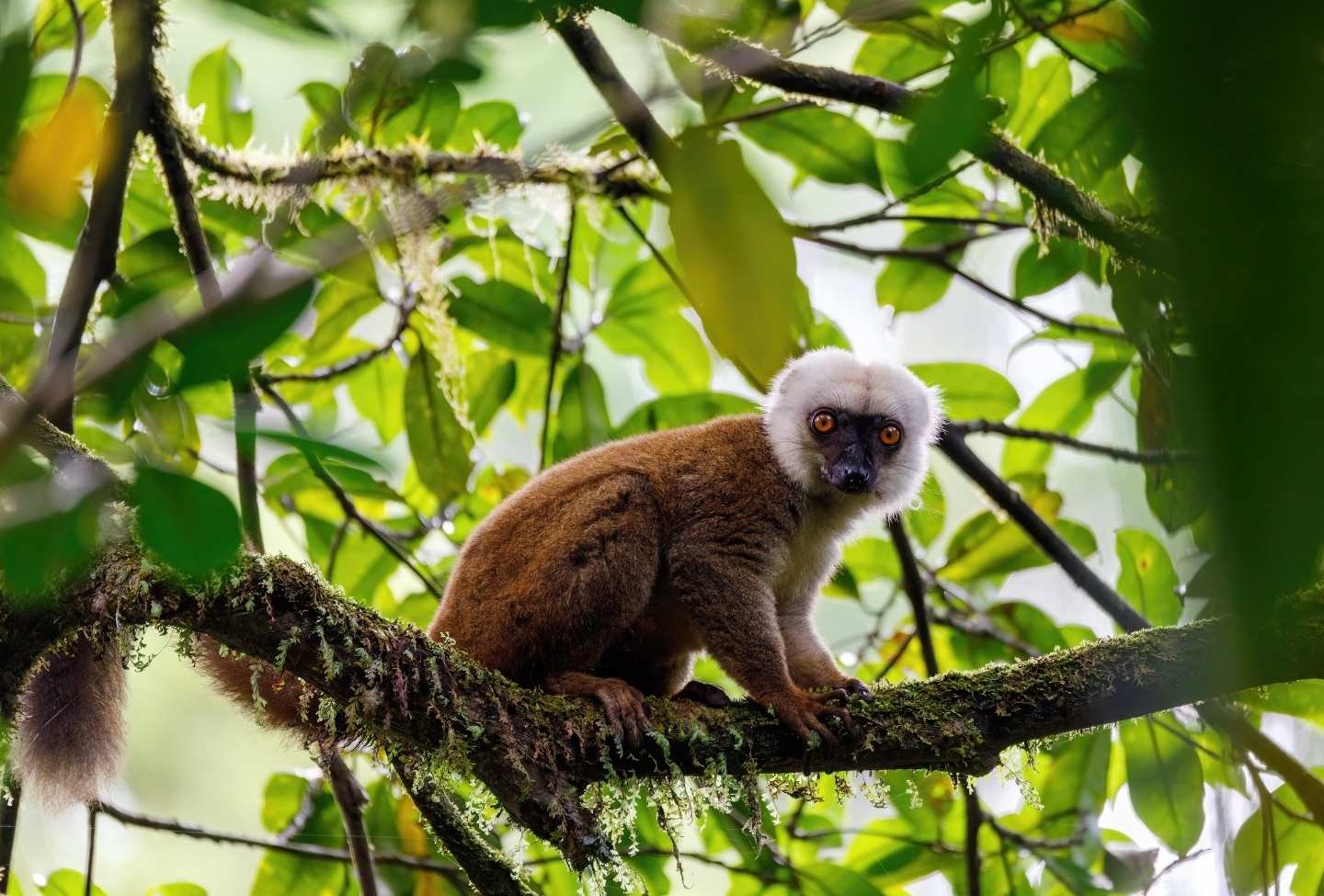
Masoala National Park (northeast) is Madagascar’s largest protected area. Often reached by boat, this wild peninsula is home to the red ruffed lemur, the white-fronted brown lemur, and other rare species; full immersion in humid rainforest between sea and mountains makes it a destination for true adventure lovers.
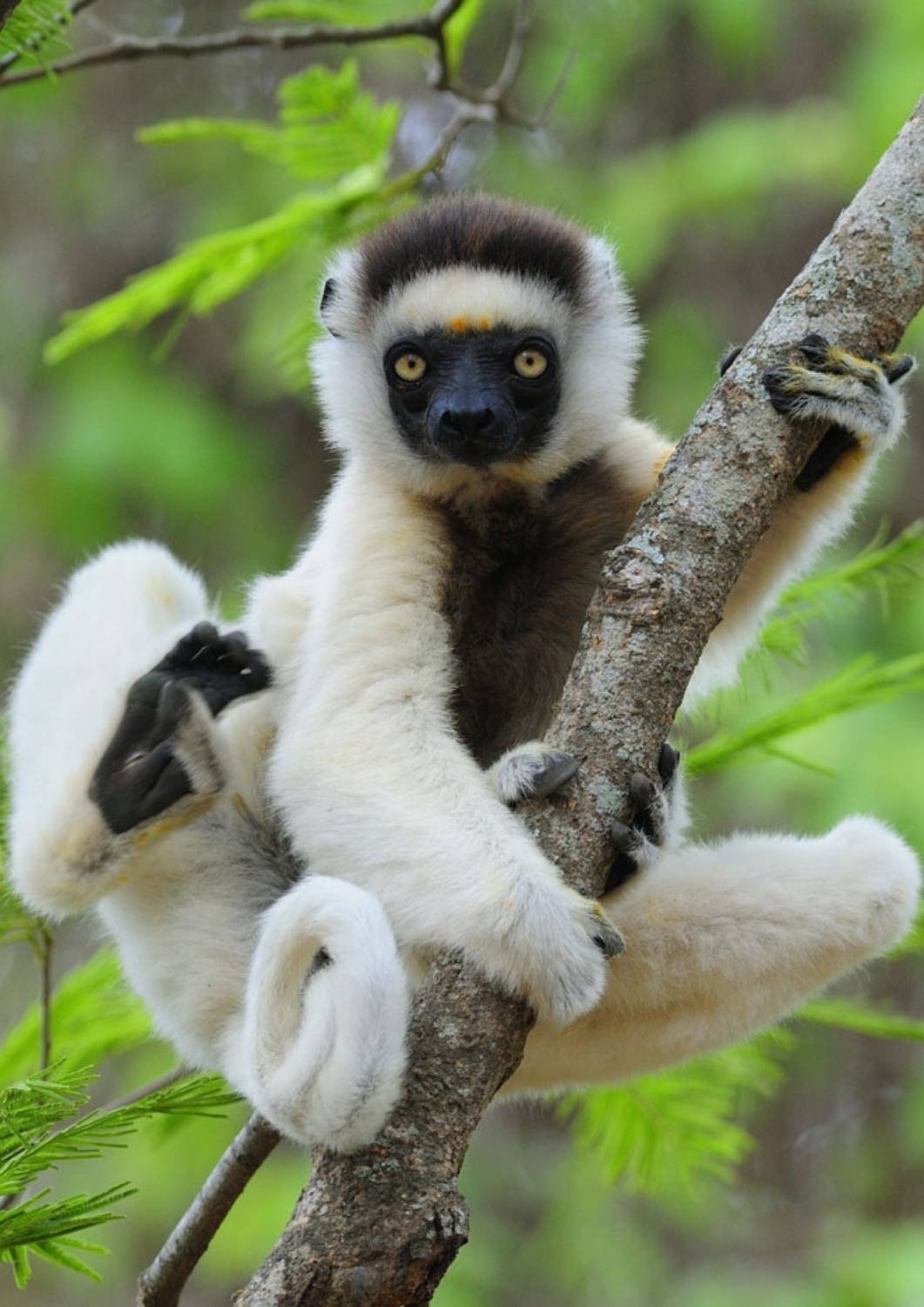
Isalo National Park, famous for its sculpted sandstone landscapes, shelters populations of ring-tailed lemurs and Verreaux’s sifaka, whose white coat and sideways bounding gait on the ground make for an unforgettable sight.
Kirindy Forest (west), a private reserve, is renowned for night walks. It’s one of the best places to see the fossa (the main predator of lemurs) and several nocturnal lemurs, including Coquerel’s giant mouse lemur.
Zombitse-Vohibasia National Park, small but important on the route between Isalo and Tulear, is known for Verreaux’s sifaka and the locally endemic Hubbard’s sportive lemur.
Finally, the Anjozorobe–Angavo Protected Area, north of Antananarivo, remains little visited despite its indri populations and offers a less touristy alternative to Andasibe.
When is the best time to see lemurs?
How you plan your trip directly affects your chances of sightings. While lemurs can be seen year-round, certain periods significantly improve your odds.
Ideal seasons
The dry season (April to November) is the prime time to spot lemurs in Madagascar. Pleasant weather makes forest hikes easier, tracks are more accessible, and thinner vegetation improves visibility in the trees. September to November is especially recommended: it’s the tail end of the dry season, temperatures are mild, and many species are highly active before the rains arrive.
The rainy season (December to March) comes with challenges: muddy trails, tougher access to some reserves, and lush vegetation that makes animals harder to spot. However, this period coincides with the breeding season for several species, offering unique behaviours to observe. Forests are also at their greenest and most photogenic. For photographers who don’t mind humid conditions, soft light and vivid colours can make the effort worthwhile.
Best times of day
Diurnal lemurs are most active early morning (6:00–9:00) and late afternoon (15:00–17:30). During the hottest hours, they rest in the canopy and become harder to find. Early starts—often before dawn—not only maximise sightings at peak activity, but also let you hear the remarkable calls of the Indri echoing through the forest at sunrise.
For nocturnal species (mouse lemurs, dwarf lemurs, and the aye-aye), walks begin at dusk and continue for a few hours after nightfall. Guides typically use red-light headlamps to reduce disturbance while still allowing clear observation.
Breeding season and activity peaks
Breeding generally takes place between September and November. It’s a fascinating time when social behaviour intensifies: courtship displays, more frequent vocalisations, and territorial interactions. Births then occur during the rainy season (December to February), when food is abundant.
Between March and May, you may spot young lemurs starting to explore—often clinging to their mother’s back. These tender moments are a favourite for wildlife photography
Types of lemurs you can see by region
Madagascar is home to an extraordinary diversity of lemurs, and each region gives you the chance to observe specific species.
Indri Indri
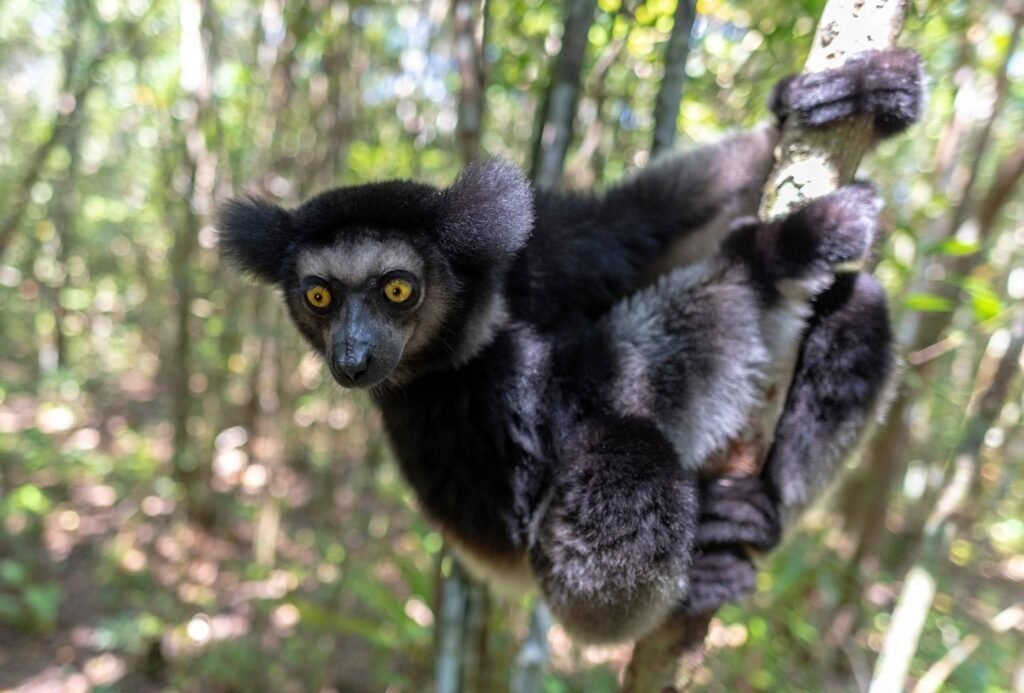
The Indri indri, known as babakoto in Malagasy, is the largest living lemur and one of the country’s most iconic. With its black-and-white coat, long face, and powerful grasping hands, it can look like a small “arboreal panda.” What truly sets it apart is its loud, melodic song: calls can last several minutes and may carry for kilometres through the forest.
Where to see it: Andasibe-Mantadia National Park, Palmarium Reserve, Anjozorobe-Angavo Protected Area. Andasibe remains the most accessible and reliable place for consistently good sightings.
Key traits: Indri live in small, territorial family groups. They are strictly herbivorous, feeding mainly on leaves, and they move through the canopy with spectacular leaps. The species is classified as Critically Endangered.
Sifakas (Propithecus)
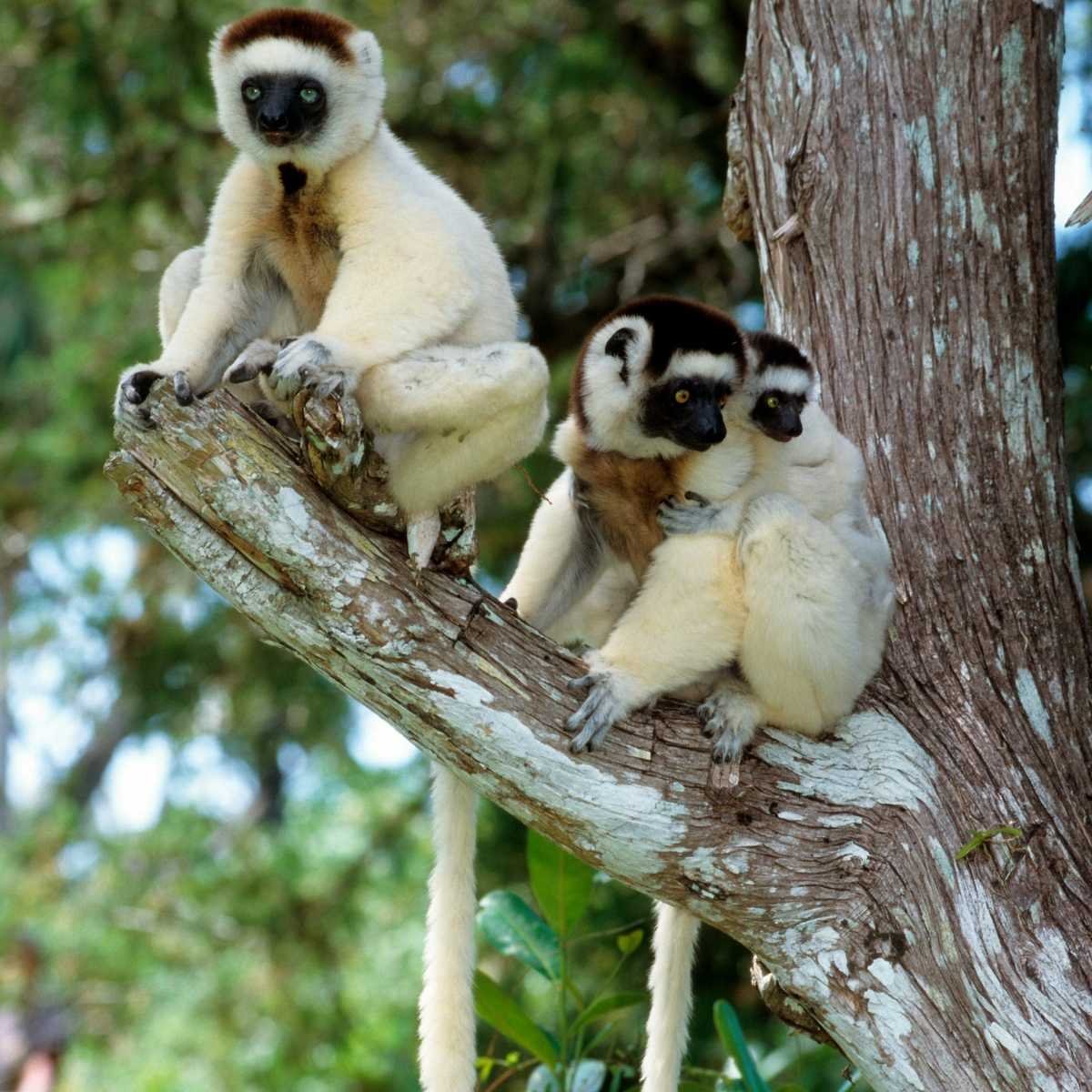
Sifakas are among the most graceful lemurs. Their distinctive way of moving on the ground—sideways hops with arms raised—has earned them the nickname “dancing lemurs.” Several species occur in different regions.
Verreaux’s sifaka (cream-white fur with darker patches) lives in the dry forests of the west and south. Where to see it: Isalo National Park, Kirindy Reserve, Zombitse.
Diademed sifaka (black-and-white silky coat with a golden “crown”) lives in the eastern rainforests. Where to see it: Andasibe-Mantadia National Park.
Coquerel’s sifaka (white fur with reddish-brown areas) is endemic to the north-west. Where to see it: Ankarafantsika National Park.
Ring-tailed lemur (Lemur catta)
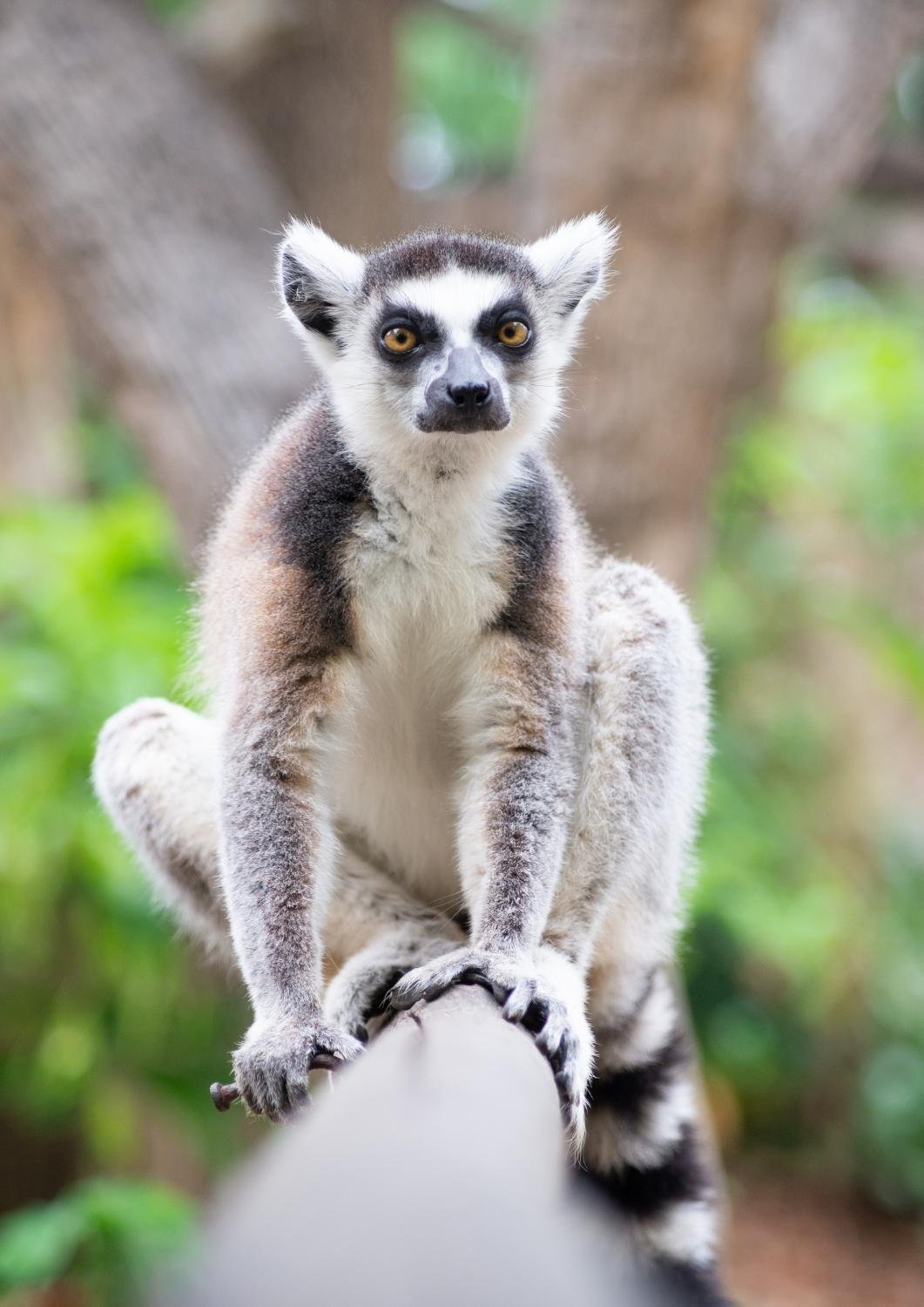
The ring-tailed lemur—often called maki—is arguably the most recognisable species, thanks to its long tail marked with 13 alternating black-and-white bands. Unlike many other lemurs, it spends a significant amount of time on the ground and lives in matriarchal groups that can reach around 30 individuals.
Where to see it: Anja Community Reserve (best spot), Isalo National Park, Berenty Reserve (south).
Key traits: Ringtails are known for their morning “sunbathing” posture—sitting upright with arms open to warm up. Males may also engage in “stink fights,” rubbing scent onto their tails and wafting it toward rivals. Highly social and territorial, they use a wide range of vocalisations.
Mouse lemurs (Microcebus)
Mouse lemurs are the smallest primates on Earth, with some weighing around 30 grams. These nocturnal, big-eyed, bushy-tailed creatures can be challenging to spot—but they’re truly fascinating.
Where to see them: Most parks offer night walks to look for them, with Andasibe, Kirindy Forest, and Ranomafana among the best-known places.
Key traits: Mouse lemurs can enter torpor (a short-term “dormant” state) during the dry season to save energy. They feed on insects, fruit, and nectar, and more than 20 species have been identified—often hard to tell apart in the field. Their tiny size and agility also make them vulnerable to night predators such as owls and the fossa.
Aye-aye (Daubentonia madagascariensis)
The aye-aye is arguably the strangest of all lemurs. With its extremely elongated “skeletal” middle finger used for tap-foraging (tapping wood, listening for hollow chambers, then extracting larvae), large mobile ears, and rodent-like incisors, it looks almost mythical. Long viewed as a bad omen in local beliefs, it is now protected—but it remains rare.
Where to see it: Palmarium Reserve (often considered the best chance), and “Aye-aye Island” near Mananara.
Sportive lemurs (Lepilemur)
Lepilemur are medium-sized nocturnal lemurs that are notoriously difficult to observe because they are discreet and well-camouflaged. They typically sleep in tree holes by day and emerge after dark to feed mainly on leaves, with grey-brown fur that blends into bark.
Where to see them: Kirindy Mite National Park, Ranomafana National Park, and the Special Reserves of Ankarana.
Avahi (woolly lemurs)
Avahi are nocturnal lemurs with a soft, dense coat, usually living as pairs or in small family groups. Woolly lemurs are strictly herbivorous, feeding predominantly on leaves, and they tend to be strongly attached to a home territory.
Where to see them: Andasibe-Mantadia, Ranomafana, Ankarafantsika, Masoala, and Marojejy National Parks.
Varecia rubra (red ruffed lemur)
The red ruffed lemur is one of Madagascar’s rarest and most threatened lemurs. This large, fruit-eating species stands out for its striking deep red coat and powerful calls that carry through the rainforest. It is endemic to the Masoala Peninsula, where it plays an important role in forest regeneration by dispersing seeds as it feeds on fruit.
Where to see it: Masoala National Park is its key stronghold in the wild.
Recommended itineraries to see lemurs
To help you plan your trip, here are themed itineraries focused on lemur watching—each targeting specific species and ecosystems.
Indri indri safari
Itinerary: Antananarivo – Anjozorobe (Anjozorobe-Angavo Protected Area) – Andasibe – Palmarium – Antananarivo
Recommended duration: 7 to 10 days
This itinerary is fully dedicated to spotting the Indri indri, the largest lemur and one of the most vocal. It combines three of the strongest locations for this flagship species, each offering a different experience.
From Antananarivo, head to the Anjozorobe-Angavo Protected Area, located about 90 km northeast of the capital. This lesser-visited zone offers a more authentic, quiet immersion away from the main tourist flows.
Next, continue to Andasibe, Madagascar’s most famous and reliable destination for Indri encounters. Spending several days here lets you explore Analamazaotra and Mantadia, enjoy the spectacular morning Indri “concerts,” and join night walks for after-dark species. You can also encounter other lemurs in the area, including bamboo lemurs, diademed sifakas, and woolly lemurs.
Then travel to Palmarium, reached via Manambato and a scenic boat transfer along the Pangalanes Canal. This private reserve offers excellent opportunities for lush, tropical lemur watching and, above all, guided night walks to search for the legendary aye-aye. Black-and-white ruffed lemurs are also commonly seen here, adding to the variety of sightings.
Highlights: Maximum focus on an iconic species, varied ecosystems, the chance to also see the aye-aye, day and night excursions, and a quieter “off-the-radar” feel in Anjozorobe.
Ring-tailed lemur (maki) safari
Itinerary: Antananarivo – Fianarantsoa – Anja Reserve – Isalo – Zombitse-Vohibasia – Tulear – Antananarivo
Recommended duration: 10 to 14 days
This journey crosses the Highlands and southern Madagascar—prime regions for the famous ring-tailed lemur (maki) and for spectacular sifakas, set against landscapes ranging from grassy plateaus to dramatic sandstone formations.
After leaving Antananarivo, you travel down toward Fianarantsoa before continuing to Anja Community Reserve, widely considered the best place for easy, close ring-tailed lemur viewing in a community-managed model. Isalo then blends top-tier hiking scenery with strong chances to see both ring-tailed lemurs and Verreaux’s sifakas.
A stop at Zombitse-Vohibasia adds a different habitat type and complements the southern species mix before finishing in Tulear (Toliara), often followed by a domestic flight back to Antananarivo to save time.
Highlights: Outstanding ring-tailed lemur encounters at Anja, “dancing” sifakas in Isalo, striking southern landscapes, and a strong community ecotourism dimension.
Aye-aye and Varecia safari
Itinerary: Antananarivo – Manambato – Palmarium – Tamatave – Mananara – Masoala – Antananarivo
Recommended duration: 12 to 16 days
This more adventurous route targets Madagascar’s most elusive and rare species—especially the aye-aye and the red ruffed lemur (Varecia rubra)—across some of the most intact ecosystems on the east coast.
From Antananarivo, travel to Manambato and take a boat transfer to Palmarium, where guided night walks offer one of the best chances to see aye-aye. Continue via Toamasina (Tamatave) and onward to the Mananara-Nord area, then on to Maroantsetra—the gateway to Masoala National Park, a vast rainforest-and-coast wilderness accessible primarily by boat.w
In Masoala, the goal is the red ruffed lemur, endemic to the Masoala Peninsula and among the most threatened lemurs, alongside several other rainforest species. The experience is immersive and raw: dense primary forest, deserted beaches, and a real “edge-of-the-map” feel.
Highlights: Aye-aye-focused nights in Palmarium, deep immersion in Masoala’s primary rainforest, strong chances for red ruffed lemur, and an authentic off-the-beaten-track adventure combining forest and beach.
Black lemur (Eulemur macaco) safari
Itinerary: Nosy Be – Lokobe – Nosy Komba
Recommended duration: 5 to 8 days
This short itinerary combines beach time with nature discovery in the Nosy Be archipelago, ideal if you have limited time or want to mix wildlife with relaxation.
The must-do excursion is Lokobe Special Reserve, home to the black lemur, famous for its strong sexual dichromatism: males are jet-black while females are reddish-brown. Guided walks (including possible night walks depending on your programme) can also reveal sportive lemurs and mouse lemurs, adding depth beyond the main species.
Nosy Komba offers a more “human-adapted” encounter in and around Ampangorina, often appreciated by families for easier viewing and close-up photos, plus good opportunities for snorkelling and downtime.
Highlights: A practical beach-and-forest combo, the endemic black lemur, Lokobe’s last lowland rainforest on Nosy Be, and easy logistics for short stays.
Custom lemur safaris
Beyond these classic routes, itineraries can be tailored to your interests, fitness level, budget, and time available.
Want to maximise species count? A 3 to 4-week “grand lemur safari” can combine eastern sites (Andasibe, Palmarium, Ranomafana), southern highlights (Anja, Isalo), western forests (Kirindy, Ankarafantsika), and the north (Lokobe, Amber Mountain) to target 20+ species across diverse ecosystems.
A wildlife photographer? A dedicated photo itinerary can extend time in each location, optimise lodging access to viewing areas, and match you with guides used to photographers’ needs.
Travelling with young children? Family-friendly programmes prioritise easy-access sites (Andasibe, Anja, Vakona) with gentle trails, shorter walks, and comfortable accommodation—Vakona’s “lemur island” is often a hit with kids.
Interested in conservation and research? Some programmes allow you to support field projects and conservation work through networks such as the Lemur Conservation Network.
Short on time but want the essentials? A 3 to 4-day express trip centred on Andasibe is a strong choice to see Indri and several other species while staying close to the capital.
Why travel with Lemur Safari to see lemurs?
Planning a lemur safari in Madagascar takes real field expertise, up-to-date local knowledge, and a strong on-the-ground network. Lemur Safari focuses on this niche to deliver the best possible wildlife-viewing experiences.
Local expertise
Lemur Safari is a Malagasy agency, founded and run by people who are passionate about their island and its unique wildlife. Being locally based makes a real difference: our teams know each park, reserve, and trail in practical, real-world detail, and we work closely with highly skilled naturalist guides who dedicate their lives to studying and protecting lemurs.
This deep knowledge allows us to adjust itineraries to the seasons, animal behaviour, and real-time field conditions. We know which areas currently offer the best chances in a given park, which species are in breeding periods, and which trails perform best depending on weather—so you get the right plan at the right time.
Beyond wildlife, our team helps you experience authentic Malagasy culture—villages, markets, and traditions—so you don’t just visit Madagascar, you live it from the inside.
Access to lesser-visited areas
Lemur Safari doesn’t limit you to “classic” routes. Thanks to our network and field knowledge, we can take you to community reserves, newer protected areas, and remote locations that remain under the radar—often offering calmer, more intimate sightings away from crowds.
Anjozorobe, Masoala, small community reserves in the south, and private forests in the west: these are the kind of preserved gems where you genuinely feel like an explorer. This approach also supports fairer tourism, bringing income to communities in areas that rarely benefit from visitor revenue.
100% tailor-made itineraries
At Lemur Safari, there are no rigid “catalogue tours.” Every trip is designed from scratch around your goals, interests, fitness level, budget, and timeframe.
Dreaming of seeing the aye-aye? We build the itinerary around that objective. Fascinated by sifakas? We select the strongest sites for that family. Want to maximise species numbers? We optimise routing to cover multiple ecosystems. Prefer comfort—or, on the contrary, raw adventure? We adjust accommodation and transport accordingly.
Personalisation continues during the trip: if sightings are exceptional and you want to extend time in a park, or tweak a part of the itinerary, we adapt in real time whenever possible.
Support from a passionate driver-guide
All our tours include an experienced, French-speaking driver-guide who becomes your travel companion, cultural interpreter, and practical advisor—often a real friend by the end of the journey.
Our driver-guides know Madagascar’s challenging roads, drive safely, and can handle common on-the-road issues. But they are far more than drivers: trained in fauna and flora, they enrich the experience with clear explanations, sometimes spot wildlife even before specialist park guides, and adapt to your pace.
This continuous presence creates a genuine human connection—an essential part of the Malagasy experience—through shared meals, discoveries, and unforgettable moments.
Ecotourism commitment
Lemur Safari is deeply committed to responsible, sustainable tourism. Lemurs are threatened, Madagascar faces major environmental challenges, and tourism must be part of the solution—not part of the problem.
In practical terms, we favour eco-conscious lodges, prioritise local guides and suppliers so revenue benefits communities directly, support conservation and reforestation initiatives, and raise traveller awareness about protection issues.
We strictly apply respectful wildlife-watching rules, keep group sizes limited to reduce impact, and encourage travellers to offset the carbon footprint of their trip whenever possible.
Our core belief is simple: when done well, tourism can help protect lemurs by creating local jobs and making living wildlife more valuable than exploitation—turning communities into guardians of these extraordinary species.
Request your tailor-made lemur safari
Are you ready for the wildlife adventure of a lifetime—meeting Indri in the misty forests of Andasibe, spotting ring-tailed lemurs at sunrise among Anja’s granite rocks, and heading into Palmarium’s tropical night in search of the mysterious aye-aye?
The Lemur Safari team is here to design your ideal trip with you. We take the time to discuss your expectations, dreams, and constraints, then craft an itinerary that truly fits you and maximises your chances of exceptional sightings—while following responsible wildlife-watching practices.
Contact us now to receive your free, no-obligation personalised quote. Share your possible travel dates, approximate budget, the species you’re most excited to see, your fitness/activity level, and anything else that matters to you; we’ll get back to you quickly with a detailed proposal including a day-by-day itinerary, selected accommodations, planned activities, and clear, transparent pricing.
Madagascar and its lemurs are waiting for you. This unique biodiversity is fragile and precious, and every day matters for these threatened species—don’t postpone this once-in-a-lifetime journey. By discovering them today, you also help give them a reason to be protected tomorrow.
Request your free quote today and get ready for the most extraordinary wildlife adventure of your life.