
East Madagascar Tour: A Tropical Immersion into Biodiversity and Living Traditions
Get ready to explore biodiversity sanctuaries and enjoy authentic encounters in the heart of the Red Island.
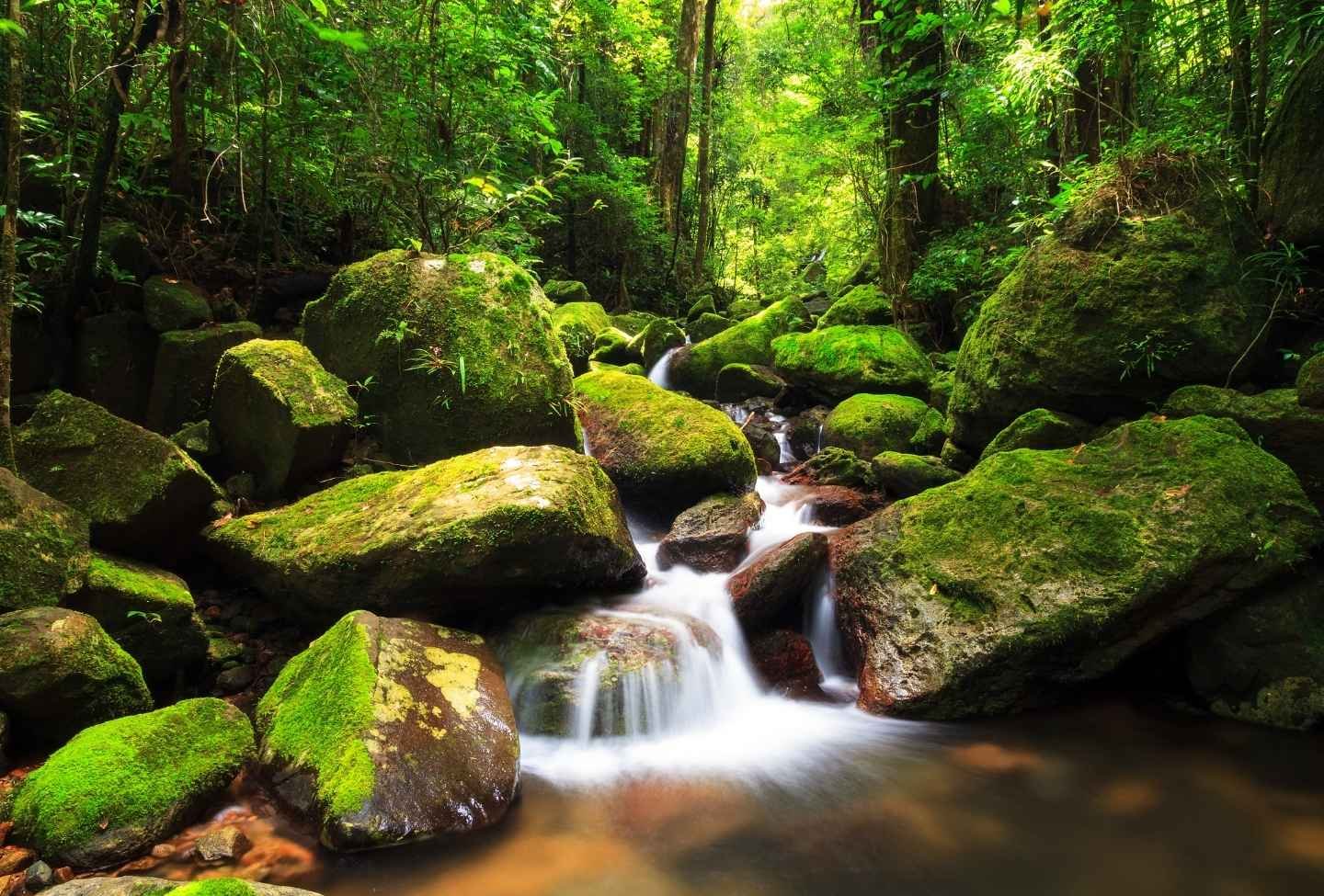
Masoala Park
East Madagascar: Nature, culture & paradise beaches
Madagascar’s East Coast is an invitation to wonder—a land where exuberant nature meets the deeply rooted Betsimisaraka culture. From humid tropical rainforests sheltering unique endemic wildlife to peaceful lakes and the historic waterways of the Pangalanes Canal, plus paradise islands and pristine shorelines, East Madagascar Tour promises adventure, relaxation, and deep cultural immersion.
The Central-East: Biodiversity near the Capital
This region combines outstanding natural richness with relatively easy access from Antananarivo, making it an ideal gateway for your East Madagascar Tour.
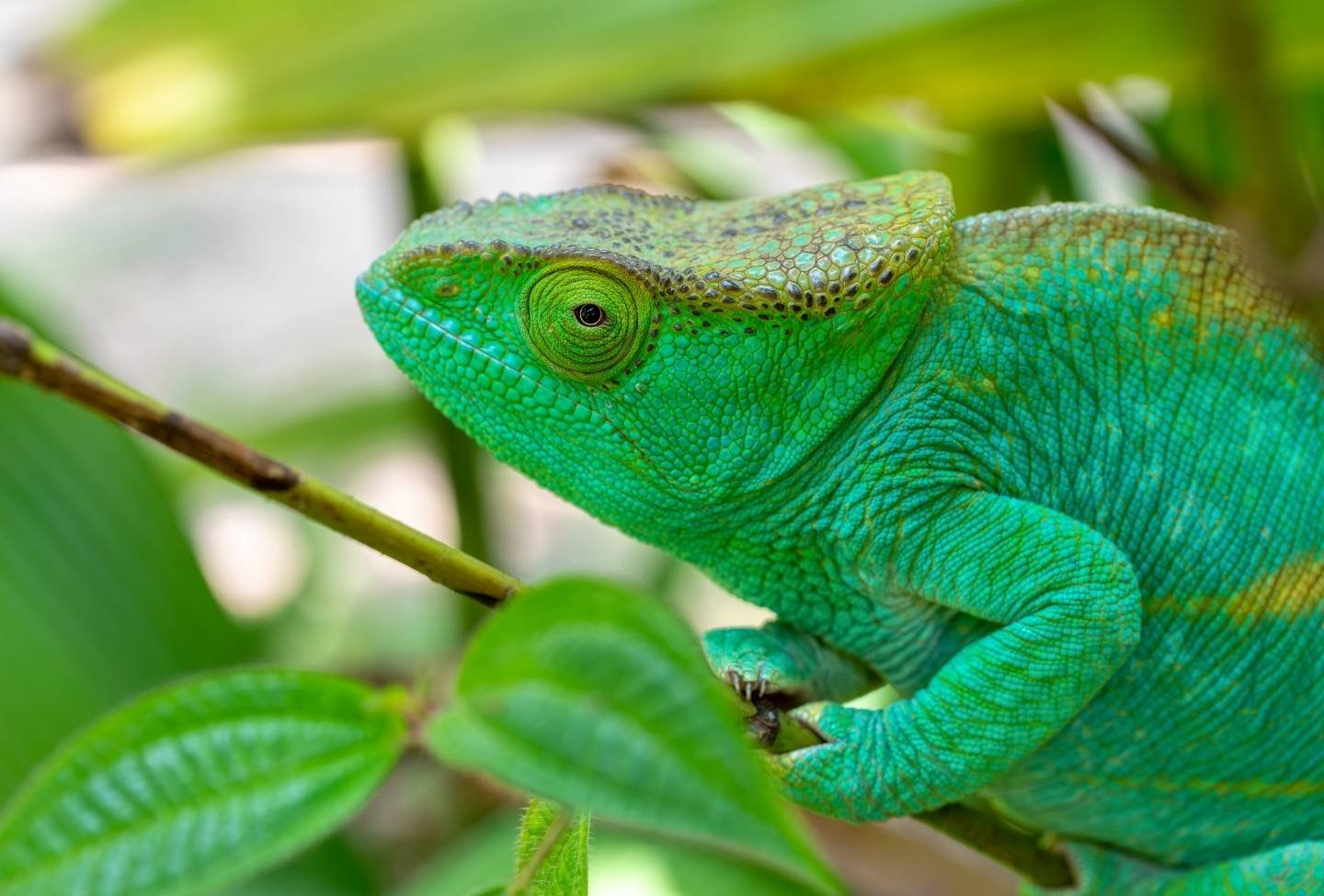
Peyrieras Reserve
Peyrieras Reserve: Reptiles, amphibians, and Madagascar’s biodiversity
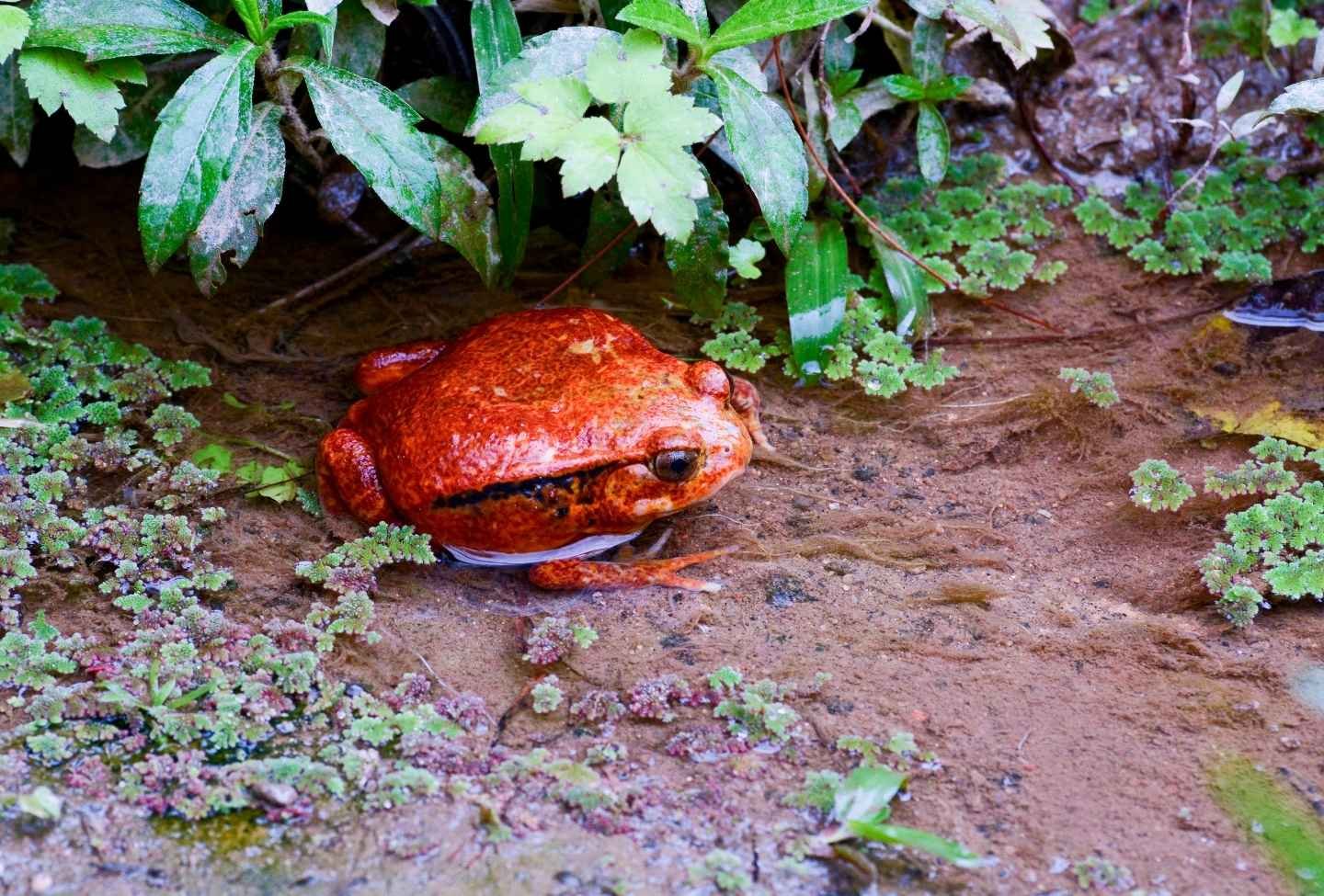
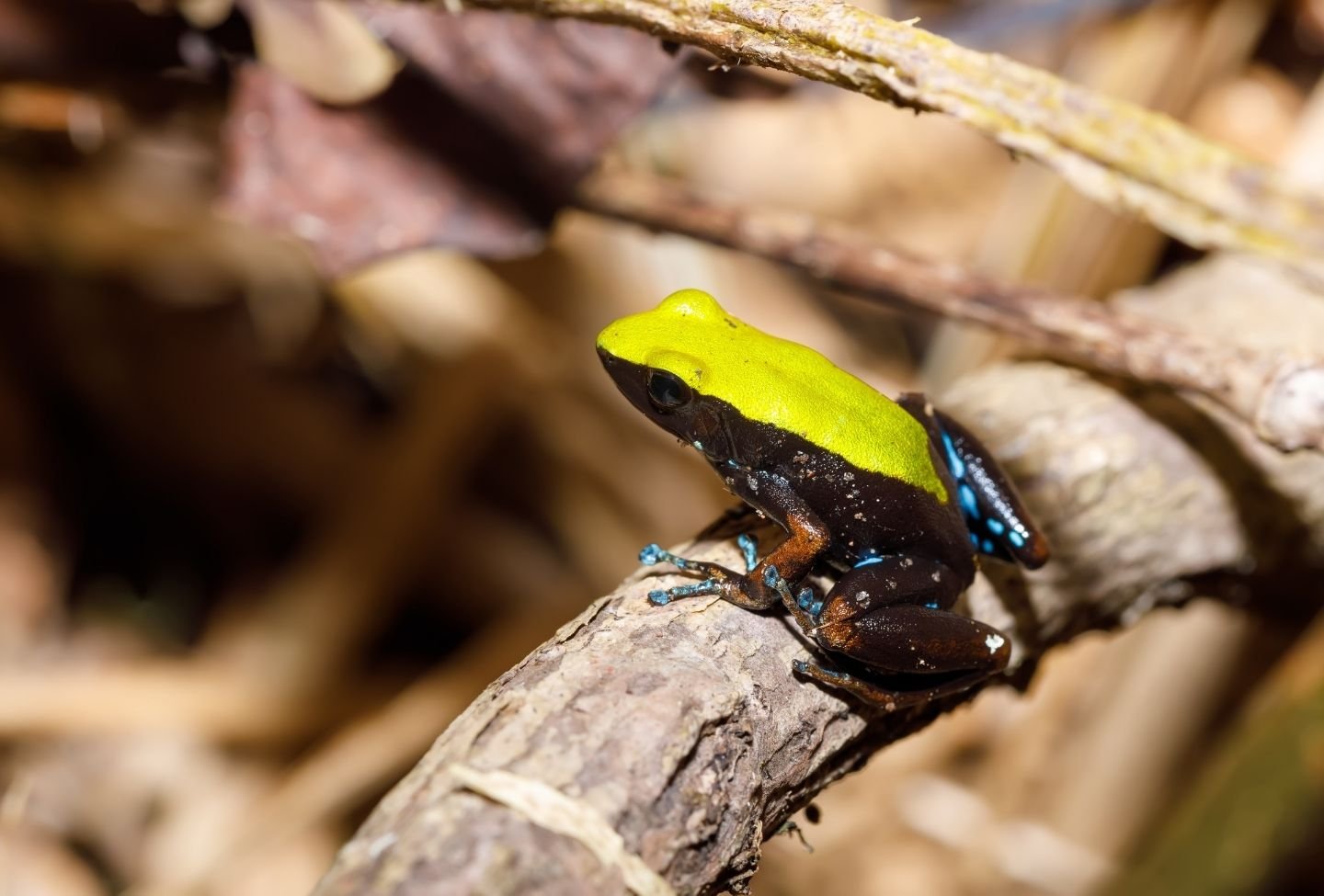
Located in Marozevo, halfway between Antananarivo and Andasibe, the Peyrieras Reserve—also known as Madagascar Exotic—is a reptile and amphibian farm offering a rare opportunity to observe up close some of Madagascar’s most iconic creatures. This breeding and research center hosts a remarkable collection of colorful chameleons, geckos, snakes, and crocodiles—often difficult to spot in the wild. It’s an ideal stop for wildlife photography enthusiasts and for anyone curious to learn more about the Red Island’s lesser-known fauna.
Beyond observation, the reserve is actively involved in conservation through breeding, reintroduction, and awareness programs. A visit to Peyrieras is an enriching stop on the East Madagascar route, especially recommended for families and nature lovers who want to discover the island’s unique and fragile biodiversity from a different angle.
Moramanga: A historical and cultural crossroads
Moramanga, in the heart of the eastern highlands, is a city steeped in history and an important commercial hub. It is sadly known for being the starting point of the 1947 uprising against French colonial occupation—one of the major events in Madagascar’s history—which the city commemorates through monuments and a museum. It’s a place where you can feel the pulse of the island’s contemporary history while observing everyday life and the activity of local markets.
Beyond its historical past, Moramanga is a key stop on the road to Andasibe and the East Coast, making it a practical and interesting break. The city is also a regional center for agricultural trade. Visiting Moramanga adds valuable cultural and historical context to your East Madagascar Tour and sets the stage for the natural discoveries ahead.
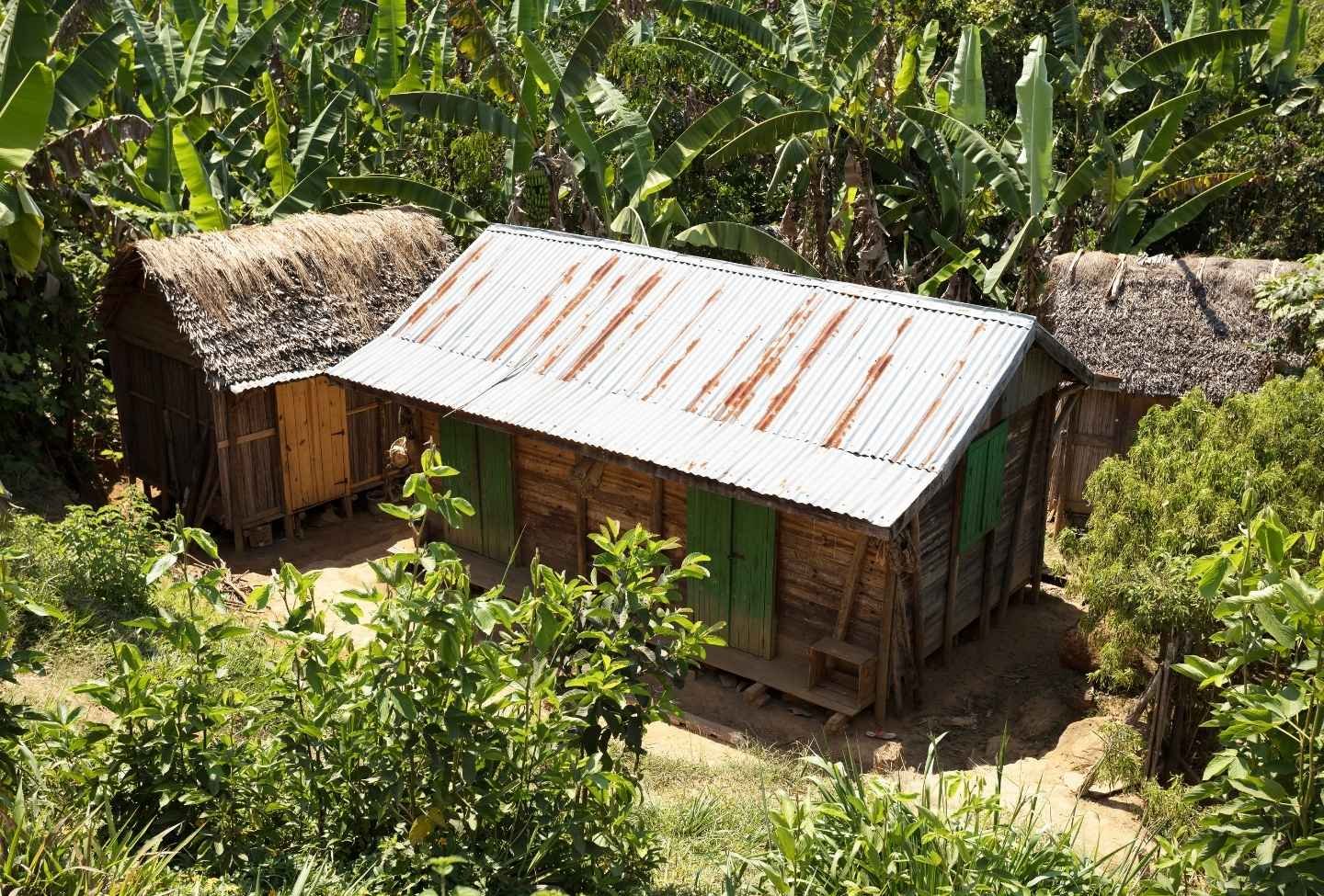
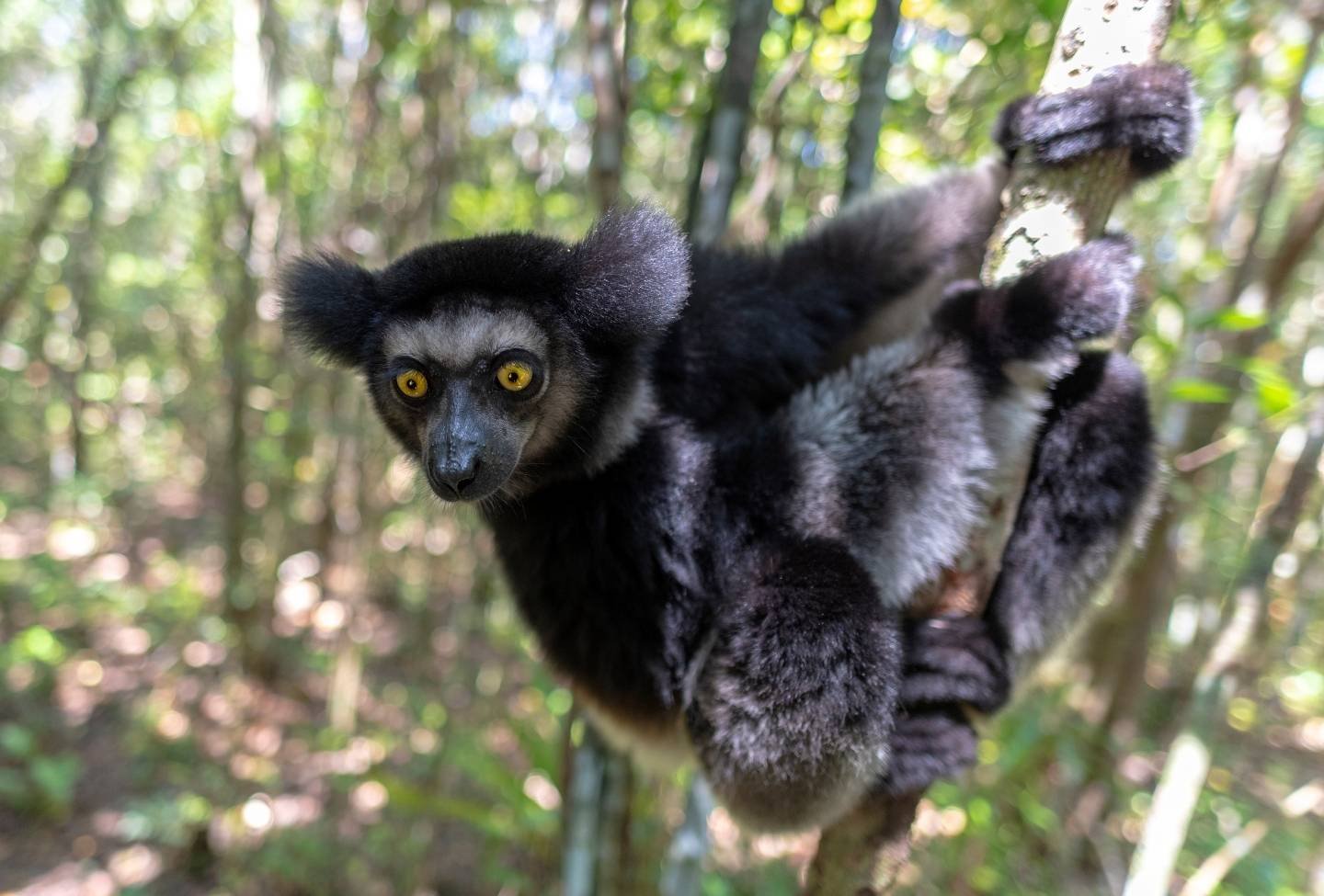
Andasibe Park
Andasibe-Mantadia National Park: The Kingdom of the Indri indri
Just a few hours from the capital, Andasibe-Mantadia National Park is an absolute must for nature lovers, home to Madagascar’s largest living lemur: the Indri indri. The powerful, haunting call of this iconic animal echoes through the humid rainforest, creating an unforgettable soundscape at dawn. The park is divided into two main areas—Analamazaotra Special Reserve and Mantadia National Park—protecting remarkable biodiversity including other lemur species, chameleons, rare birds, and lush flora of orchids and ferns.
Well-maintained trails offer hikes for every level, with exceptional opportunities to observe fauna and flora in their natural habitat. Experienced local guides help you spot the most discreet species and understand the ecosystem of primary rainforest. Andasibe-Mantadia is a key highlight of any East Madagascar Tour, promising unique wildlife encounters and a deeper awareness of biodiversity’s importance.
The East’s waterway: The Pangalanes Canal and surroundings
Let yourself drift to the slow rhythm of the Pangalanes Canal, an emblematic river artery of the East Coast. Around every bend, quiet villages, lush forests, and daily life scenes bring you closer to Madagascar’s authentic soul.
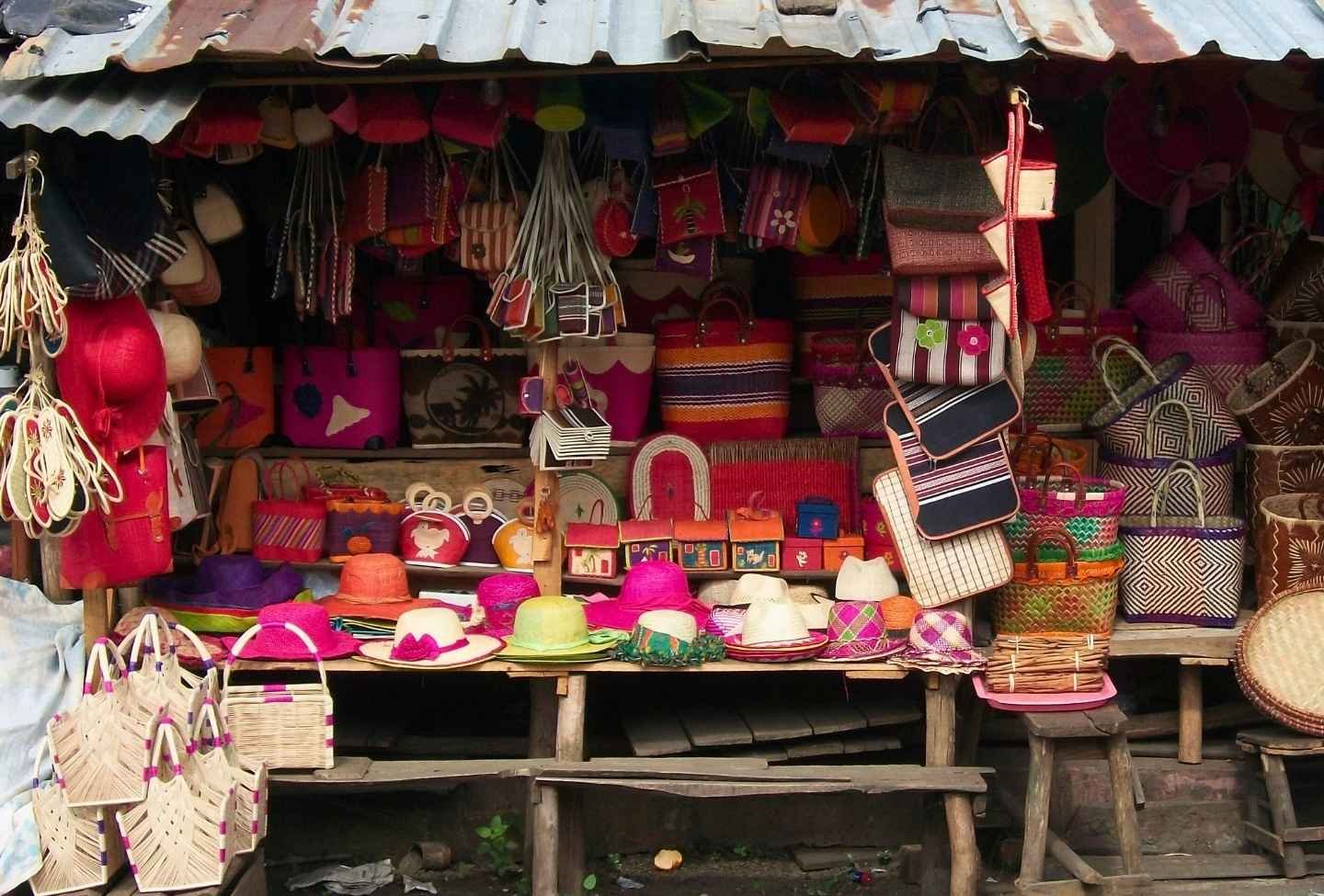
Brickaville: At the crossroads of the Pangalanes Canal and your East Madagascar tour
Brickaville—once an important center of colonial sugar production—is strategically located on the RN2, serving as a gateway to the eastern region and access to the Pangalanes Canal. Crossed by the Rianila River, it offers green landscapes and a “transition” atmosphere between the highlands and the coast. While the town itself is not a major tourist destination, its location makes it a relevant departure or arrival point for regional excursions.
From Brickaville, you can begin or end an exploration of the Pangalanes Canal by dugout canoe, observing life along this historic water route. The surrounding area is also well-suited for discovering sugarcane plantations and other tropical crops. Brickaville is a practical stop that fits perfectly into an East Madagascar Tour for travelers eager to explore the backcountry and the first stretches of the canal.
Manambato: The peaceful haven of Lake Rasoabe
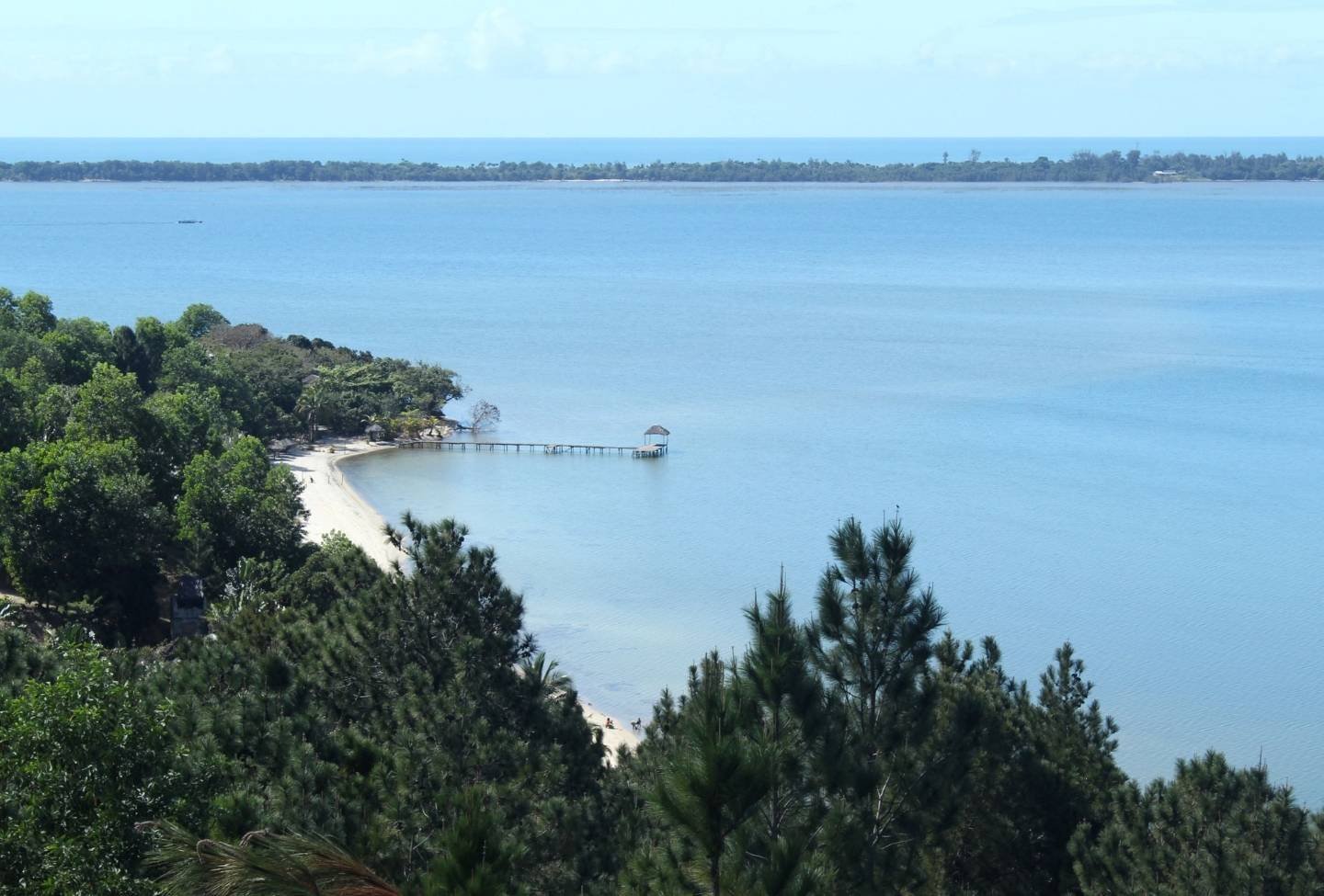
Manambato is a charming village on the shores of Lake Rasoabe, one of the many lakes connected to the Pangalanes Canal. Known for its natural beauty and serene atmosphere, it’s ideal for relaxation and water activities. The calm, refreshing lake is perfect for swimming, canoe-kayaking, and boat rides—exploring the green surroundings and small islets. It’s a popular nature break before or after immersion in the forests of Andasibe.
The village offers simple, authentic accommodation, often as lakeside bungalows, inviting you into local daily life. It’s also an excellent starting point for a dugout canoe journey along the Pangalanes Canal toward Akanin’ny Nofy. Manambato reveals a softer, more relaxing side of eastern Madagascar—a restful, picturesque stop for your East Madagascar Tour, far from the bustle.
Pangalanes Canal
The Pangalanes Canal: A historic, living waterway
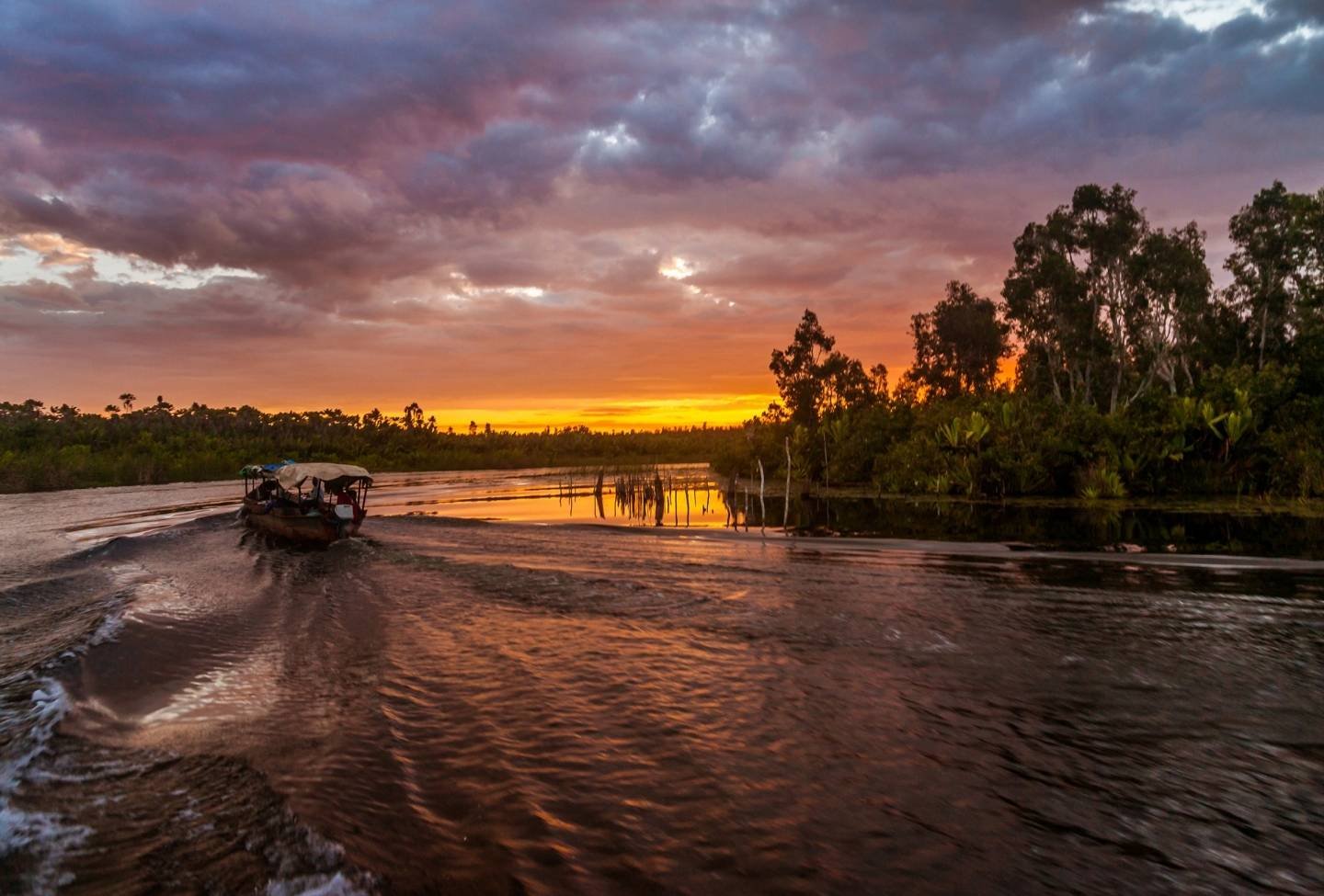
The Pangalanes Canal is a chain of natural lakes and rivers artificially linked during the French colonial era, forming an inland waterway parallel to Madagascar’s East Coast and stretching for nearly 600 km. Traveling the canal by dugout canoe or barge offers deep immersion into riverside communities, where you can observe traditional villages, floating markets, and authentic daily life
Far from road traffic, the canal provides a unique perspective on green landscapes, birdlife, and lush flora, including many aquatic plants. It also acts as an ecological corridor for various species. A journey along the Pangalanes Canal is slow, contemplative travel—full of unique encounters and an intimate understanding of Betsimisaraka culture—making it a memorable cornerstone of any East Madagascar Tour.
Akanin’ny Nofy – Palmarium: A haven of dreams and lemurs
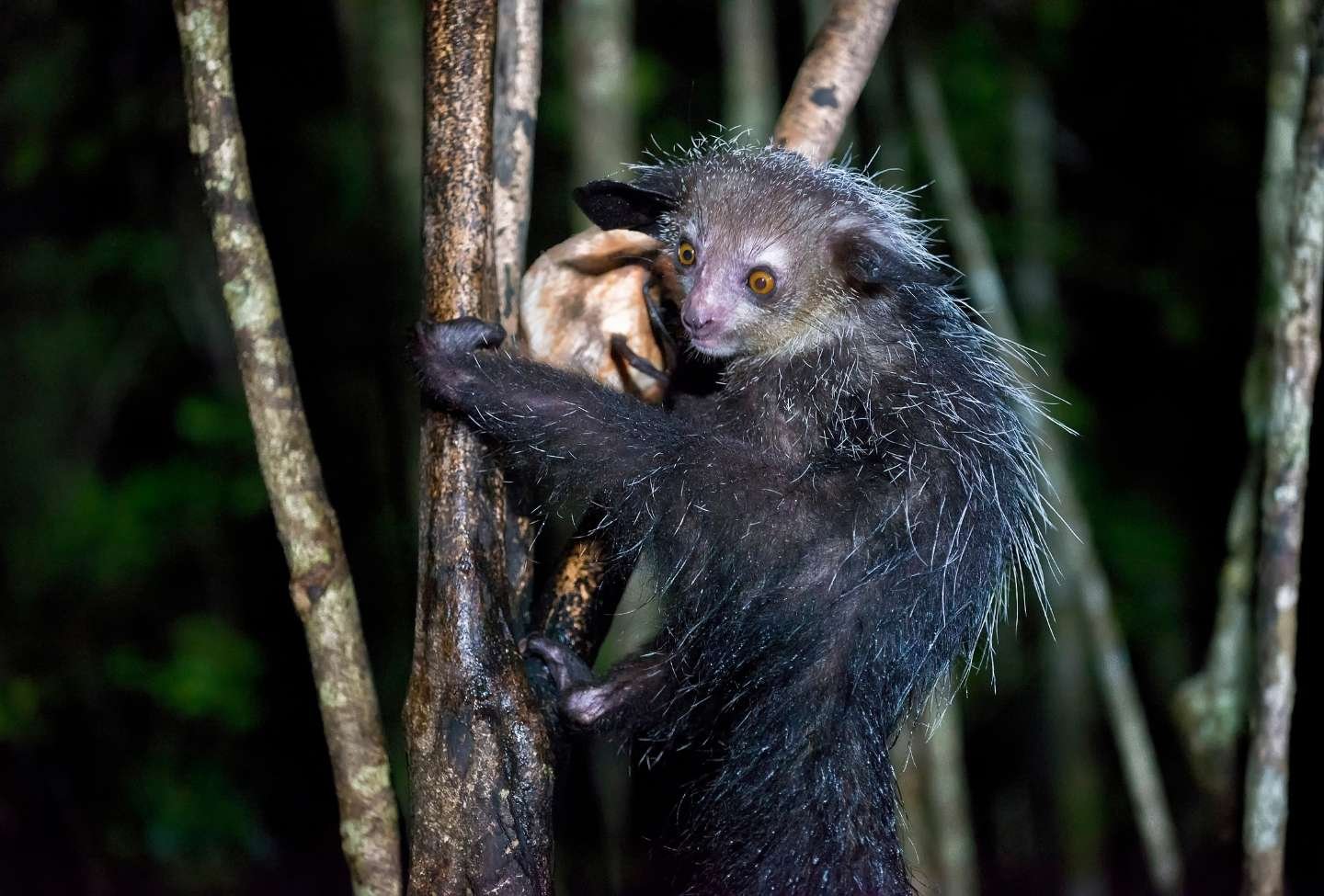
Nestled on the peaceful shores of Lake Ampitabe, a calm branch of the Pangalanes Canal, Akanin’ny Nofy—“the Nest of Dreams”—is an enchanting stop on Madagascar’s East Coast. It is home to the Palmarium, a private reserve and botanical garden known for its remarkable biodiversity. About a dozen iconic lemur species—such as the Indri indri and crowned sifaka—move in semi-freedom, enabling unforgettable close-up encounters in a preserved natural setting.
Palmarium also charms visitors with lush tropical flora, including a notable collection of rare palms and endemic plant species. As evening falls, night walks reveal another face of the reserve: in the forest shadows, you may be lucky enough to spot the elusive aye-aye, one of Madagascar’s most mysterious lemurs. A true haven of peace, Akanin’ny Nofy is a must on an East Madagascar trip—combining serenity, nature immersion, and unforgettable discoveries along the canal.
Palmarium Reserve
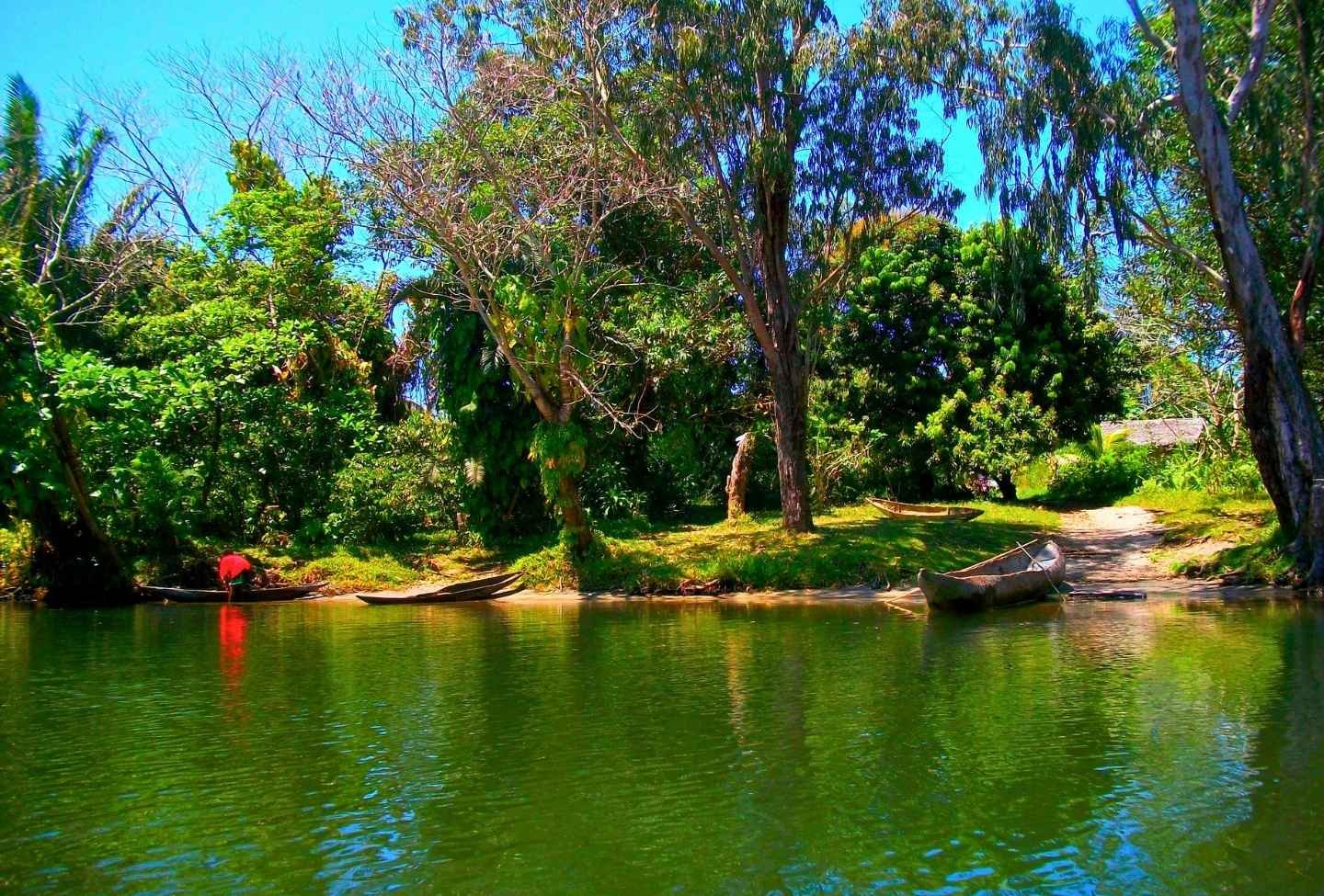
Vohibola Forest: Biodiversity sanctuary and reforestation
On the East Coast, Vohibola Forest is one of the last remnants of Madagascar’s littoral forest—an ecosystem that is rare and fragile. This reserve shelters outstanding biodiversity, including emblematic lemurs like the aye-aye, and endemic flora adapted to sandy soils. Vohibola is also a powerful symbol of local reforestation efforts and community-based conservation, illustrating both nature’s resilience and residents’ commitment.
Along guided trails, visitors discover a rich environment while learning about sustainable development and the protection of Malagasy forests. This responsible ecotourism stop offers a unique immersion into local initiatives, making Vohibola Forest an essential highlight of an East Madagascar Tour focused on nature and the future.
Toamasina and the coastal region: Port, beaches & local wildlife
Discover the energy of the East’s largest port city and the seaside charms of its surroundings—an essential dimension of your East Madagascar Tour.
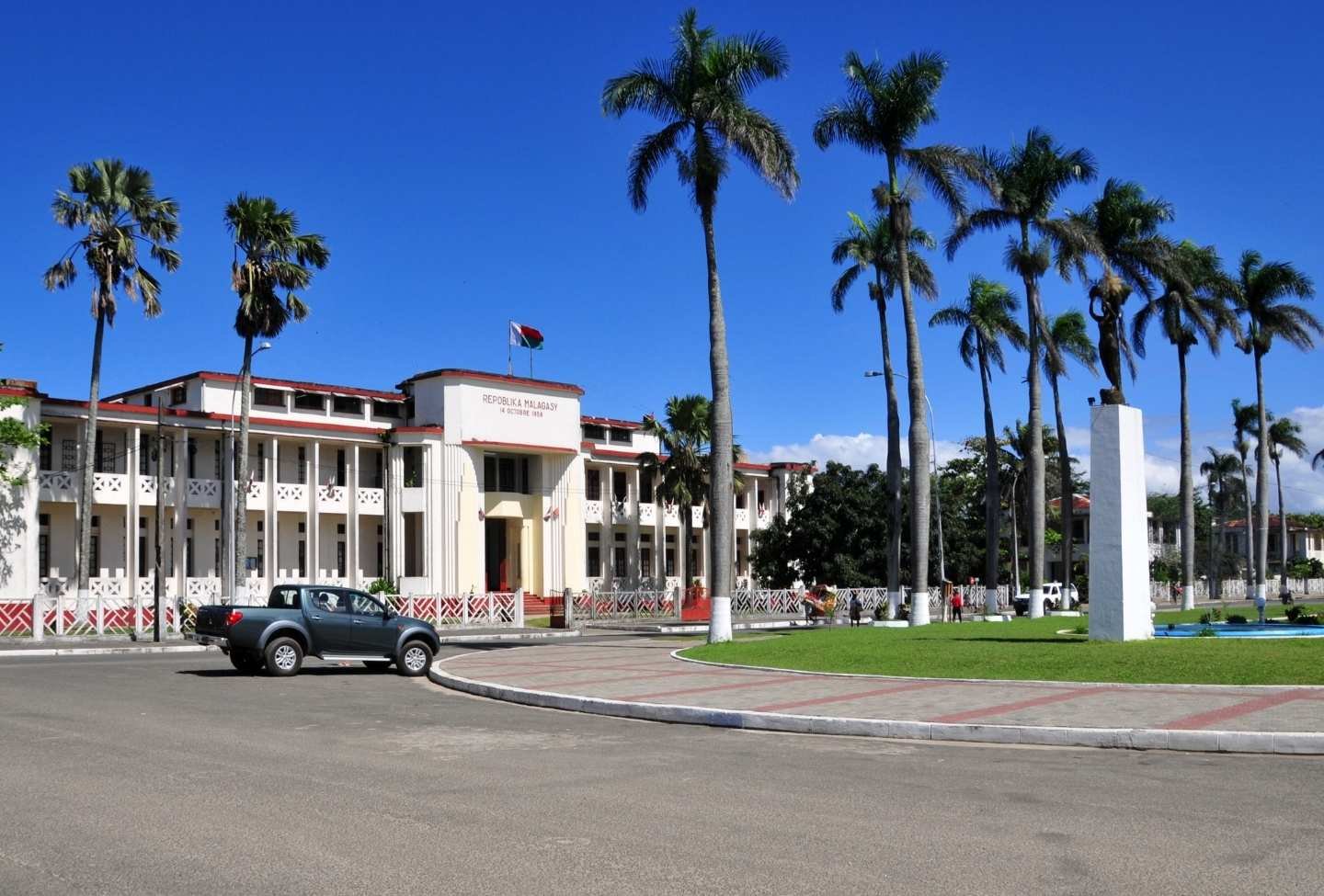
City of Toamasina
Toamasina (Tamatave): The East’s ocean gateway
Toamasina—commonly called Tamatave—is Madagascar’s largest port city and a major economic center on the East Coast. Its lively port, broad palm-lined avenues, and colonial architecture make it vibrant, blending commercial energy with a relaxed tropical vibe. It is the country’s main maritime entry point and a key hub for trade in local products such as cloves, vanilla, and coffee.
The city offers immersion into Malagasy urban life with colorful markets, iconic rickshaws (pousse-pousse), and a lively seafront promenade. While less focused on “pure beach tourism,” Toamasina is an interesting stop to understand the East’s economy and culture. It is also a starting point for exploring the northern Pangalanes Canal or nearby beaches. Visiting Toamasina adds a dynamic, different perspective to your East Madagascar Tour.
Ivoloina Zoo Park: Conservation and environmental education
A few kilometers north of Toamasina, Ivoloina Zoo Park is a key institution for conserving eastern Madagascar’s fauna and flora, and an environmental education center. Managed by the Madagascar Fauna and Flora Group (MFG), the park shelters an impressive collection of endemic species—lemurs (including black-and-white ruffed lemurs and red-bellied lemurs), reptiles, amphibians, and birds—many of them threatened in their natural habitat.
Well-designed walking paths allow visitors to observe animals in spacious enclosures that replicate their natural environment. It’s an ideal place to learn about conservation in Madagascar and the importance of biodiversity. Visiting Ivoloina is an enriching, accessible activity for an East Madagascar tour—especially for families and travelers who want to see island wildlife up close while supporting an important cause.
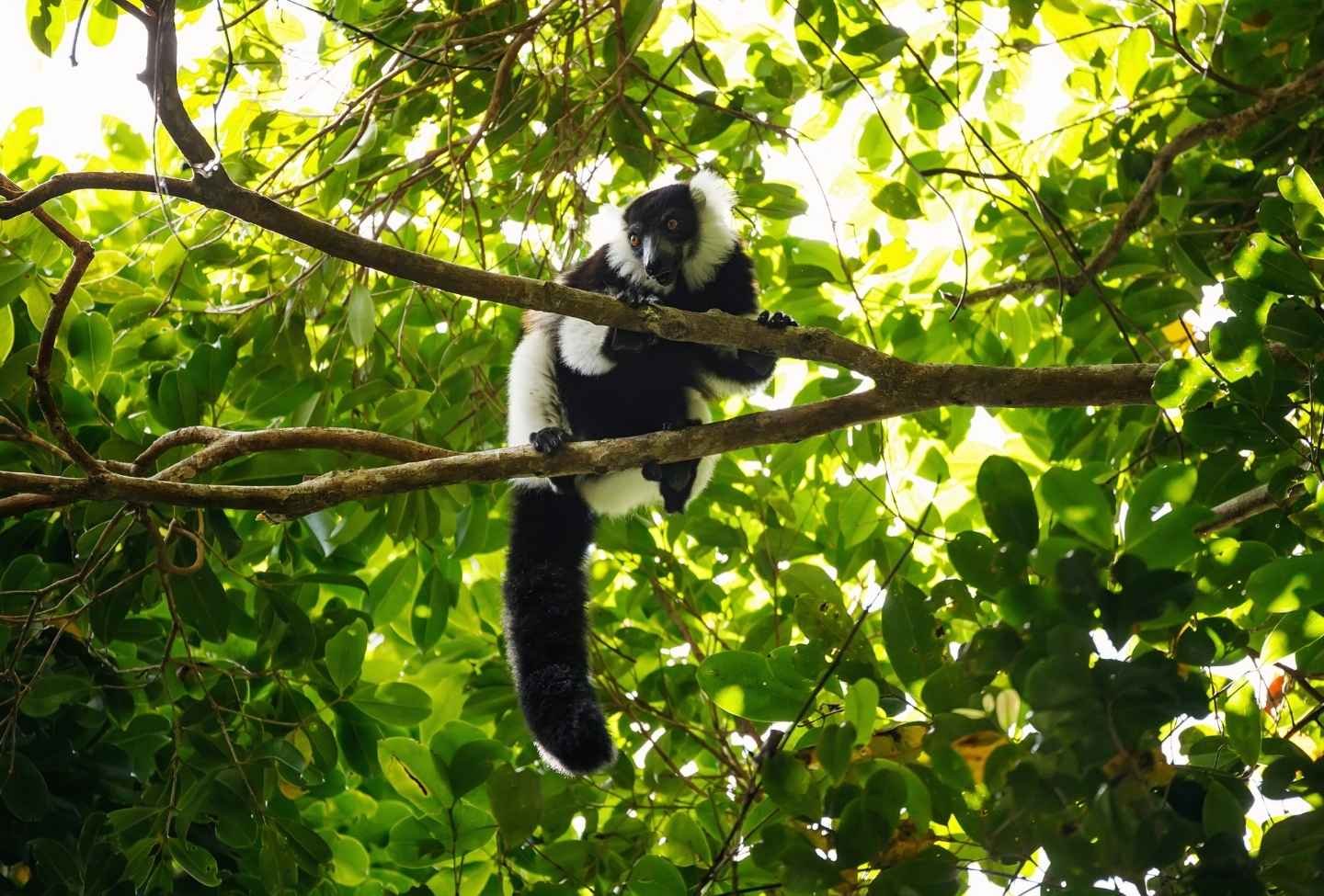
Ivoloina Park
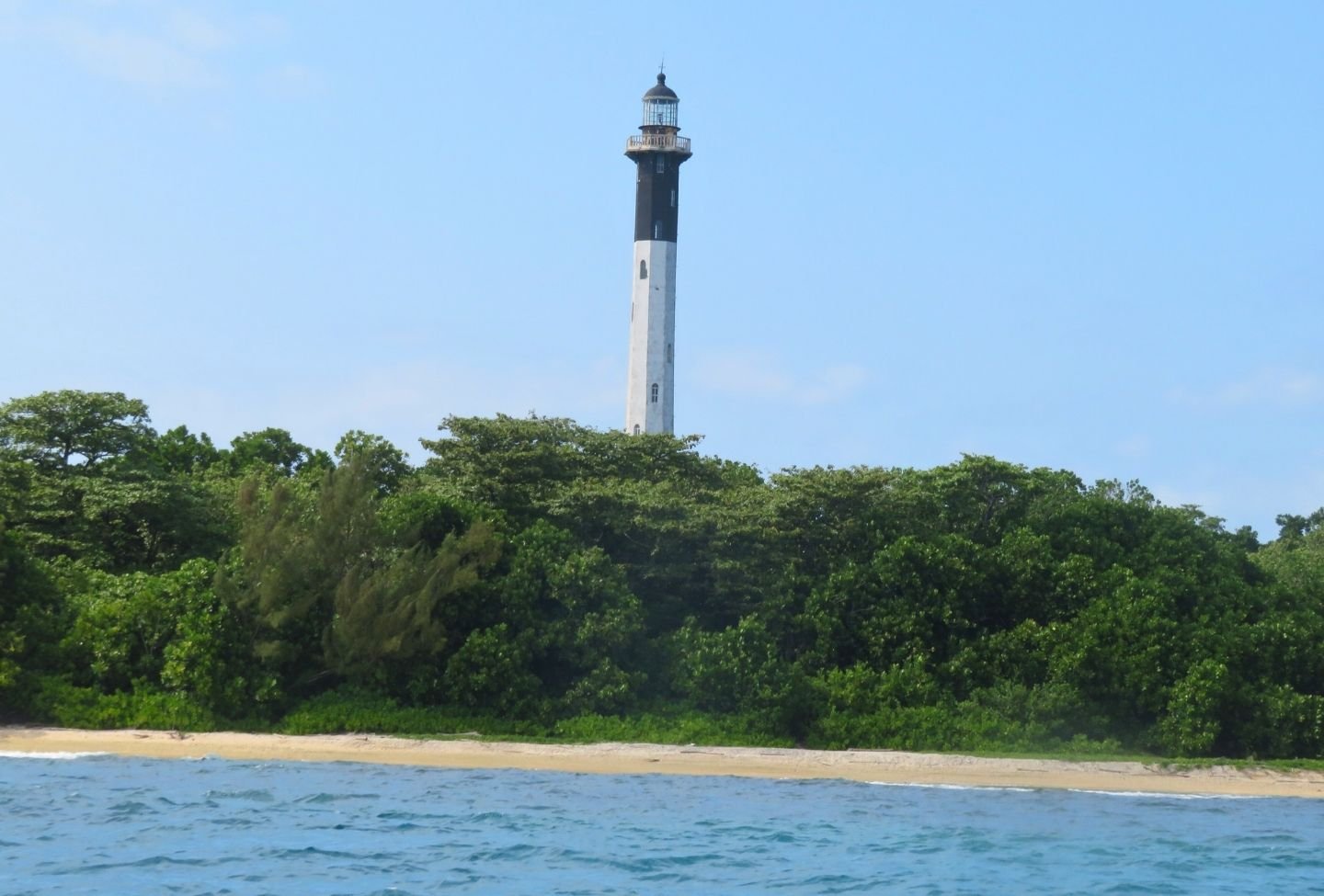
Île aux Prunes :The East’s lighthouse
Île aux Prunes (Nosy Alanana) is a small, picturesque island off Toamasina, famous for hosting Madagascar’s largest lighthouse. The island stands out for its natural beauty, quiet beaches, and panoramic views over the Indian Ocean and the East Coast. Access is usually by boat, making for a pleasant sea excursion from Toamasina.
Beyond its lighthouse role, the island is a peaceful spot to relax, swim in clear waters, and enjoy wild nature. It is popular for picnics and day trips. Île aux Prunes is a charming getaway that adds a coastal discovery and viewpoint dimension to your East Madagascar Tour.
Foulpointe : Beach relaxation and pirate history
About 60 km north of Toamasina, Foulpointe (Mahavelona) is one of the East Coast’s most popular beaches, known for calm waters and a lagoon protected by a coral reef. It’s ideal for swimming, snorkeling, and relaxing, with fine sand, coconut trees, and a friendly atmosphere—plus beach restaurants serving fresh seafood.
Beyond the seaside, Foulpointe is also rich in history, having been a former trading post and pirate hideout. Fort Manda, built in the early 19th century, reflects this turbulent past and offers a panoramic view of the lagoon. Foulpointe is a perfect stop for a relaxing, historic break on your East Madagascar Tour, blending sun, sea, and cultural discovery.
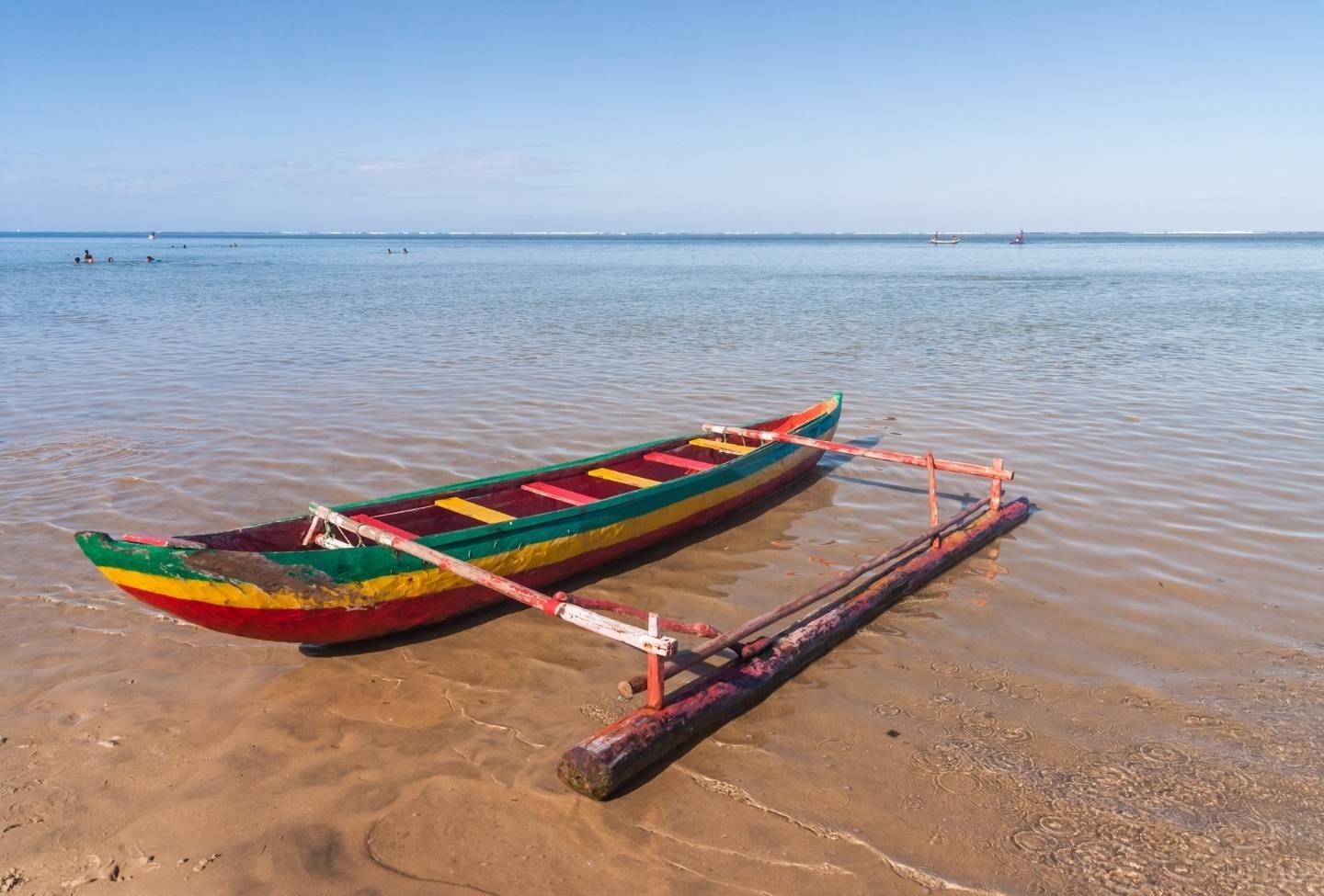
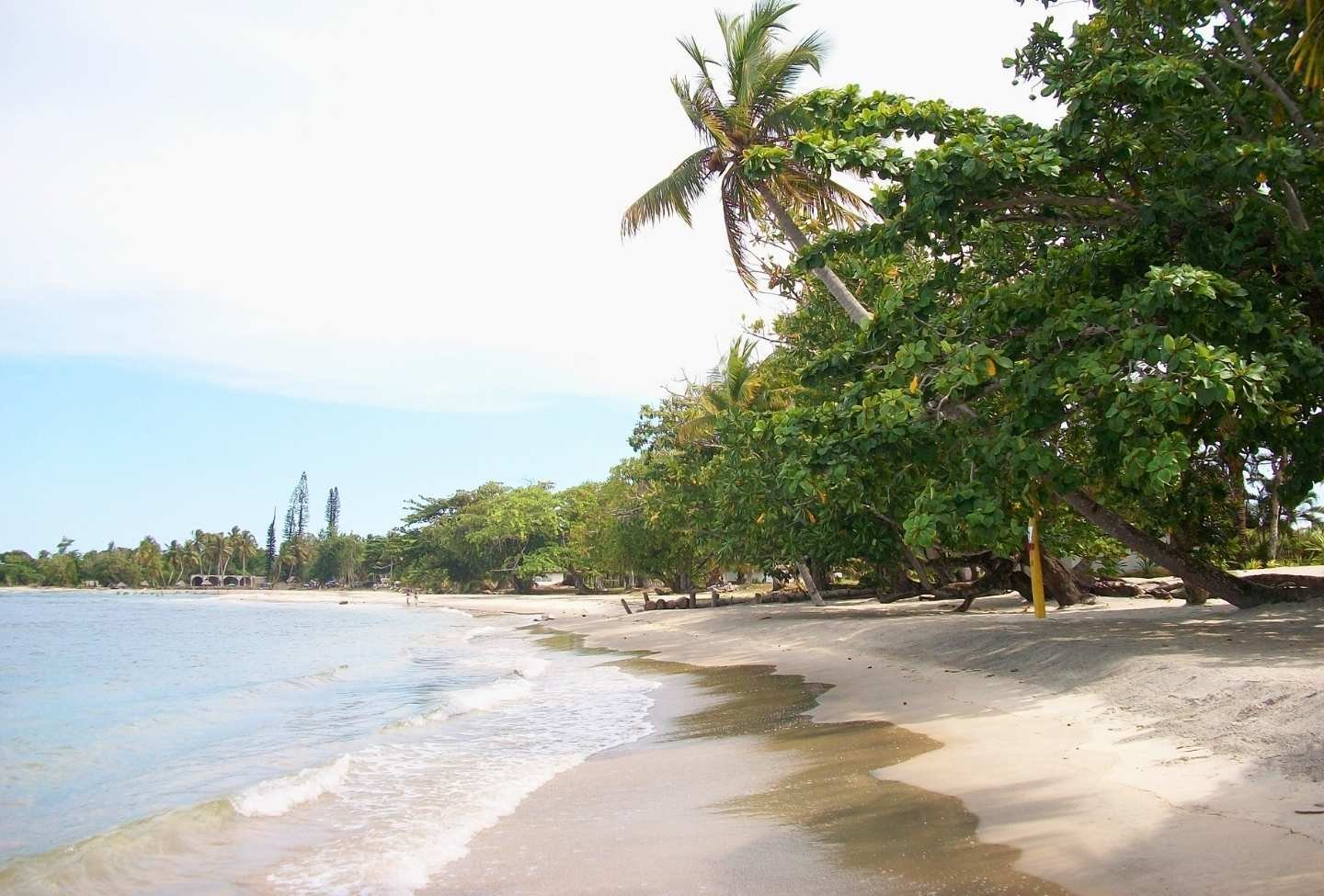
Mahambo: A surfer’s paradise with an authentic vibe
Mahambo, a coastal village north of Foulpointe, is an up-and-coming destination for surfers and for travelers seeking a more relaxed, authentic beach atmosphere on the East Coast. Its waves—well-suited to beginners and intermediate surfers—are drawing a growing community. Beyond watersports, Mahambo appeals with its peaceful natural setting, coconut-lined beaches, and village life shaped by traditional fishing.
The village offers immersion into Betsimisaraka fishers’ daily routines, with lively local markets and the chance to enjoy fresh seafood. Simple, charming accommodation contributes to the laid-back atmosphere. Mahambo is an excellent stop for younger travelers and those seeking a more active, less touristy beach experience—adding a surf-and-authenticity note to your East Madagascar Tour.
The North-East: Rainforests and wild bays
This more remote northeastern region is a biodiversity sanctuary offering deep ecotourism experiences—ideal for adventurers seeking authenticity on their East Madagascar Tour.
Fenerive Est
Fénérive Est : Spice aromas and pirate memorie
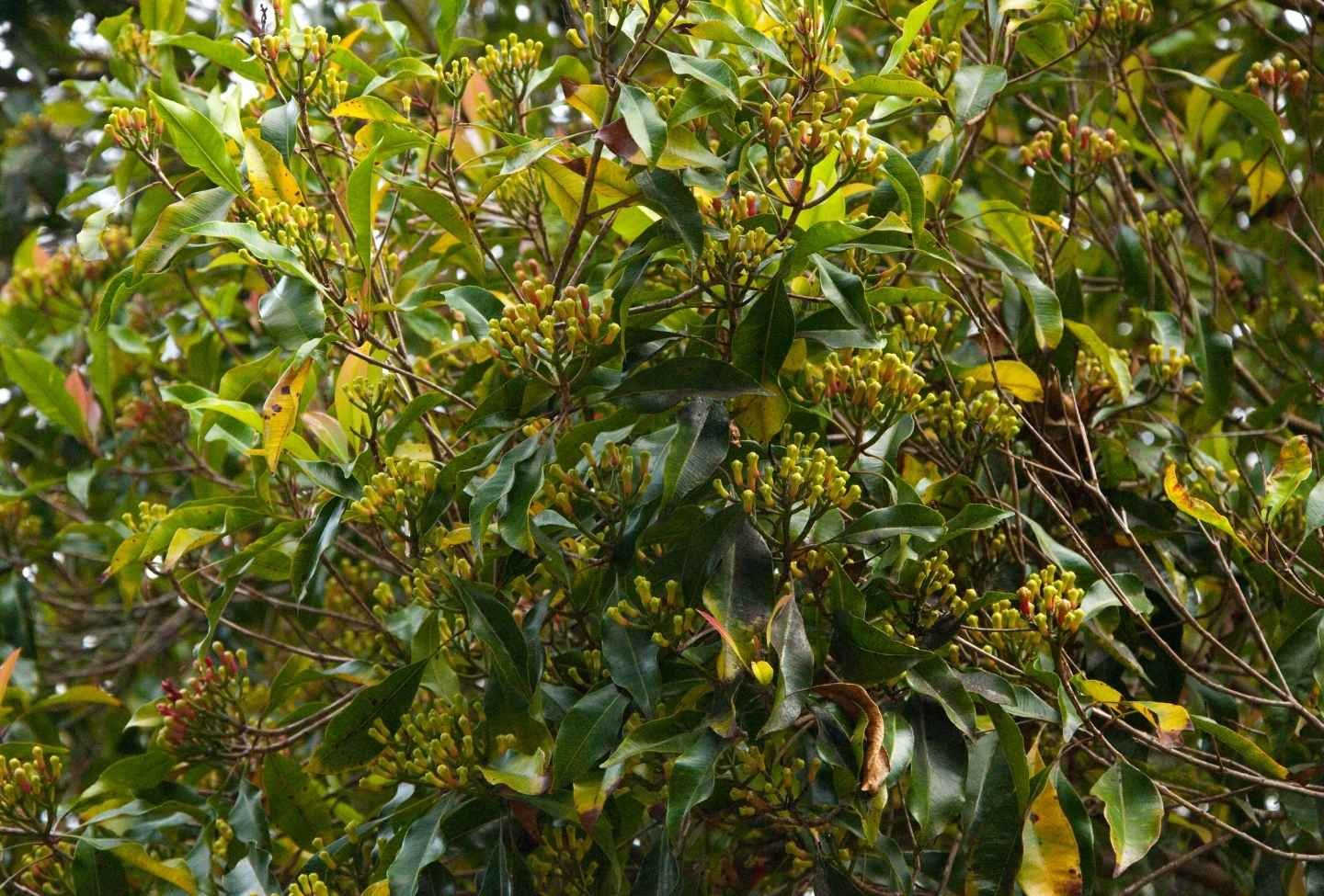
North of Toamasina, Fénérive Est (Fenoarivo Atsinanana) is a coastal town shaped by the history of maritime trade. Known for clove and lychee plantations, it comes alive during harvest season, when the air fills with sweet and spicy scents. Between the 17th and 18th centuries, the area was also a passage point for pirates who used its coves and coastal forests as natural shelters—much like their famous counterparts on Sainte-Marie Island.
Today, the town blends this discreet maritime past with local life centered on agriculture and the sea. You can visit plantations, explore markets, and sometimes hear old stories about ancestors arriving on distant ships. Fénérive Est offers a distinctive stop on an East Madagascar journey—between buccaneer memories, farming traditions, and coastal gentleness.
Mananara Nord National Park: Biodiversity and coastal villages
On the northeast coast, Mananara Nord National Park is a unique biodiversity site combining dense rainforest areas and a protected marine zone. This dual nature makes it exceptional for ecotourism, with opportunities to observe lemurs such as the aye-aye and black-and-white ruffed lemur, along with rich birdlife and endemic flora. The marine section protects vibrant coral reefs, seagrass beds, and mangroves—vital to marine ecosystems.
The park is also known for traditional coastal villages, where visitors can interact with local communities and discover lifestyles shaped by fishing and agriculture. Mananara Nord is for travelers seeking a complete experience—wild nature immersion and authentic cultural discovery—promising memorable findings on land and at sea.
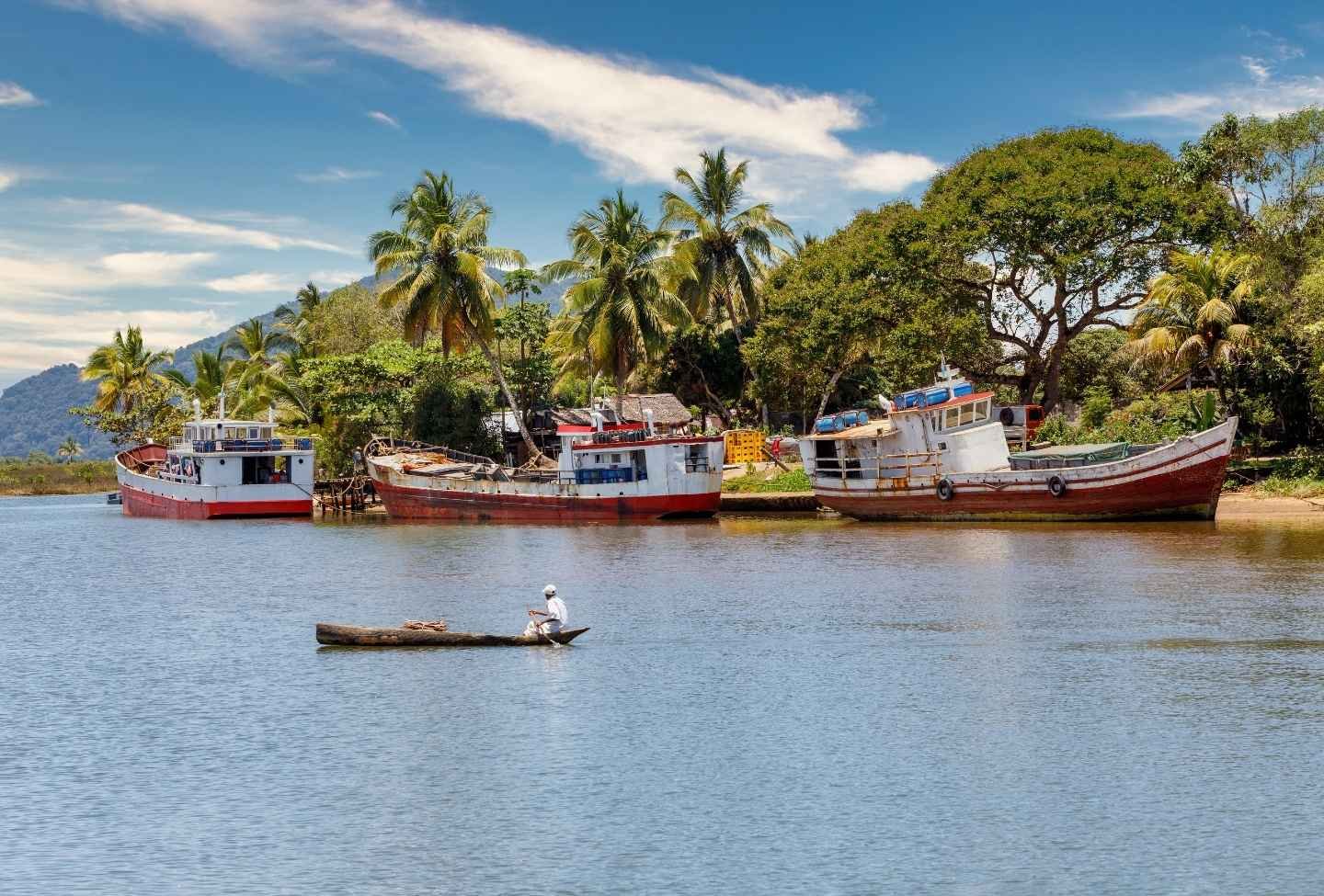
Maroantsetra: Gateway to Antongil Bay and Masoala
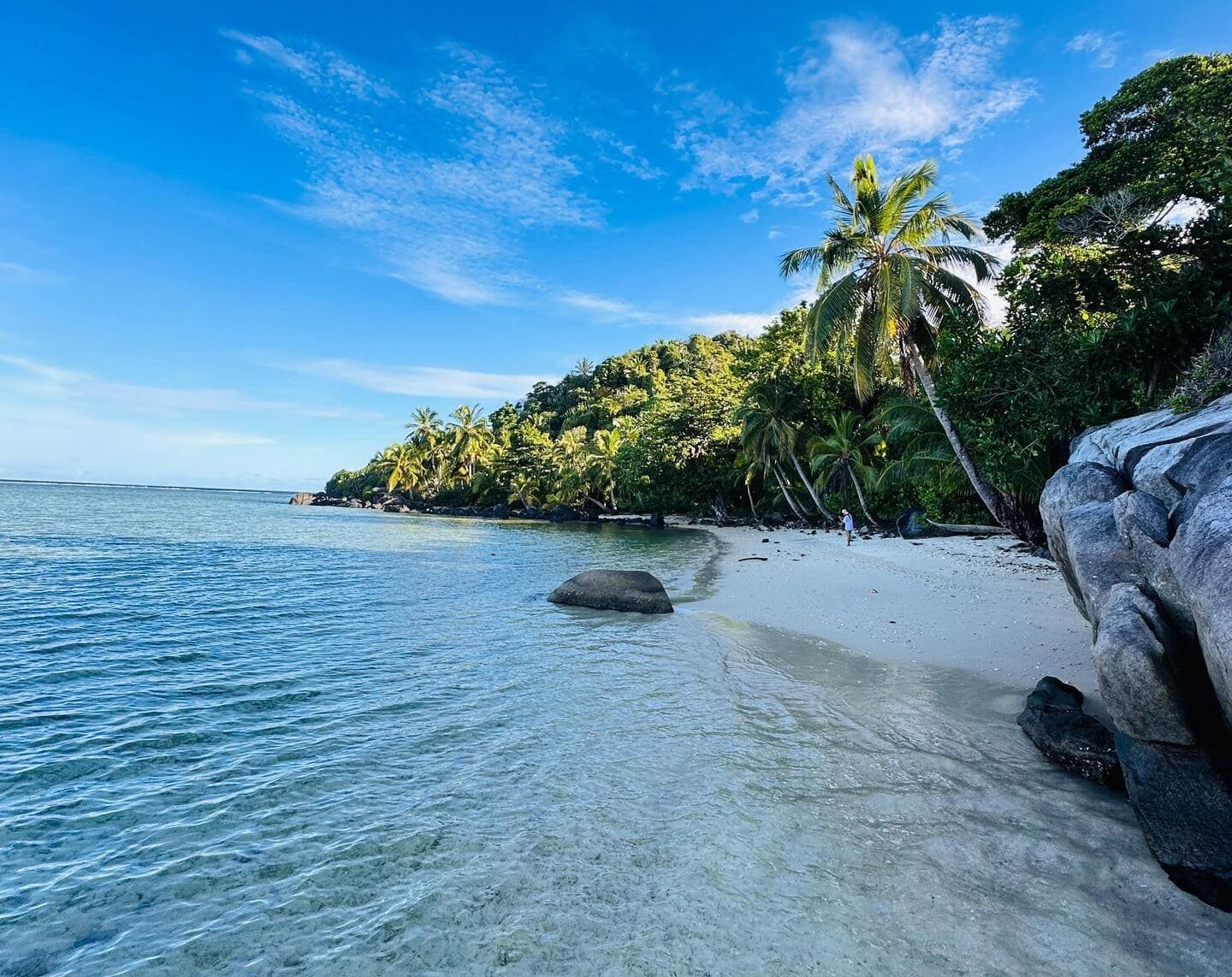
Maroantsetra, at the end of the national road and at the back of vast Antongil Bay, is an isolated town that serves as the starting point for exploring one of Madagascar’s richest, most preserved ecosystems: Masoala National Park. The town itself is modest, with an “end-of-the-world” atmosphere, local markets, and a port where boats depart for Masoala or Nosy Mangabe.
Maroantsetra is a strategic base for deeper adventures in primary rainforest and for discovering local cultures. For an East Madagascar trip focused on adventure and wild nature exploration, Maroantsetra is a key and promising stage.
Nosy Mangabe: Nocturnal lemurs and ancient engravings
In Antongil Bay, opposite Maroantsetra, Nosy Mangabe is a small forested island designated as a special reserve—an outstanding biodiversity sanctuary. This dense, lush island is one of the best places to observe the aye-aye during guided night walks. It also shelters other diurnal lemurs, chameleons, and endemic flora.
Nosy Mangabe is also rich in history, with rock engravings dating back to the 17th century left by Dutch sailors, adding a cultural dimension to the natural discovery. Hiking trails cross the forest toward isolated beaches. Nosy Mangabe is an essential excursion from Maroantsetra, offering a unique, immersive experience for nature and history lovers on their East Madagascar Tour.
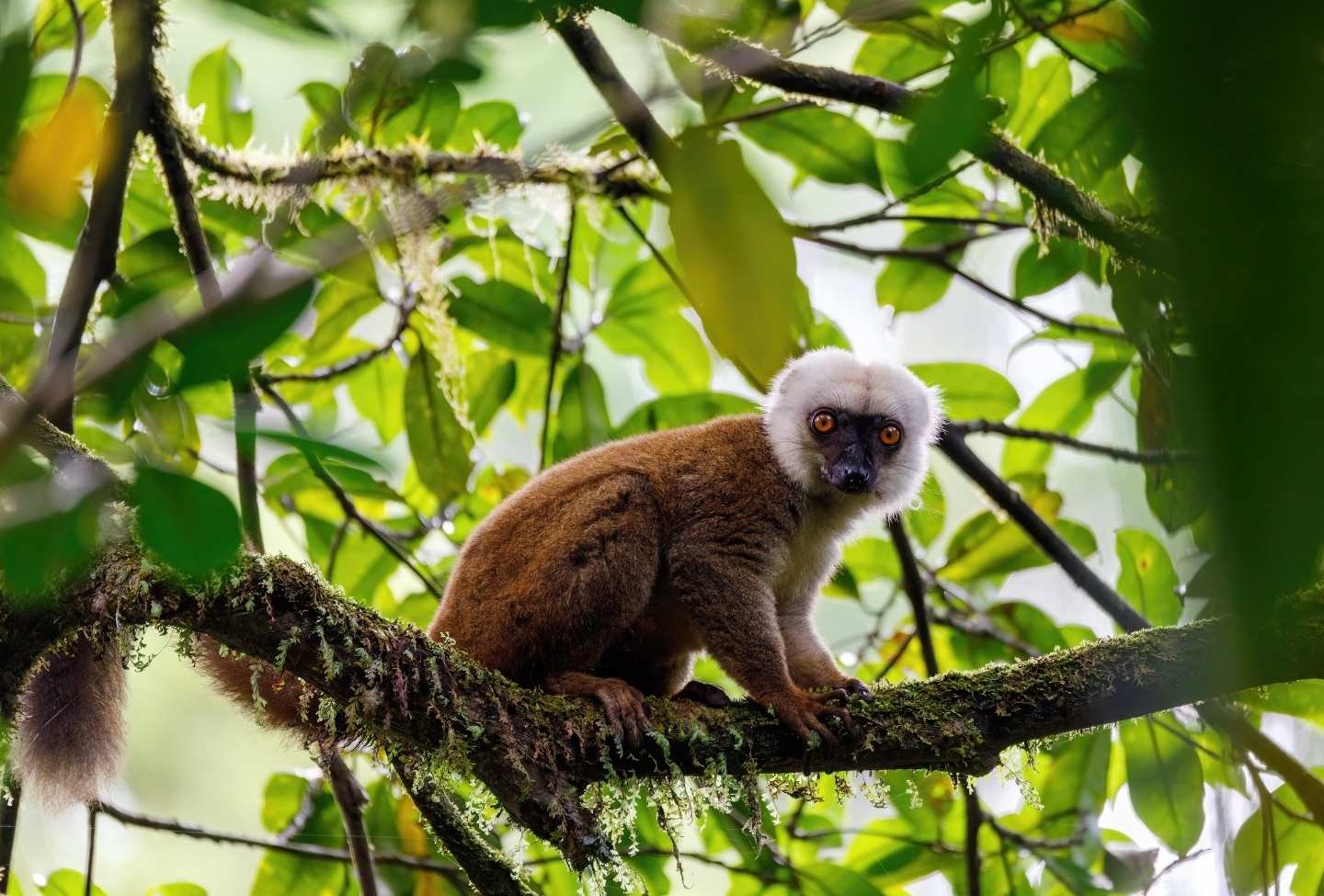
Nosy Mangabe Park

Masoala Park
Masoala National Park: The largest protected rainforest
Masoala National Park, on a large peninsula in northeastern Madagascar, is the island’s largest protected area and a total immersion into primary humid tropical rainforest. It is part of the UNESCO serial World Heritage site “Rainforests of the Atsinanana,” and it includes both terrestrial zones and marine parks that protect coral reefs and abundant marine life.
Exploring Masoala is a true expedition, often done as camping trips or by staying in integrated ecolodges. It’s a chance to experience deep adventure in near-virgin nature, observe species found nowhere else, and understand the crucial importance of conservation. Masoala is a dream destination for ecotourists and adventurers—the pinnacle of an East Madagascar Tour for those seeking authenticity and exploration.
The East’s Islands: Natural paradises
These iconic islands off the East Coast are gems offering idyllic beaches, marine richness, and fascinating history—perfectly rounding out your East Madagascar Tour.
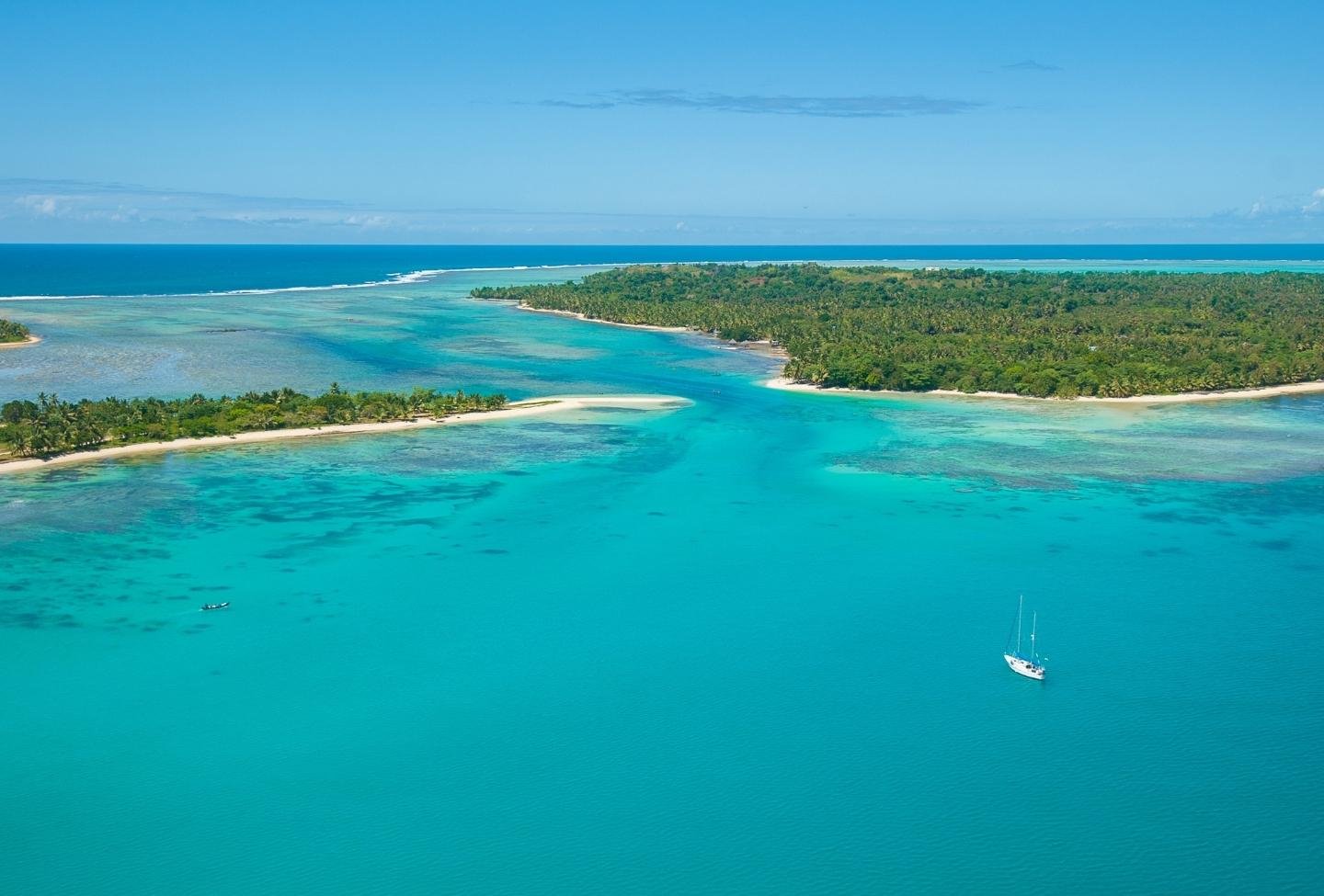
Sainte-Marie Island
Île Sainte-Marie: Pirate history and tropical paradise
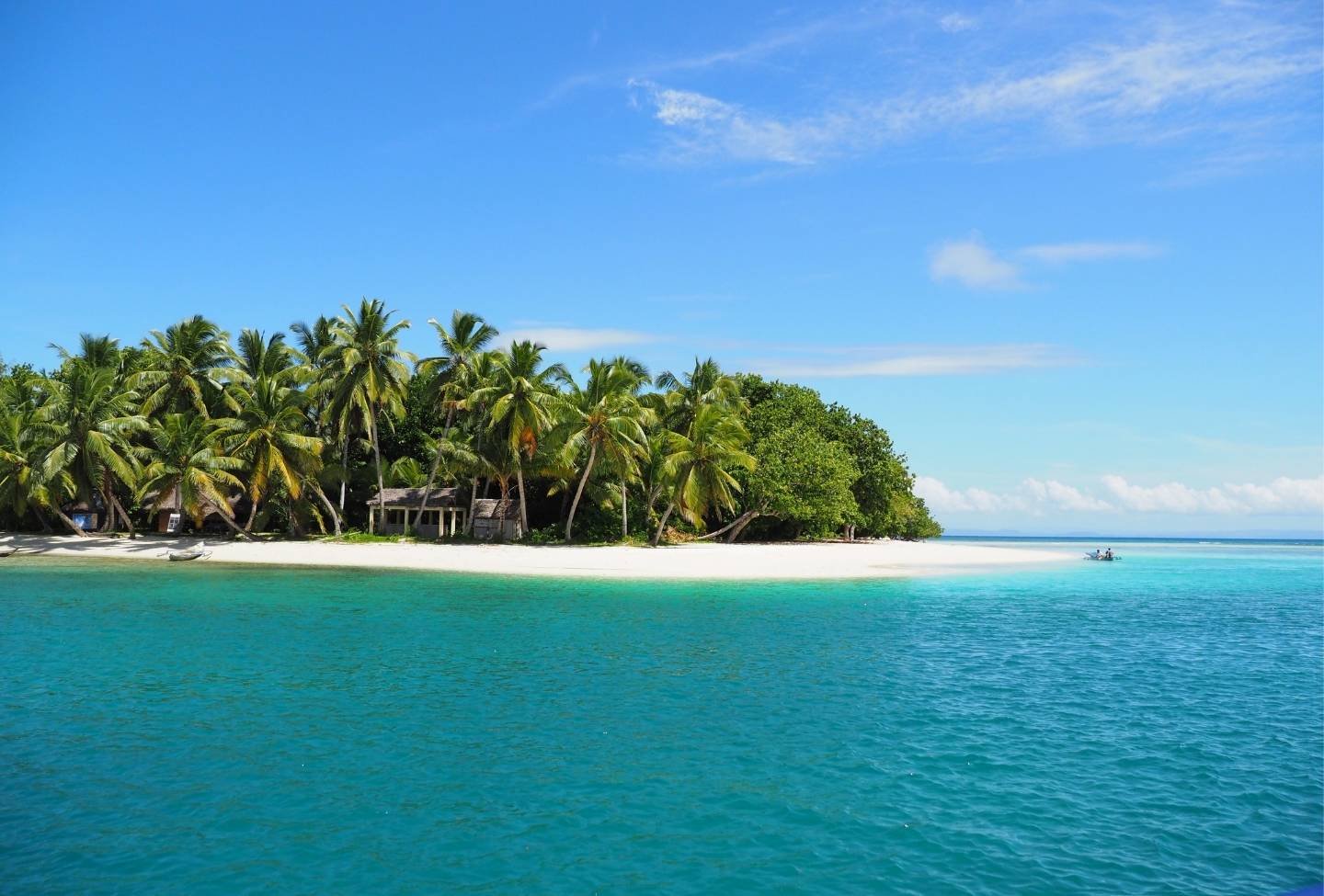
Île Sainte-Marie (Nosy Boraha) is a jewel of Madagascar’s East Coast, famous for coconut-lined paradise beaches, turquoise waters, and a fascinating history as a pirate haven in the 17th and 18th centuries. Its laid-back atmosphere, isolated coves, and colorful fishing villages make it ideal for seaside relaxation and exploration. The pirates’ cemetery—unique in the world—echoes this past.
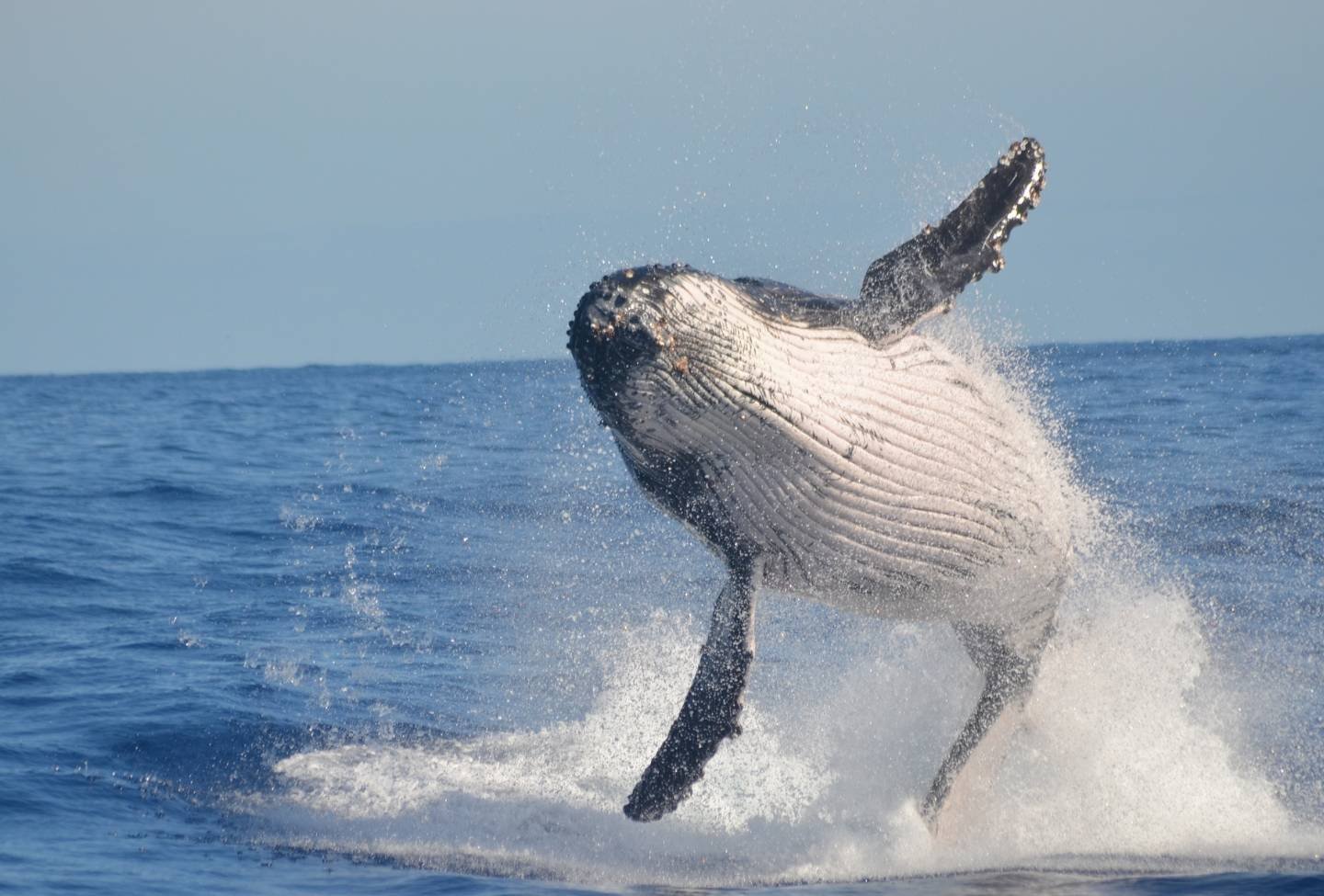
Sainte-Marie is also renowned as one of the world’s best spots for observing humpback whales, which come to breed from July to September. Diving and snorkeling on its vibrant coral reefs are also exceptional. The island offers a perfect blend of history, lush nature, and marine activities. No East Madagascar Tour is complete without an extended stop on this iconic, enchanting island.
Île aux Nattes: A sanctuary of serenity
Just south of Sainte-Marie and accessible via a short dugout canoe crossing, Île aux Nattes (Nosy Nato) is an immaculate pearl of tranquility and natural beauty. With no cars and no paved roads, it’s a total escape from the modern world, with pristine white-sand beaches, swaying coconut trees, and crystal-clear waters inviting you to swim and unwind. The atmosphere is peacefully serene, far from any bustle.
Activities are simple: beach walks, snorkeling in the protected lagoon, visiting small local villages, and tasting fresh seafood. It’s the perfect place to disconnect and enjoy nature in its purest form. Île aux Nattes is the ideal extension to a Sainte-Marie stay, adding a touch of isolation and purity to an East Madagascar journey focused on relaxation and harmony with nature.
East Madagascar itinerary ideas: A trip designed for you with Lemur Safari
To guide you in discovering the East Coast, Lemur Safari offers a selection of itineraries—from classic to adventurous—each fully customizable to your desires, pace, and budget.
Tour:
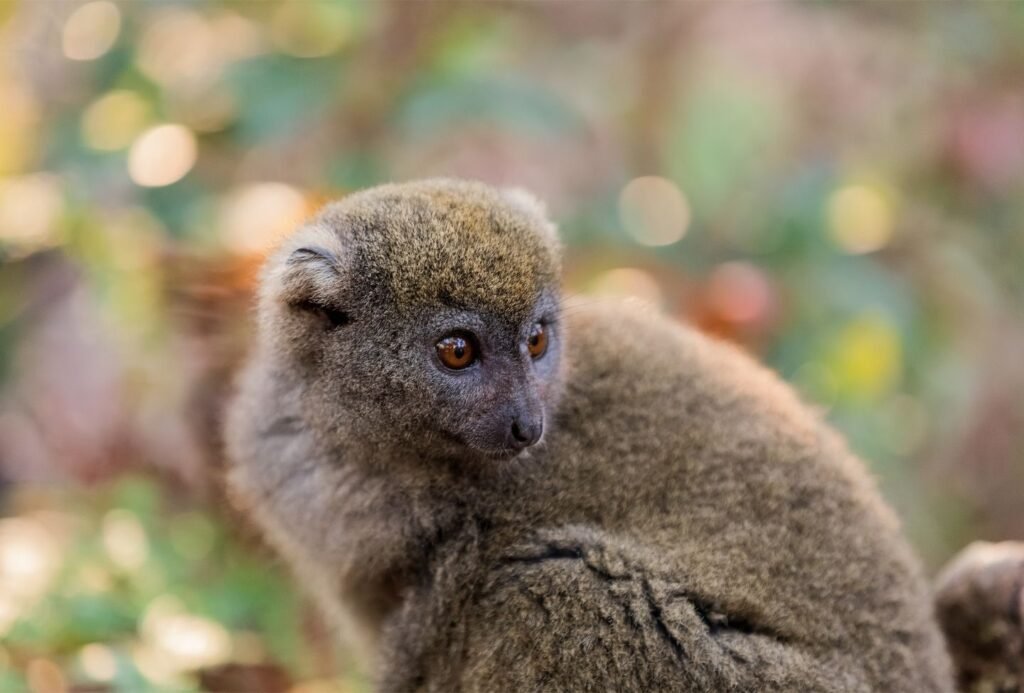
East treasures & the Pangalanes Canal
Itinerary: Antananarivo – Peyrieras Reserve – Andasibe – Manambato – Akanin’ny Nofy (Palmarium) – Toamasina – Antananarivo (or return flight from Toamasina)
Duration: from 7 days
Transport: private 4×4, boat on the canal
This tour immerses you in eastern Madagascar’s natural and cultural richness. It starts with a fascinating encounter with reptiles and amphibians at Peyrieras Reserve, continues with Andasibe’s lemurs, then offers a unique Pangalanes Canal immersion with a magical night at Akanin’ny Nofy. You’ll then explore the port city of Toamasina and its surroundings. This tour offers the perfect balance of biodiversity and river adventure for a well-rounded East Madagascar Tour.
Tour:
Adventure & island paradise in the East
Itinerary: Antananarivo – Andasibe – Toamasina – Foulpointe/Mahambo/Soanierana Ivongo – Île Sainte-Marie – Île aux Nattes – Antananarivo (or return flight from Sainte-Marie)
Duration: from 9 days
Transport: private 4×4, ferry/speedboat, domestic flight
Designed for nature and island lovers, this itinerary combines primary forests with the charm of the East’s islands. After Andasibe and the Indri indri, you head to the coast to catch a boat to Île Sainte-Marie—former pirate haven and humpback whale paradise. An extension to Île aux Nattes delivers pure serenity. This East Coast Madagascar trip is ideal for unique wildlife encounters, marine activities, and pure relaxation on idyllic beaches.
Tour:
Wild East—Masoala & Antongil Bay
Itinerary: Antananarivo (flight) – Maroantsetra – Nosy Mangabe – Masoala National Park – Mananara Nord – Antananarivo (flight)
Duration: from 12 days
Transport: domestic flights, local boat
For seasoned explorers and ecotourism enthusiasts, this tour goes deep into Madagascar’s most preserved ecosystems. After flying to Maroantsetra, you set out to discover the aye-aye on Nosy Mangabe and explore the unique richness of Masoala National Park, the island’s largest protected rainforest. A visit to Mananara Nord completes this biodiversity immersion. This East Madagascar Tour is a true expedition into wild, authentic nature.
Nosy Mangabe Park
Everything you need to plan your East Madagascar trip
From mysterious primary forests to wild beaches, East Madagascar invites you to a journey filled with encounters, emotions, and natural discoveries. Each stop reveals a new face of the island—astonishing biodiversity, living traditions, and breathtaking scenery.
What if your East Madagascar adventure started now?
One message is all it takes to set your trip in motion. Together, let’s create an itinerary that feels like you—authentic experiences, at your own pace, aligned with your wishes and your budget.