
Best Time to Visit Madagascar The Month-by-Month Guide
Climate, seasons and the best time to go, based on what you actually want to see, not a generic answer.

The best time to visit Madagascar runs from April to October, during the dry season, also called the austral winter. If you want a single rule of thumb: April, May, September and October offer the best balance of mild weather, passable tracks and reasonable crowds. The months of January to March concentrate the rains and cyclones on the east and northeast coasts: that’s the period to avoid for a first trip.
But Madagascar is an island 1,580 km long. The climate is not the same on Nosy Be, in the Isalo canyon or on the highlands around Antananarivo. We’re based in Toamasina, on the east coast, and we run tours year-round: this guide gathers what we actually observe on the ground, region by region and month by month.
Key takeaways
- Dry season (April-October): the ideal window for most tours, with a comfort peak in May and September-October.
- Rainy season (November-March): heat, lush vegetation, lower prices, but a cyclone risk in the East from January to March and some tracks cut off.
- By region: the West and the Tsingy are for June to November; the North and Nosy Be from April to December; the highlands almost year-round, with cool nights in winter.
- By project: whales at Sainte-Marie from July to September, newborn lemurs from September to November, hiking in the Isalo from May to September.
- Your tour dates mostly follow what you want to see: we adapt the itinerary to the season.
When to go: the summary in one table
Every region of Madagascar has its own ideal window. Here’s the overview we give our travelers before setting any dates.
Region | Best months | Avoid | Why |
|---|---|---|---|
North & Nosy Be | April to November | February-March | High sunshine, warm sea; diving best in October-December |
East, Andasibe & Sainte-Marie | April to December (outside alerts) | January-March | Rainforest year-round; whales July to September; RN5 degraded in the rain |
West, Tsingy & Baobab Alley | June to November | December-April | Access track to the Tsingy impassable in the rainy season |
South, RN7 & Isalo | April to October | January-February | Dry, sunny climate; strong heat from November to March |
Highlands (Antananarivo) | April to November | peak rains in January-February | Mild by day; cold nights June to August; jacarandas in October-November |
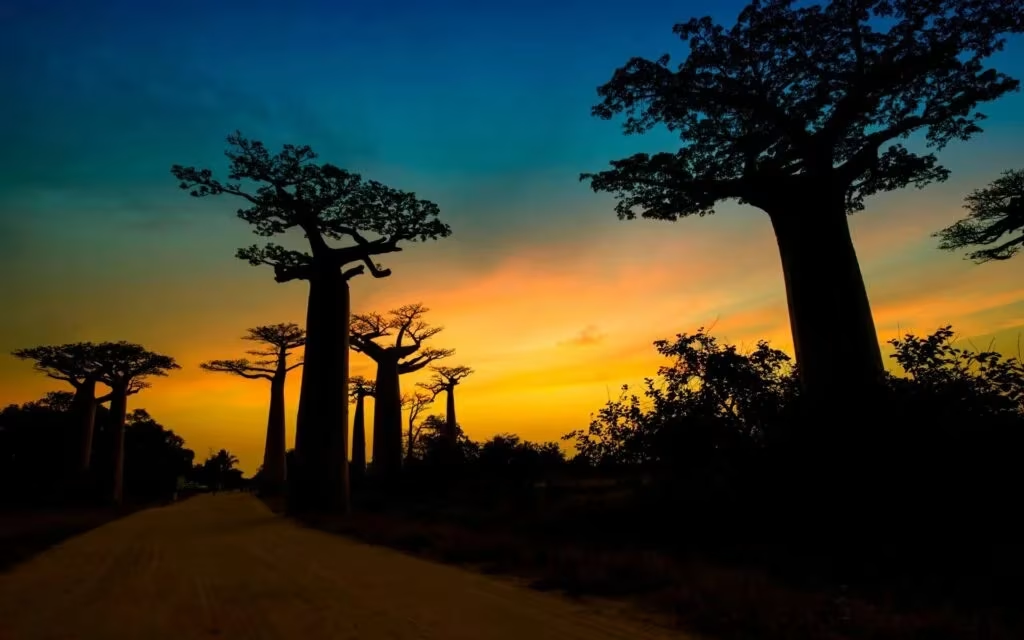
Baobab Alley is a road lined with centuries-old baobabs near Morondava, in the West. The Tsingy de Bemaraha are a limestone pinnacle massif, a UNESCO World Heritage site, accessible only in the dry season.
Understanding Madagascar’s climate
Madagascar is in the southern hemisphere: the seasons are reversed compared with Europe. The austral winter is the dry, cool season, from April to October. The austral summer is the hot, humid season, from November to March. There are only two real seasons, not four.
The dry season: April to October
This is the peak tourist season, and for good reason. The air is dry, the days sunny, the tracks firm, the mosquitoes fewer. On the highlands, expect 20-25 °C by day but sometimes 5-10 °C at night in June-July; on the coasts the air stays pleasant, around 25-30 °C. The trade winds blow from the southeast and cool the eastern side of the island.
The rainy season: November to March
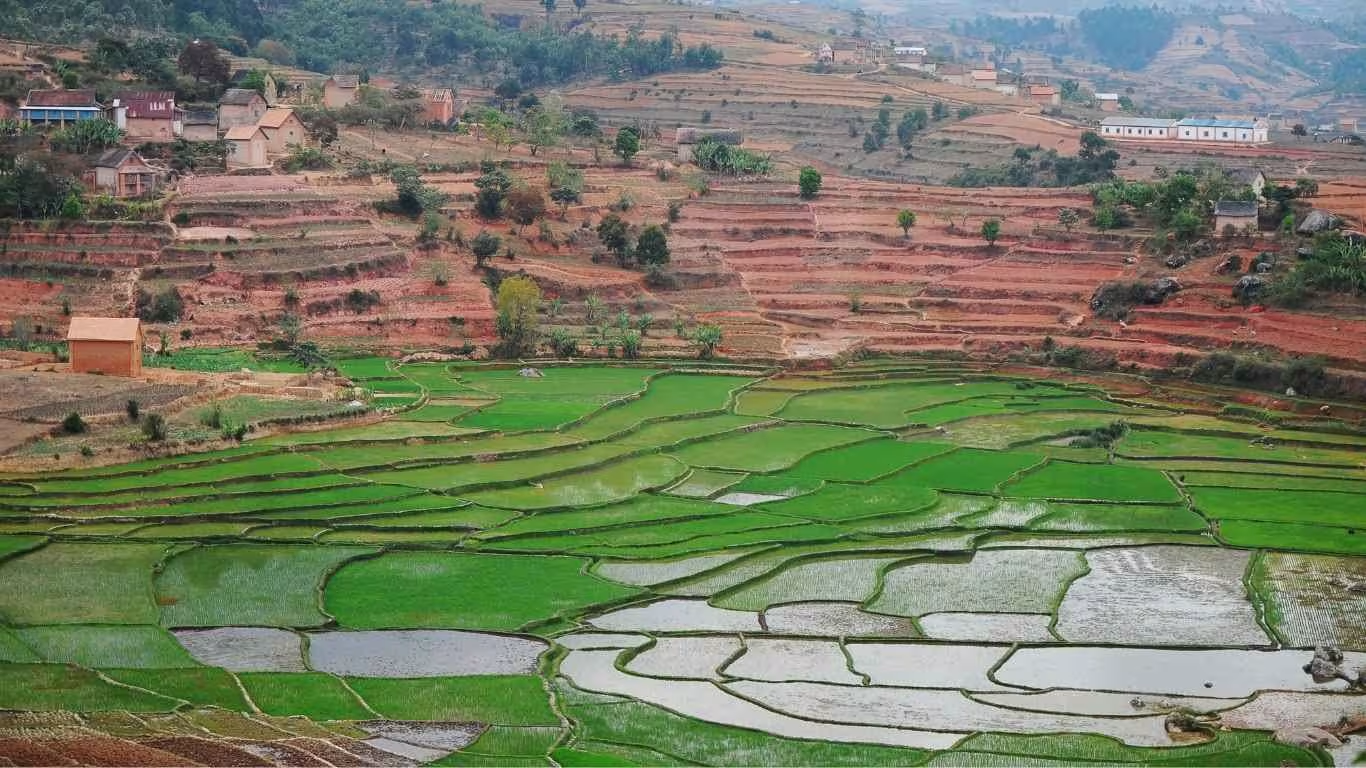
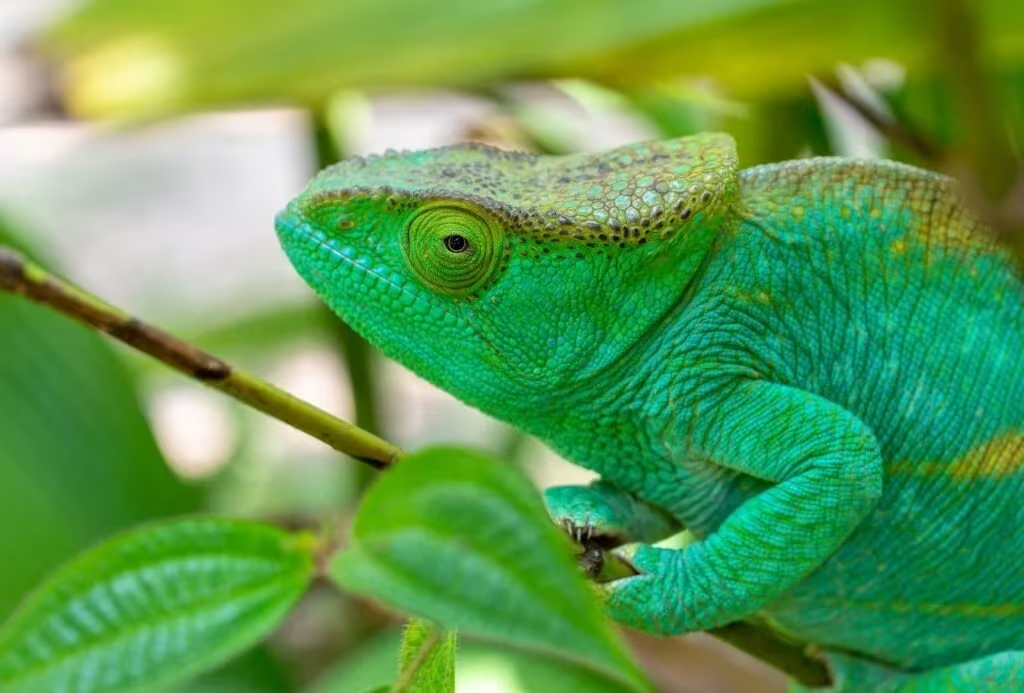
The austral summer brings heat, humidity and showers that are often brief but intense, especially in the late afternoon. The vegetation explodes, the rice paddies turn a vivid green, chameleons and frogs are everywhere, and prices drop. In return: some tracks become difficult, a few lodges close, and the cyclone risk affects the East and Northeast from January to March (see below).
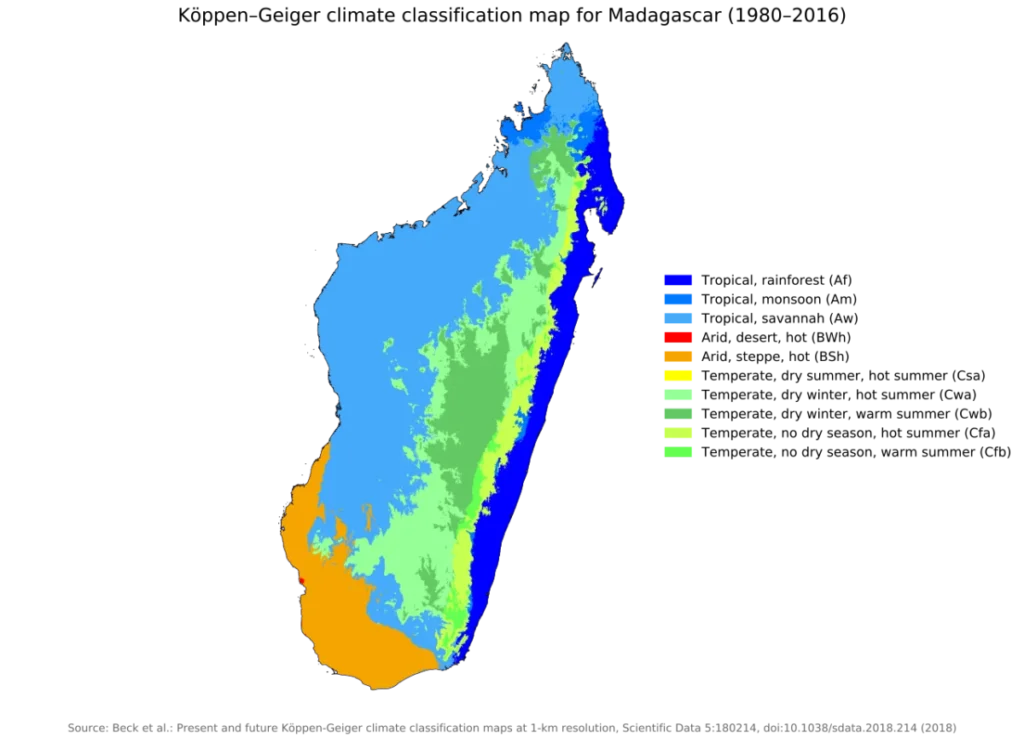
Why the climate varies so much from one region to another
Three factors explain the contrasts:
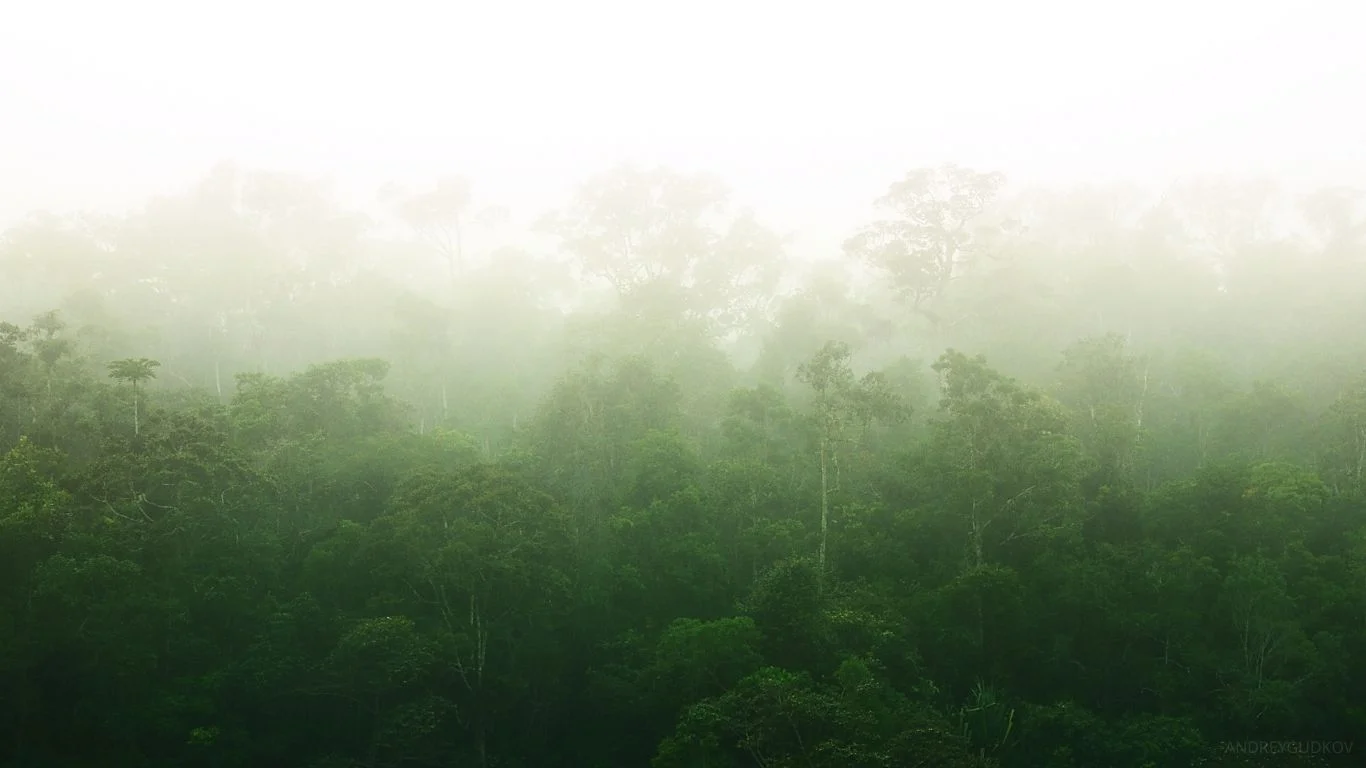
- The eastern side (Toamasina, Sainte-Marie, Maroantsetra) takes the moisture-laden trade winds off the Indian Ocean: it can rain there all year, even in the dry season, but briefly.
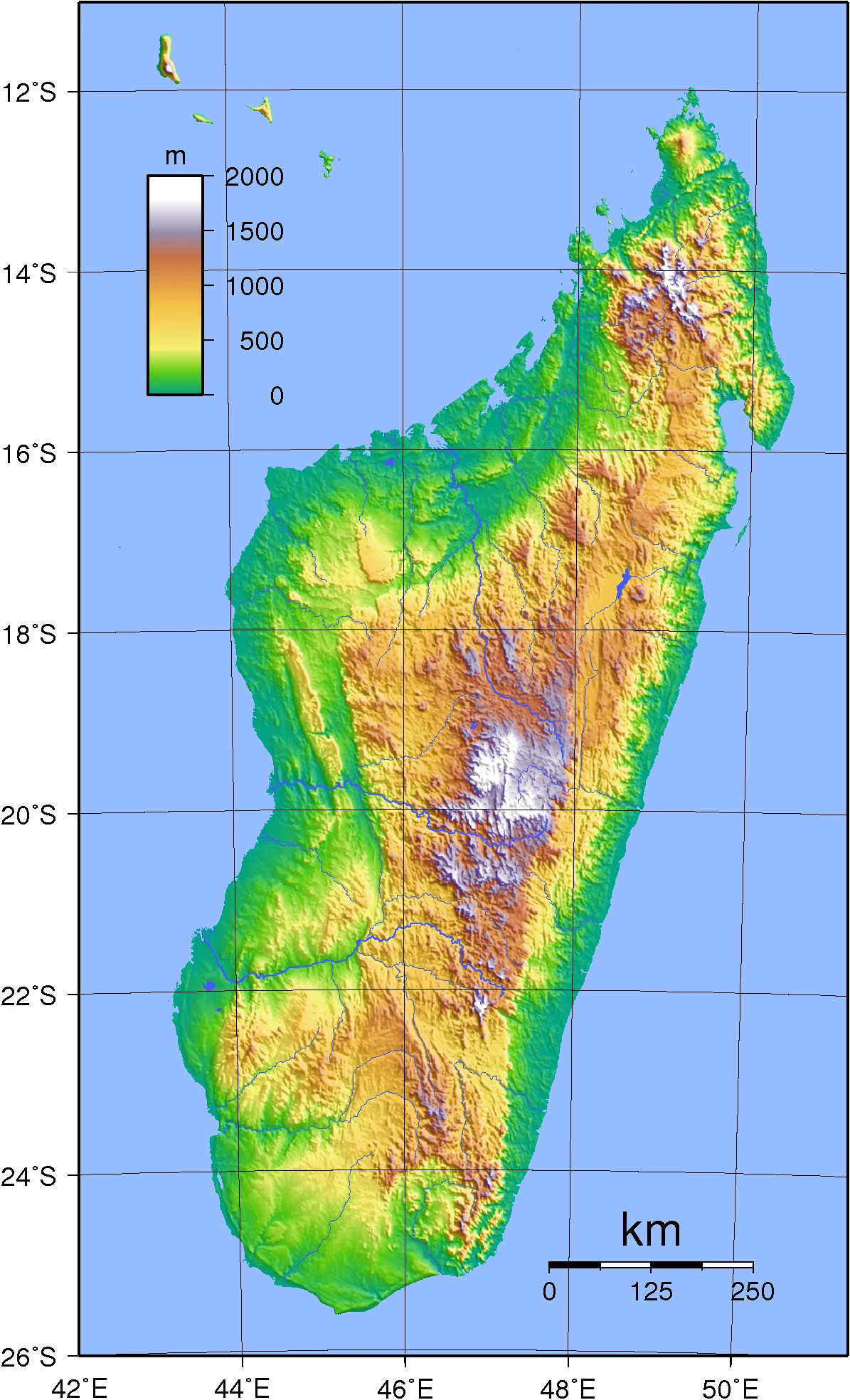
- The highlands (1,200 to 1,500 m in altitude) are cooler and drier; it’s altitude, not latitude, that makes the difference.
- The West and the Deep South are sheltered by the central relief: a dry, sunny climate, with a near-semi-arid South towards Toliara.
Madagascar’s weather month by month
Month | General climate | Coasts | Highlands | Our verdict |
|---|---|---|---|---|
January | Hot, rainy | Heavy showers, cyclone risk | Storms late in the day | Avoid unless on a tight budget |
February | The wettest | Cyclone peak in the East | Frequent rain | Not recommended |
March | Rains easing | Cyclone risk until late March | Gradually clearing | A tricky end of season |
April | Transition, green landscapes | Fine weather settling in | Mild, bright | Very good, few people |
May | Dry, pleasant | Ideal | Cool and clear | Excellent |
June | Dry, cool | Ideal; whales begin | Cold nights | Excellent |
July | Heart of the austral winter | Whales at Sainte-Marie | Cold nights, sunny days | Excellent but busy |
August | Dry, high season | Whales (peak) | Cool, dry | Excellent, book early |
September | Dry, mild, active wildlife | Ideal | Mild | The best month in our view |
October | Dry, warm, jacarandas | Ideal; diving at its best | Warm, in bloom | Excellent |
November | Rising heat, before the rains | Still dry in the North and West | Warm, storms possible | A very good shoulder season |
December | Rains returning | Showers, heavy heat | Daily storms | OK in the North, humid elsewhere |
The cyclone season in Madagascar
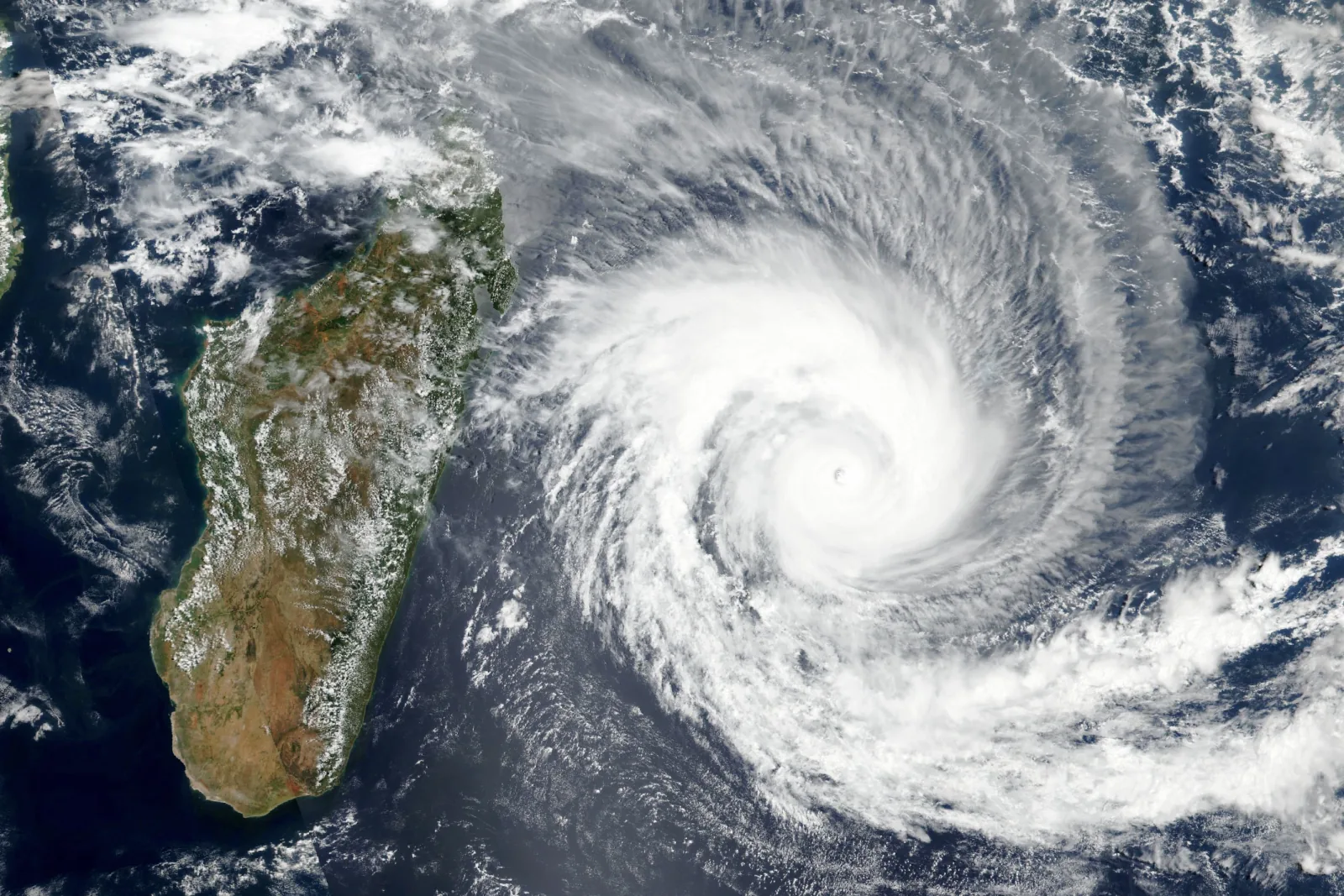
The cyclone season in the southwest Indian Ocean basin officially runs from November to April, with a very clear peak from January to March. It’s the main reason to shift a first trip outside this window.
Which months, which coasts
The systems form offshore, east of the island, and hit the east coast and northeast first: Toamasina, the Masoala peninsula, Sainte-Marie, the Sambava area. The West and the Deep South are far less exposed, but can get heavy rain when a system moves up the Mozambique Channel.
A few recent reference points: cyclone Batsirai formed on 24 January 2022 and crossed the island from east to west (Wikipedia, accessed 2026-09-01); Freddy made landfall on 21 February 2023 (WMO, accessed 2026-09-01); Gamane struck the northeast on 27 March 2024 (Al Jazeera, accessed 2026-09-01). All three fall right in the heart of the January-March window.
What we do in practice
We follow the Météo Madagascar bulletins as soon as a system is named. On a tour that goes through the East in January or February, we reverse the order of the stages: we start with the interior and the West, and only reach the coast once the system has passed. Sometimes it’s enough to shift the dates by two or three days. The RN5 road to the Sainte-Marie ferry pier is the most sensitive: heavy rain alone makes it difficult, a cyclone cuts it off.
Our reference point: over the last ten or so seasons, our departures hit by a cyclone alert all fell between mid-January and the end of March. None between April and December.
Insurance and flexibility
If you travel between December and March anyway, take out cancellation and trip-interruption insurance that explicitly covers bad weather, keep two or three buffer days at the end of the tour, and favour a West-South itinerary rather than an East one.
When to go by region
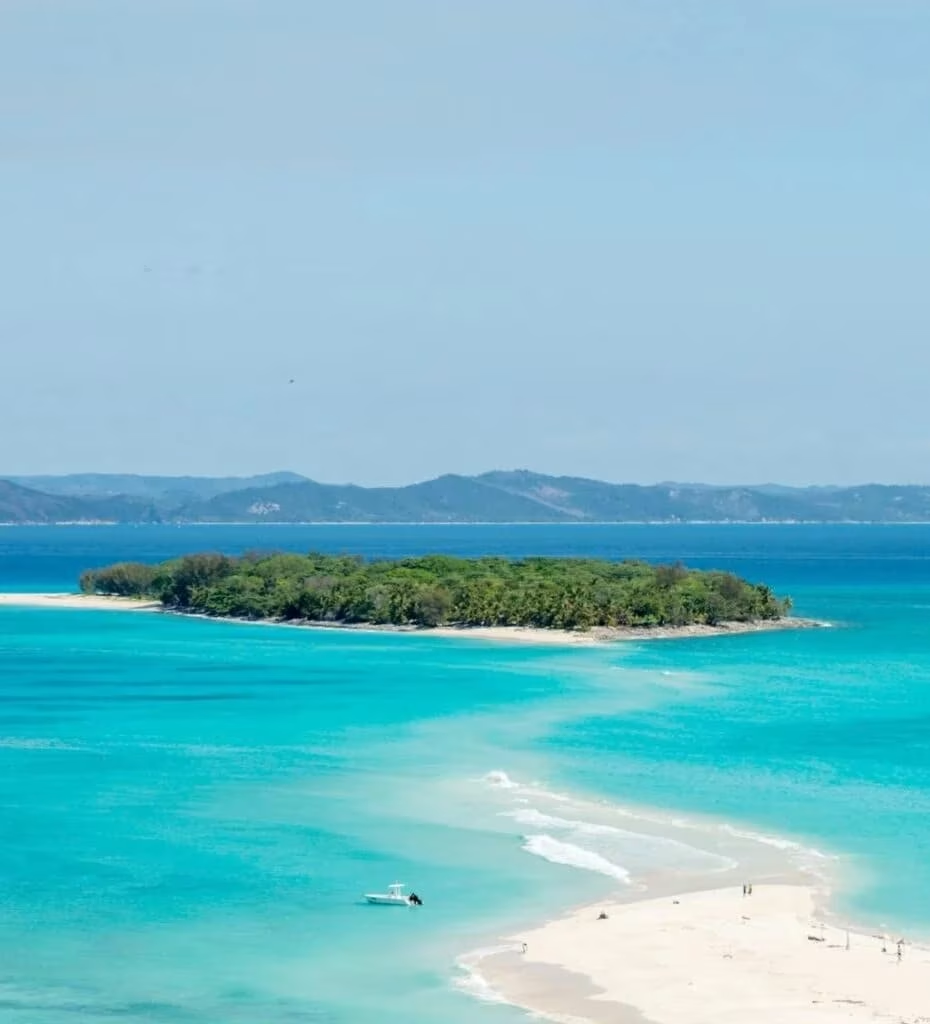
North and Nosy Be
Ideal window: April to November. Nosy Be is the sunniest region of the island, with a sea at 26-28 °C. Underwater visibility is best from October to December, when whale sharks pass offshore. February and March are the wettest months.
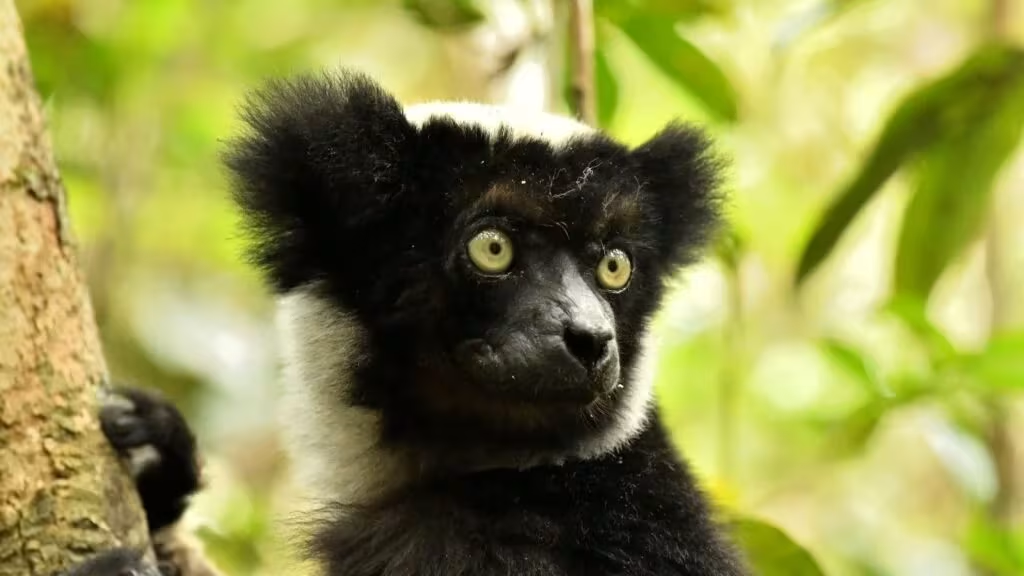
East, Andasibe and Sainte-Marie
Ideal window: April to December, outside cyclone alerts. The Andasibe rainforest can be visited year-round, and that’s where you hear the indri. The trails are simply more slippery from December to March. Sainte-Marie is superb from April to November; access via the RN5 and then the ferry takes half a day and gets complicated in the rain.
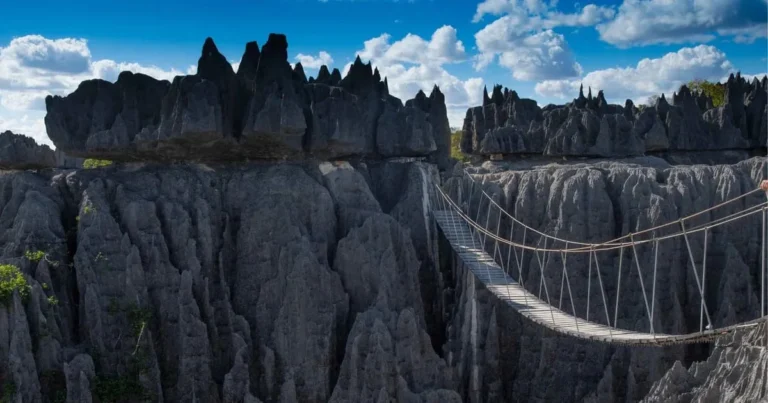
West, Tsingy de Bemaraha and Baobab Alley
Ideal window: June to November. The track linking Morondava to the Tsingy crosses two ferries and becomes impassable during the rainy season; the park is effectively unreachable from January to March. Baobab Alley itself can be photographed at sunrise and sunset all year, but the dry-season light is the crispest.
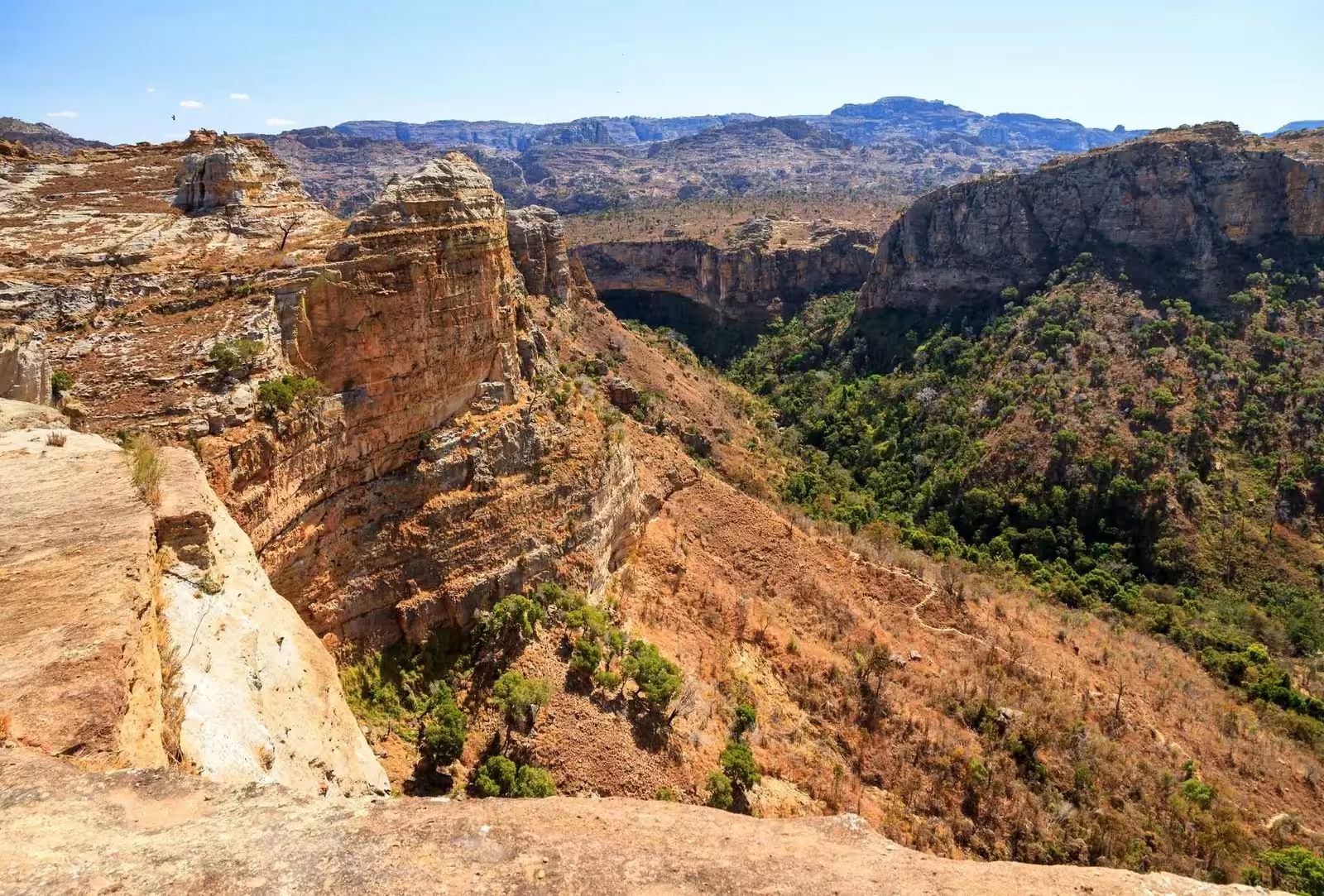
South, RN7 and Isalo
Ideal window: April to October. The RN7 between Antananarivo and Toliara is the country’s paved backbone: it’s driveable year-round. The Isalo massif is dry and bright in the austral winter; from November to March, the heat there becomes gruelling for hiking.
Highlands and Antananarivo
Ideal window: April to November. Pack a fleece: nights from June to August regularly drop below 10 °C in Antananarivo and Antsirabe. In October and November, the jacarandas in bloom turn the capital purple.
When to go by your trip project
Often, the date is chosen not on the weather but on what you want to experience.
You want to… | Best period | Where |
|---|---|---|
Watch humpback whales | July to September (peak in August) | Sainte-Marie Island, Bay of Antongil |
See newborn lemurs | September to November | Andasibe, Ranomafana, Berenty |
Hike (Isalo, Andringitra) | May to September | Deep South, Andringitra massif |
Dive and snorkel | October to December | Nosy Be, Nosy Tanikely |
Avoid crowds and pay less | April, May, November | The whole island |
Photograph green landscapes | March to April | Highlands, rice paddies |
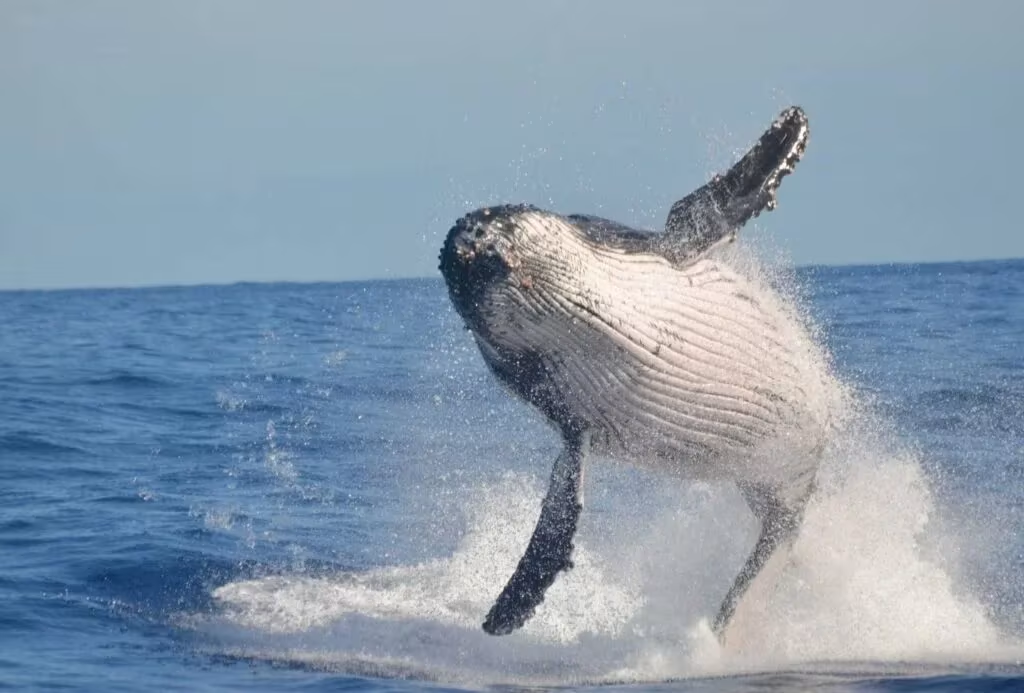
Every year, humpback whales migrate from Antarctica to the Sainte-Marie channel to breed and calve. Cétamada is the marine-mammal conservation association based in Sainte-Marie. It runs daily whale-watching outings from 1 July to the end of September and sets the approach code: a minimum distance of 100 m, 30 minutes maximum, three boats per group (Cétamada, accessed 2026-09-01). August is the most reliable month for trips out to sea. June and September are quieter.
For example, a couple coming mainly for the whales will leave in early August and finish with a few days on Nosy Be; a family aiming for lemurs and landscapes will rather choose late September or October.
High season, low season and travelling against the grain
July and August are the busiest months: European school holidays, clear skies, whales. The most sought-after lodges (Andasibe, Isalo, Sainte-Marie) are fully booked several months ahead and airfares climb. The second peak is around the end-of-year holidays.
Conversely, April-May and October-November are excellent shoulder seasons: weather still or already dry, quieter parks, gentler flight and accommodation prices. It’s the window we recommend to anyone who wants calm without sacrificing the climate.

What to pack by season
- Year-round: light cotton or linen clothing, walking shoes, insect repellent, sun protection, a headlamp for night walks.
- Dry season (April-October), highlands: a fleece, a windbreaker, a light beanie for the nights and early mornings in the 4×4.
- Rainy season (November-March): a light waterproof jacket, a dry bag for electronics, sandals that dry quickly.
- East coast in any season: a compact poncho – a shower can fall even in the depths of the austral winter.
An itinerary built in the right order
At Lemur Safari, we design every tour bespoke from Toamasina. Tell us what you want to see — the lemurs, the whales, the Tsingy, a beach to finish — and the period that suits you: we build the itinerary in the right order, with the right margin, and we adjust it if the weather demands, before and during the trip.
FAQ
What to take away
- Aim for April-October for a first trip; April, May, September, October if you can choose.
- Avoid January-March on the east coast because of cyclones; the West and the South remain feasible with care.
- Let the trip project — whales, lemurs, hiking, diving — fine-tune the exact month.
- Whatever the season, a well-ordered itinerary and a safety margin change everything.
Ready to set your dates? Discover our Madagascar tour ideas or tell us about your project.

Leo
Travel Designer · Lemur Safari
He designs tailor-made tours across Madagascar. Every year, he coordinates departure dates around seasonal weather and road conditions in direct consultation with local guides, seamlessly adapting itineraries whenever a cyclone system is forecast.
Let’s talk about your trip
Tell us what you want to see and when you’re free: we set the dates and the order of the stages with you, with the right weather margin.
Request a Free Quote
Response within 24h · No obligation