
The Indri indri The World’s Largest Living Lemur
Babakoto, the legendary ancestor: the only lemur on Earth that sings, now critically endangered.
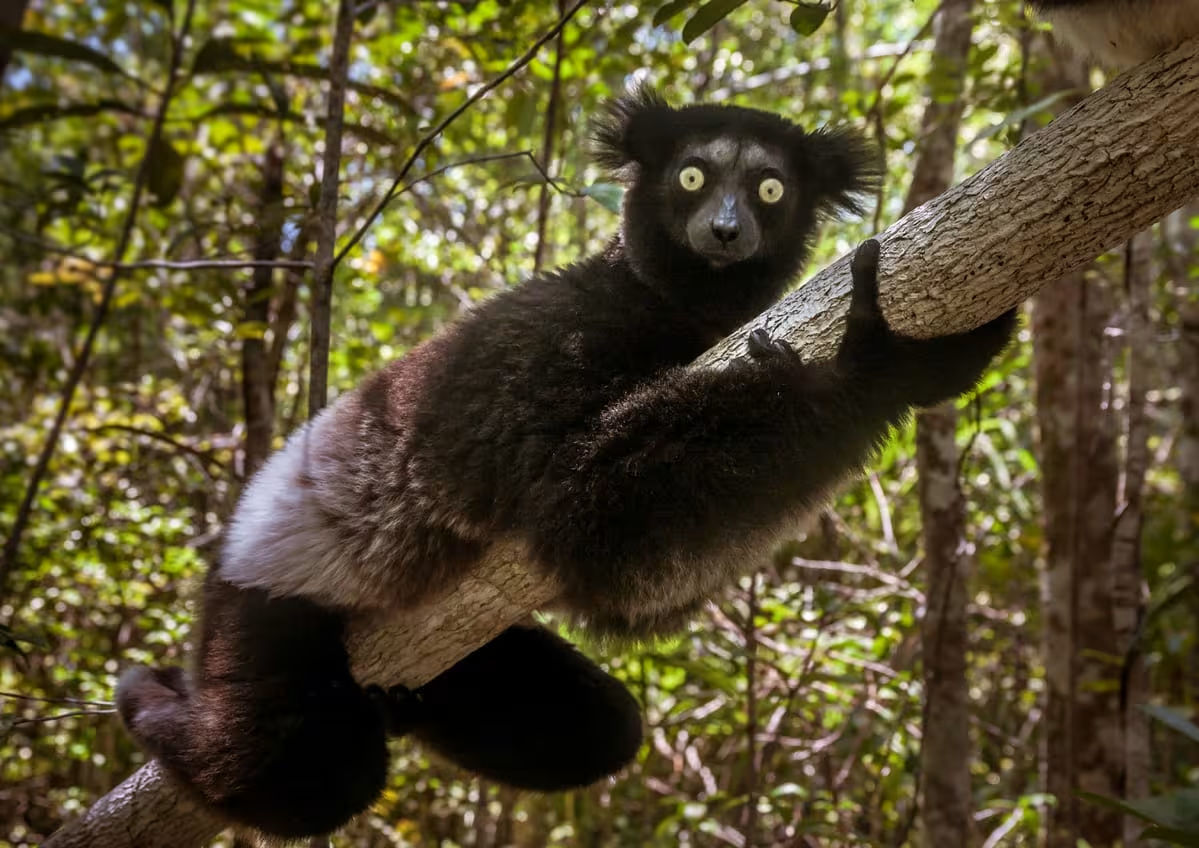
Short answer: the Indri is the largest living lemur in the world, with a body length of 64 to 72 cm and a weight of up to 9.5 kg. It’s also the only lemur, and one of the only primates on Earth, that communicates through song rather than simple calls. You can spot it almost year-round in the Analamazaotra Reserve, at the heart of Andasibe-Mantadia National Park. It’s a critically endangered species: every sighting matters.
Who Is the Indri indri?
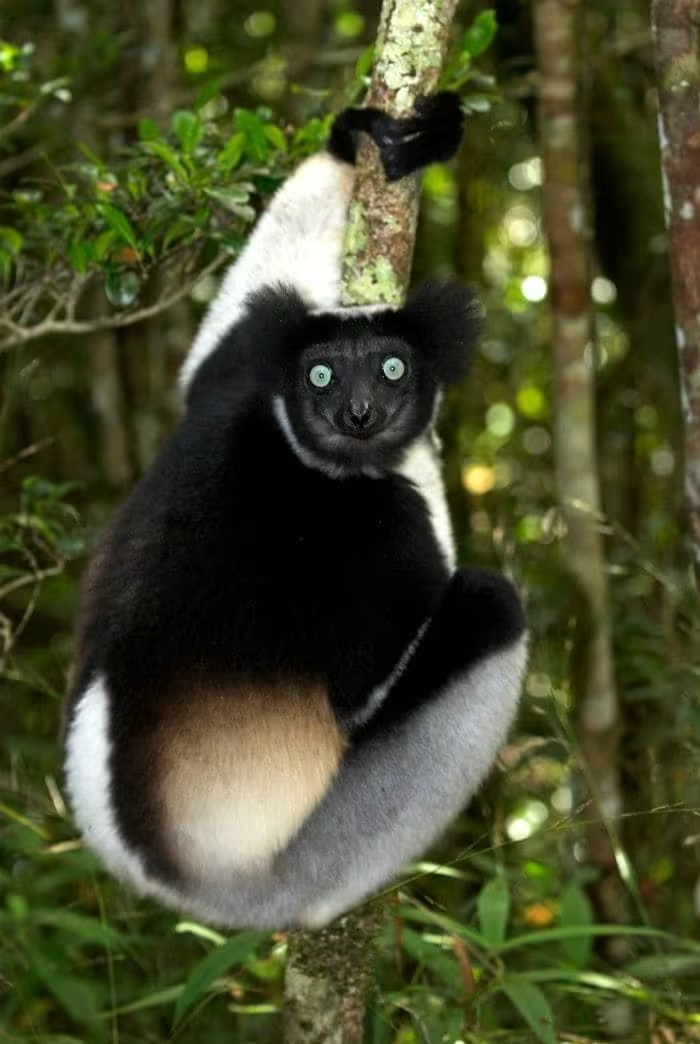
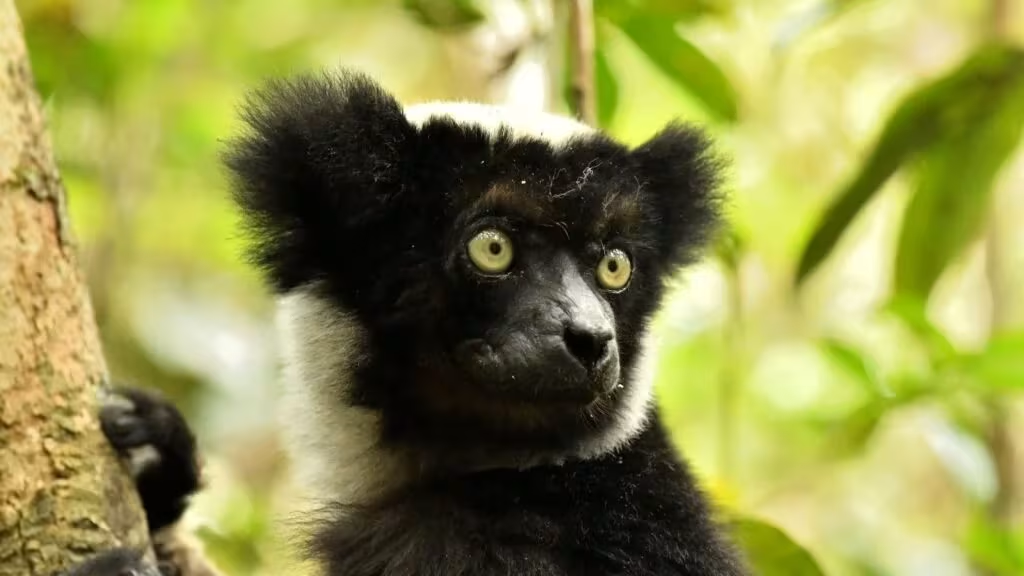
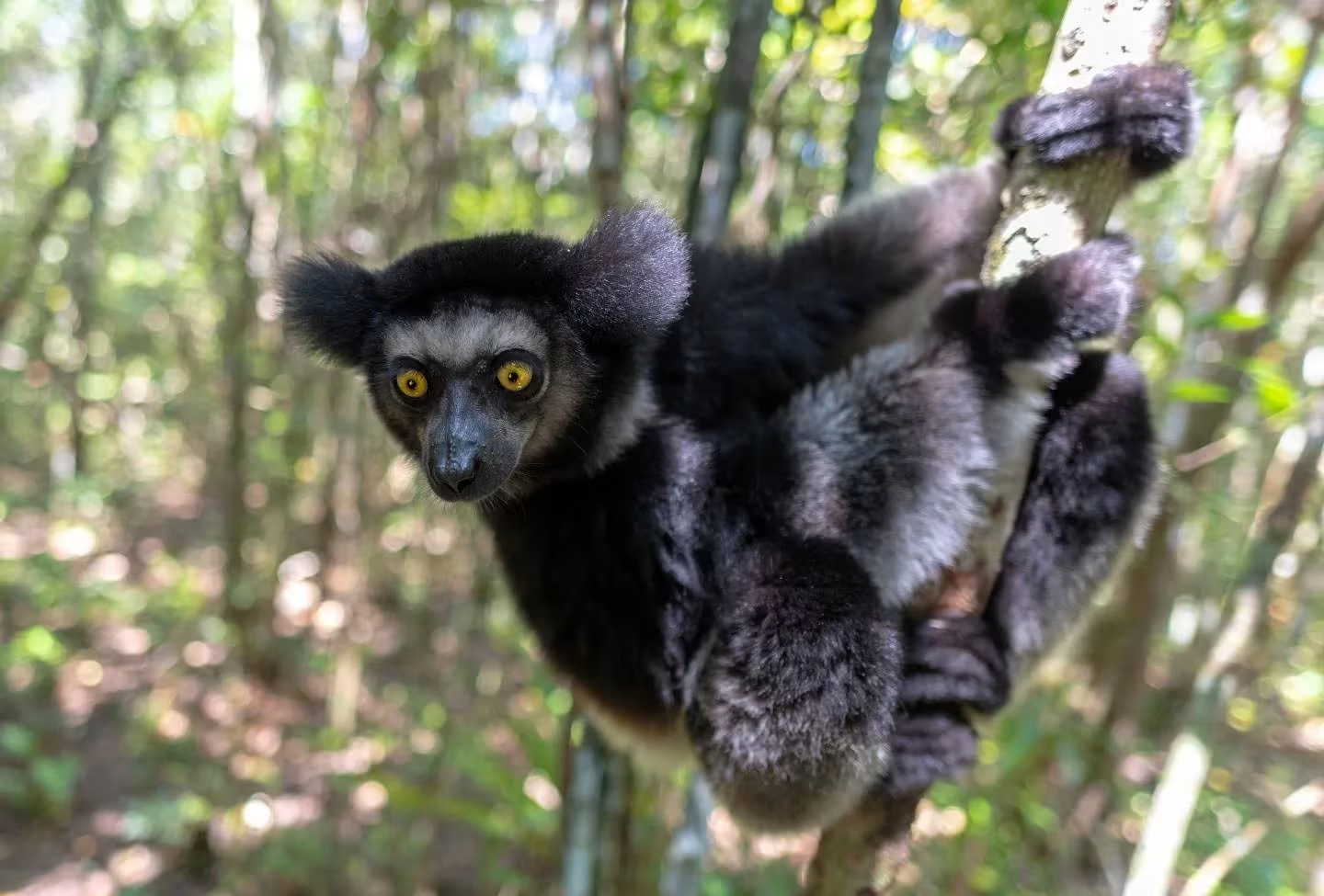
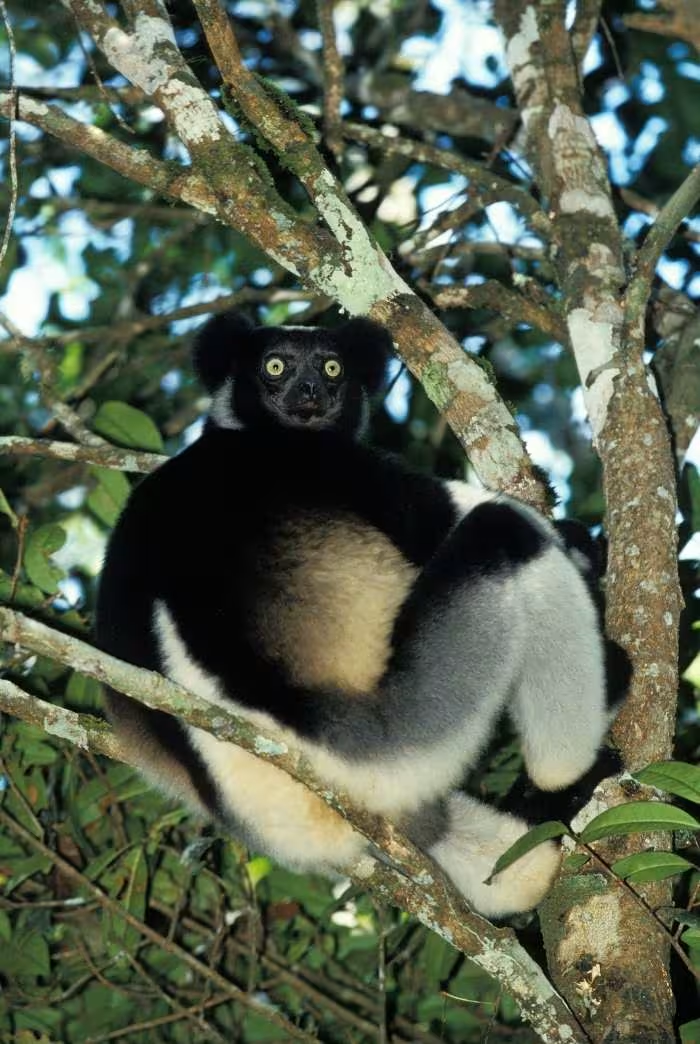
Malagasy people call it Babakoto. With its black-and-white coat, its near-absent tail (unique among lemurs, almost all of which have long tails), and its upright posture in the trees, the Indri indri looks unlike any other primate on the island. It lives exclusively in the humid rainforests of eastern Madagascar, in small family groups, and feeds mainly on leaves.
Its size surprises most first-time visitors: many expect something closer to the ring-tailed lemur (the better-known one), and instead find a far larger creature, capable of leaps of more than 10 meters between trees.
The Indri indri’s Song: a Lemur That Sings
This is what makes it unique in the animal kingdom: the Indri indri is the only lemur, and one of very few primates, that sings rather than simply calls or grunts to communicate. Its song can last up to three minutes and carry more than a mile through the forest, thanks to a laryngeal air sac it inflates to amplify the sound.
These songs mark the family group’s territory and communicate with neighboring groups, not unlike how humpback whales use song at sea. Hearing a group of Indri indri sing at dawn in the mist of the Andasibe forest is, without exaggeration, one of the most striking moments you can experience in Madagascar.
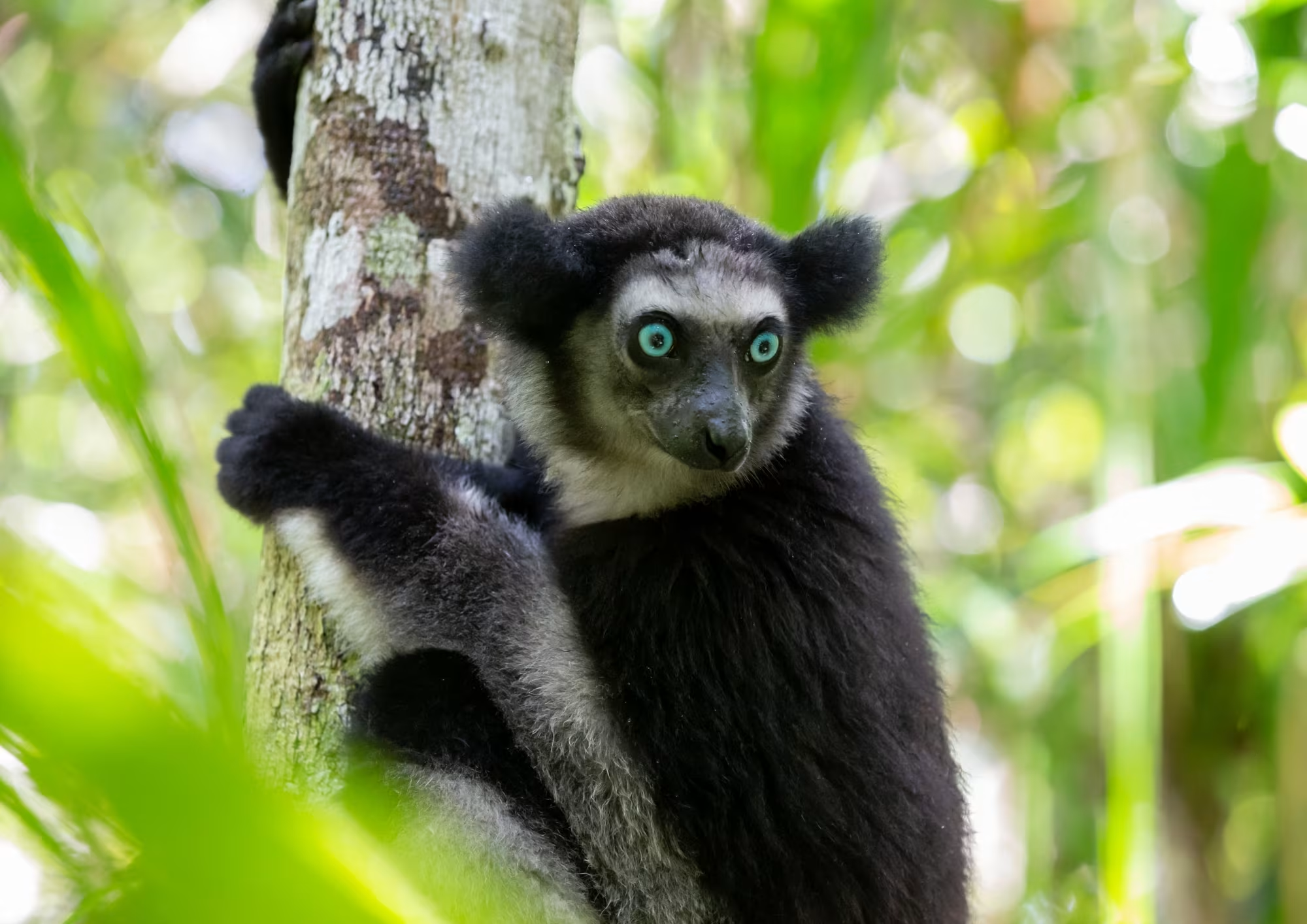
Babakoto, the Ancestor of Man
The name “Babakoto” roughly translates as “father of Rakoto” or “ancestor.” Several Malagasy legends describe a shared origin between the Indri indri and human beings.
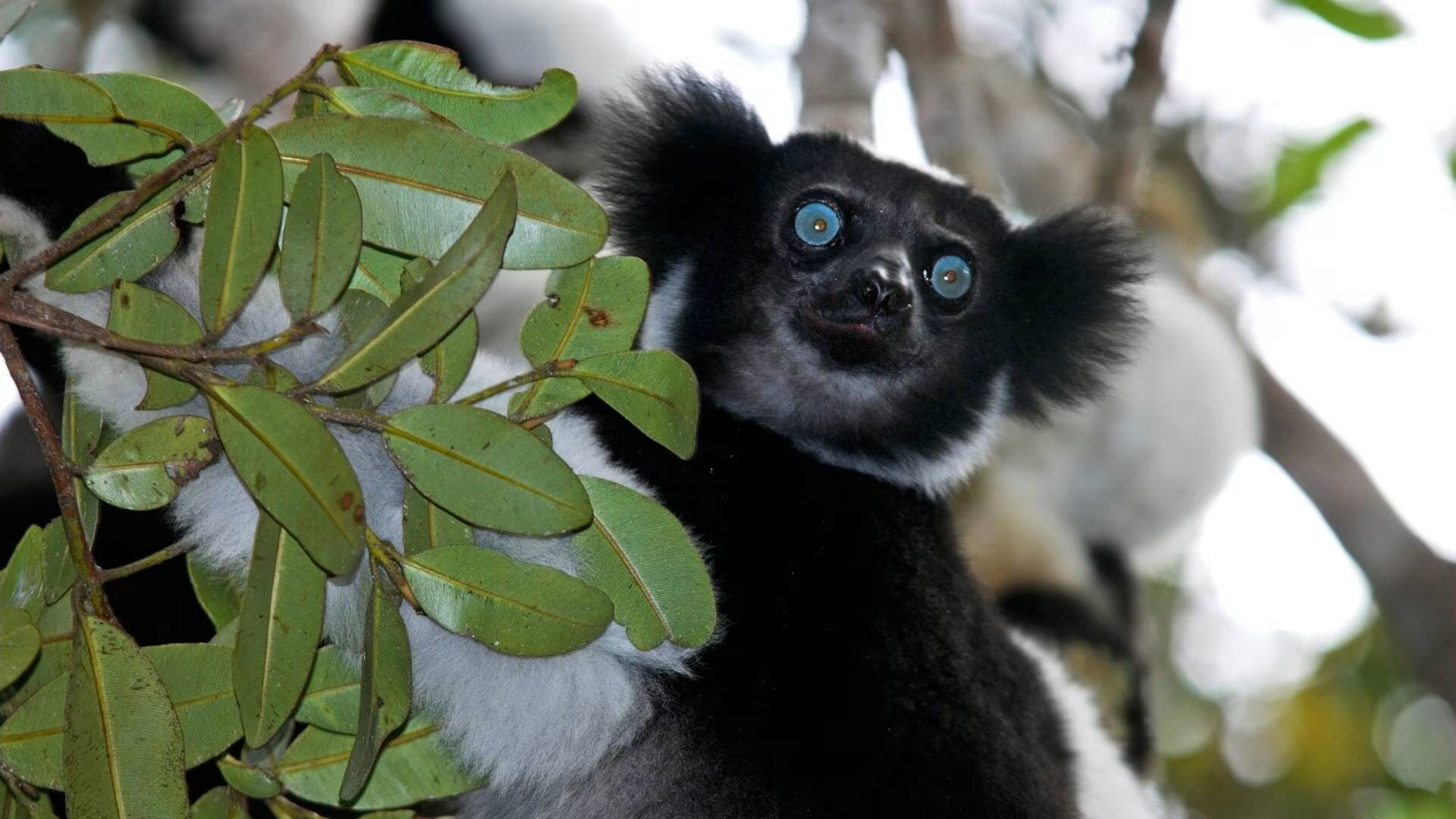
“A man who went hunting in the forest never returned. His son, searching for him, disappeared too. Villagers exploring the forest found only two large lemurs sitting in the trees: father and son had transformed into Indri indri.”
This legendary kinship with humans is the origin of a traditional fady (taboo) in several regions of eastern Madagascar: hunting or harming an Indri indri is considered a sacred prohibition there, not unlike harming a member of one’s own family. That’s one of the reasons, alongside the national park’s protection, why the Andasibe groups are habituated to human presence without being threatened by it.
Family Structure and Territory
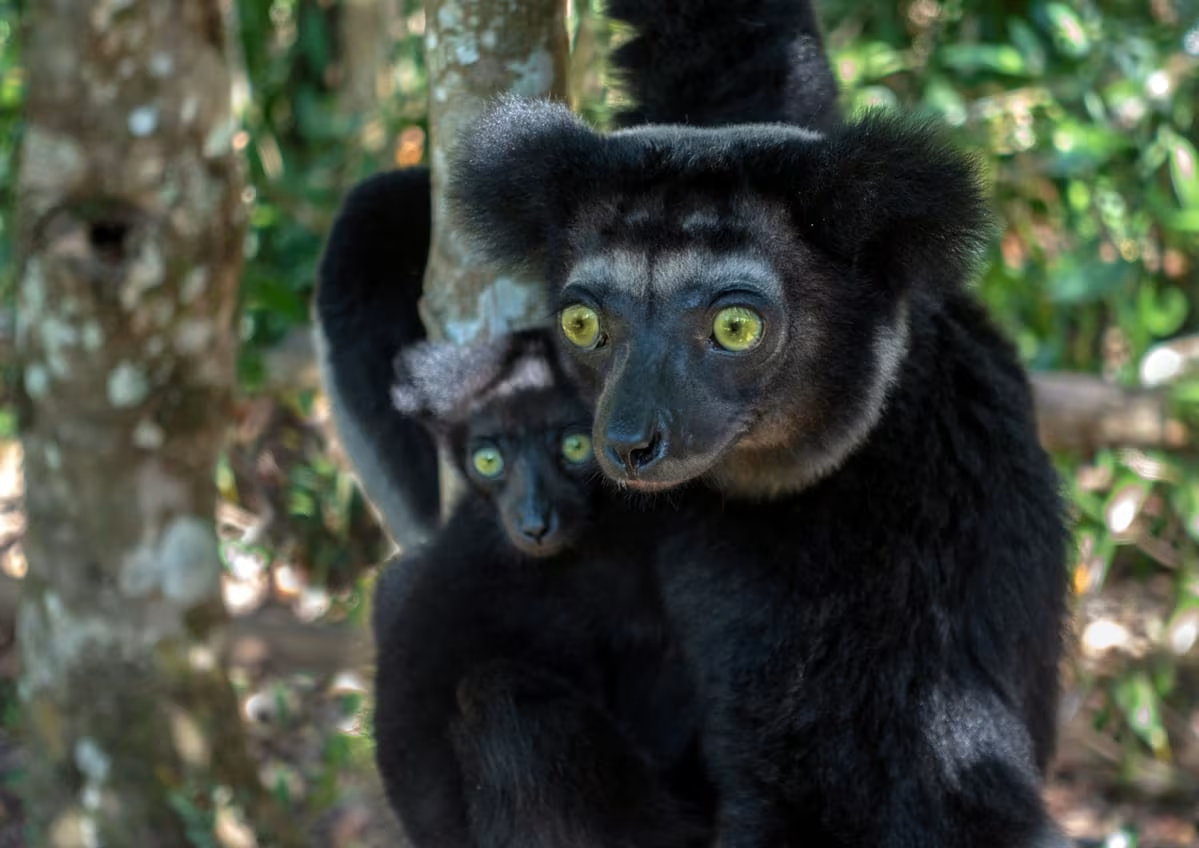
Despite its size, the Indri indri lives in small family groups of 2 to 6 individuals (3 on average): a mated pair, bonded for life, along with their offspring. Notably, females dominate the group, they decide where to forage and where to spend the night.
Each group defends a modest territory, around 0.27 km² on average, which it advertises to its neighbors through morning songs. It’s a kind of territorial duet that neighboring groups answer in turn, and it can build into a full chorus that echoes across the valley.
Other Lemurs You Might See in the Same Spot
The Indri indri isn’t the only star of the Analamazaotra Reserve. On the same half-day walk, it’s common to spot:
- The diademed sifaka (Propithecus diadema): successfully reintroduced, and now easy to see near the same habituated Indri indri groups
- The eastern woolly lemur (Avahi laniger): nocturnal and more discreet, but present in the same forest
- The common brown lemur (Eulemur fulvus) and the gray bamboo lemur
- Several smaller nocturnal species (mouse lemurs, sportive lemurs), best seen on an evening walk
That’s what makes Andasibe so special: in a single visit, you can encounter both the largest lemur in the world and some of the smallest primates on the planet.
A Critically Endangered Species
The Indri indri is classified as Critically Endangered on the IUCN Red List. The total population is estimated at between 1,000 and 10,000 individuals, declining and severely fragmented across the eastern forests.
Two factors make its situation particularly precarious. First, deforestation and habitat fragmentation, which isolate family groups from one another and shrink their foraging territory. Second, an extremely slow reproductive rate: Indris don’t reach sexual maturity until 7 to 9 years of age, and females give birth only once every 2 to 3 years. Even with effective protection, the population takes decades to recover.
This is also why responsible wildlife tourism, through protected reserves like Analamazaotra rather than unregulated visits, plays a concrete role in preserving the species: it directly funds park protection and pays local guides and forest rangers.
Where and When to See the Indri indri at Andasibe
The Analamazaotra Reserve, within Andasibe-Mantadia National Park (155 km², about 150 km east of Antananarivo), is home to several Indri indri groups habituated to local guides. Sightings here are nearly guaranteed year-round, a fairly rare thing for Malagasy wildlife, where many species require patience and a bit of luck.
The best time of day is early morning, when groups start singing to mark their territory. It’s both the most spectacular moment and the easiest time to locate a group, thanks to a song that carries far.
Our East Madagascar — Andasibe & Palmarium tour (7 days) is built specifically around this encounter, with a local guide who knows the reserve’s family groups. It pairs daytime Indri indri viewing with a dedicated night safari for the Aye-Aye, another equally singular lemur.
FAQ

Léo Travel Designer · Lemur Safari
Léo designs custom tours across Madagascar, including ones built around meeting the Indri indri at Andasibe. He works closely with Ismail, our field guide, to keep every itinerary true to what travelers actually see on the ground.
Meet the Indri indri at Andasibe
A local guide who knows the reserve’s family groups, for a respectful and nearly guaranteed sighting.
Request a Free Quote
Response within 24h · No obligation